-

-
 Whatsapp:+86 17732187393
 -


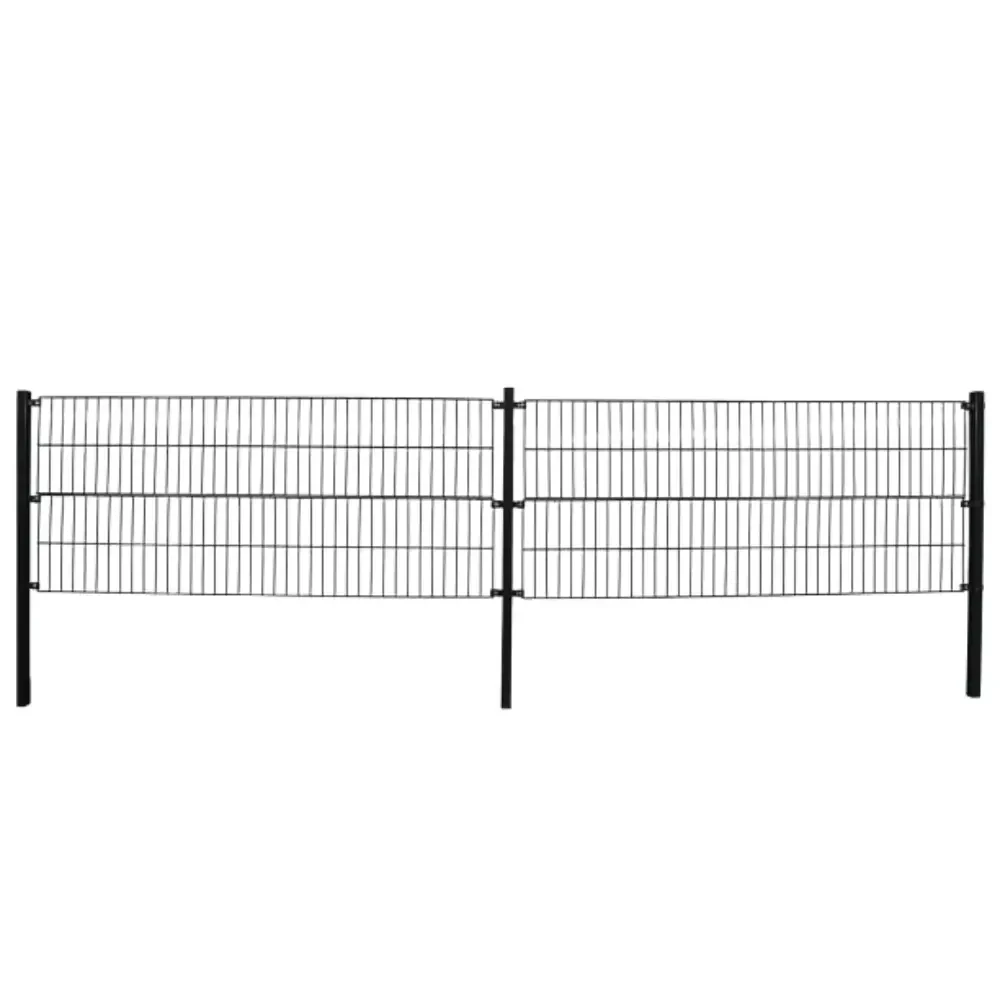
Comprehensive Guide to Metal Garden Fence Panels Chicken Wire Selection and Installation
Choosing the Right Metal Garden Fence Panels Chicken Wire for Your Needs
Selecting the perfect metal garden fence panels chicken wire can transform your property, providing security, aesthetics, and functionality. Whether you’re protecting livestock, creating a decorative garden boundary, or reinforcing your existing fencing, understanding the different options available is crucial. This guide will cover everything from materials and sizes to installation tips, helping you make an informed decision. We'll explore the benefits of using quality fencing solutions for long-lasting results.
Understanding Different Types of Metal Garden Fence Panels Chicken Wire
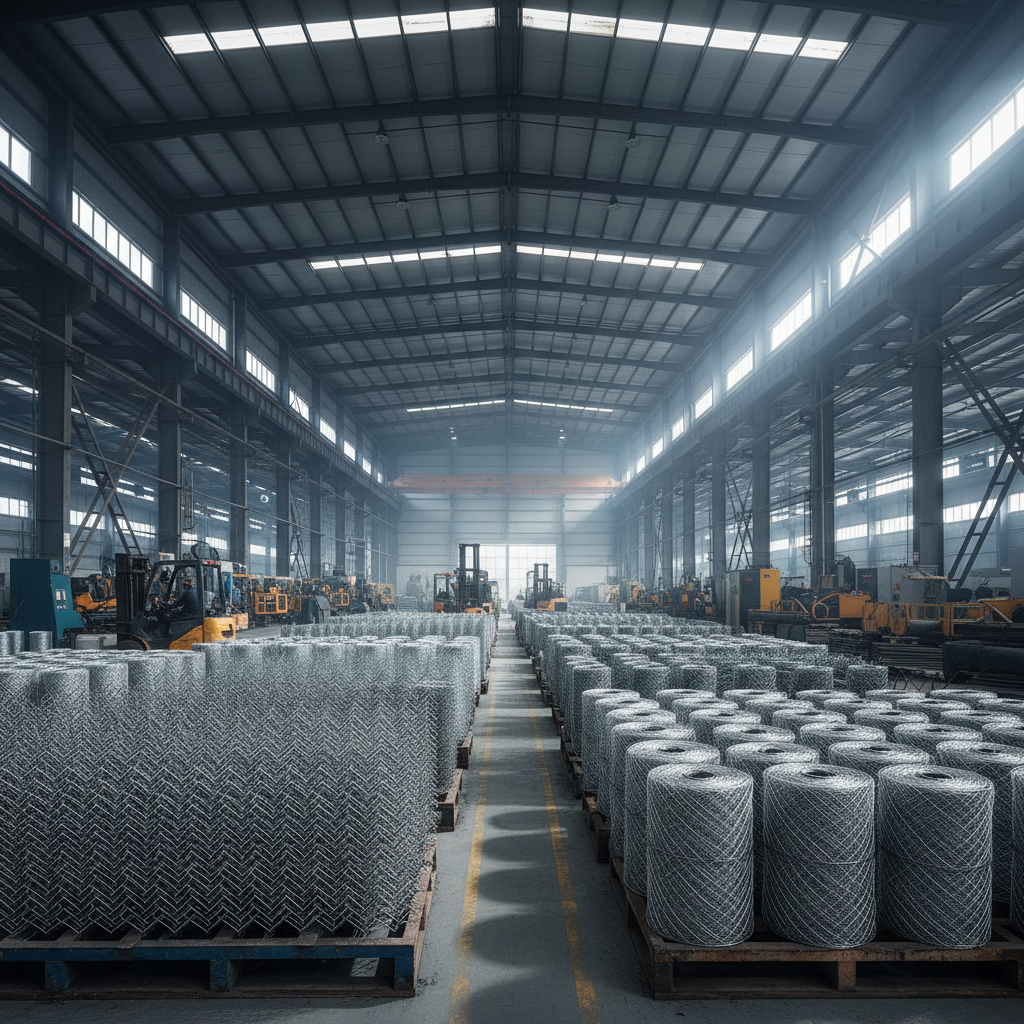
Metal garden fence panels chicken wire aren't a one-size-fits-all solution. Different materials offer varying levels of durability, cost, and aesthetic appeal. Galvanized steel is a popular choice due to its resistance to rust and corrosion, making it ideal for outdoor use. Stainless steel offers even greater longevity but comes at a higher price point. Aluminum is lightweight and won't rust, but it's less strong than steel. Finally, vinyl-coated chicken wire provides a colorful and corrosion-resistant option, often preferred for garden borders and poultry pens. Choosing the right material depends on your specific needs and budget. Visit PeilingTech to explore our wide range of options.
Key Highlights: Choosing the right material – galvanized steel, stainless steel, aluminum, or vinyl-coated – depends on durability, cost, and aesthetic preferences.
Key Considerations When Selecting Chicken Wire
Beyond the material, several factors influence your selection. Mesh size is critical; smaller mesh is ideal for containing smaller animals like chickens, while larger mesh is suitable for larger livestock or garden barriers. Wire gauge (thickness) determines the strength of the wire; a lower gauge number indicates a thicker, stronger wire. Roll height and length are also important – measure your area accurately to avoid unnecessary waste or shortages. Consider the terrain – uneven ground may require more robust fencing and careful installation. Don’t forget about gate options and hardware for secure closures.
Essential Factors to Consider:
• Mesh Size: Smaller for small animals, larger for bigger animals or garden barriers.
• Wire Gauge: Lower number equals thicker, stronger wire.
• Roll Dimensions: Accurate measurement is key to avoid waste.
• Terrain: Uneven ground requires stronger fencing and careful installation.
Metal Garden Fence Panels Chicken Wire Comparison
Choosing the correct chicken wire depends on your application. Here’s a comparison of common types to help you decide. At PeilingTech, we can help you navigate these choices and select the best solution for your needs.
Installation Tips for Metal Garden Fence Panels Chicken Wire
Proper installation is key to a long-lasting fence. Start by marking the fence line and setting posts at regular intervals. Use sturdy posts, treated for ground contact, for optimal support. Secure the chicken wire to the posts using staples, clips, or wire ties. Ensure the wire is taut to prevent sagging. Consider adding a bottom rail for extra stability. For gates, use appropriate hardware to ensure secure opening and closing. If you’re unsure about any aspect of the installation process, consulting a professional is always a good idea.
Product Specifications – PeilingTech Chicken Wire
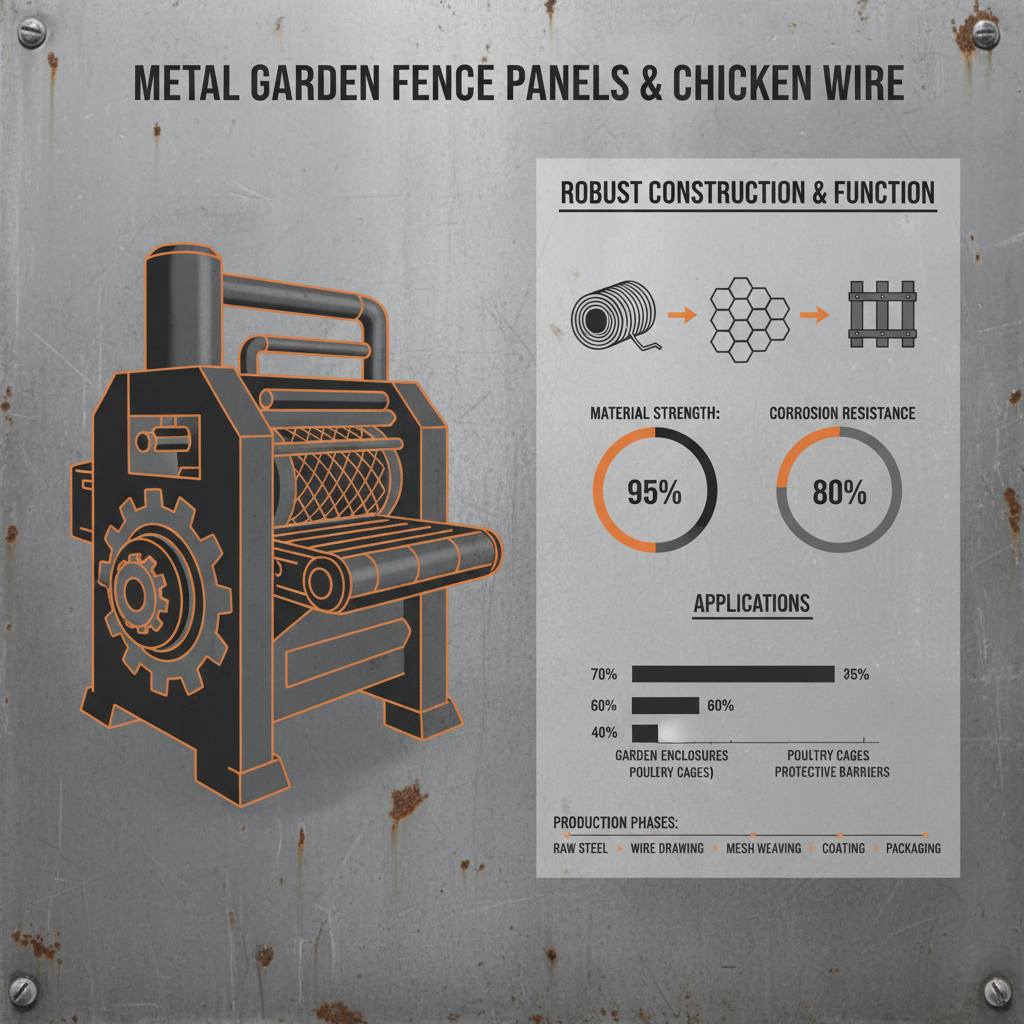
At PeilingTech, we offer a variety of metal garden fence panels chicken wire to meet your specific requirements. Here's a look at some of our standard specifications:
Conclusion: Secure Your Property with Quality Fencing
Investing in high-quality metal garden fence panels chicken wire from PeilingTech provides peace of mind, security, and enhances the aesthetics of your property. With a wide range of options and expert advice, we can help you find the perfect fencing solution for your needs. Don’t compromise on quality – choose PeilingTech for reliable and durable fencing solutions.
Frequently Asked Questions (FAQs)
What is the best wire gauge for keeping chickens safe from predators?
For protecting chickens from predators like foxes, raccoons, and dogs, a 19 or 20 gauge galvanized steel chicken wire is generally recommended. The thicker wire provides better resistance to tearing and digging. Smaller mesh sizes (1/2 inch) are crucial to prevent predators from reaching through and harming your chickens. Using a hardware cloth with even smaller openings can offer additional security. Consider burying the wire at least 6 inches deep with an outward-facing apron to deter digging predators. PeilingTech offers a range of gauges and mesh sizes to meet your specific needs.
How long will galvanized steel chicken wire last?
The lifespan of galvanized steel chicken wire depends on environmental factors like humidity, soil acidity, and exposure to salt. In most climates, you can expect galvanized steel to last 10-20 years with proper installation and maintenance. However, in coastal areas or areas with highly acidic soil, the lifespan may be shorter. Regular inspection for rust and corrosion is recommended. Applying a protective coating or sealant can extend the lifespan of the wire.
Can chicken wire be used for garden fencing to deter rabbits?
Yes, chicken wire can be effective for deterring rabbits from entering your garden. However, it's important to use a small mesh size (1/2 inch) and bury the wire at least 6 inches deep to prevent rabbits from digging underneath. You may also need to create a small "L" shaped apron extending outwards from the buried wire to further discourage digging. Additionally, ensure the fence is tall enough (at least 2-3 feet) to prevent rabbits from jumping over it.
What tools are needed to install chicken wire fencing?
You'll need a few essential tools for installing chicken wire fencing. These include: wire cutters, staples and a stapler (or fencing clips and pliers), a post hole digger, a measuring tape, a level, and gloves. A tensioning tool can be helpful for ensuring the wire is taut. Safety glasses are also recommended to protect your eyes from wire debris. Depending on the terrain, you may also need a hammer or sledgehammer to drive in the posts.
-
Complete Guide to Choosing a Durable 4 foot wire fence rollNewsApr.16,2026
-
Guide to Choosing the Best Square Wire Fencing Roll for SecurityNewsApr.16,2026
-
High Quality Steel Welded Wire Rolled Fencing for Secure BoundariesNewsApr.16,2026
-
High Quality Black Fence Roll for Secure and Discreet PerimeterNewsApr.16,2026
-
Ultimate Guide to Temporary Fence Roll for Site Security and SafetyNewsApr.16,2026
-
High Quality Garden Mesh Roll Guide for Protecting Green SpaceNewsApr.09,2026