-

-
 Whatsapp:+86 17732187393
 -


Comprehensive Guide to Welded Fencing Panels for Security and Property Protection
Understanding Welded Fencing Panels: A Comprehensive Guide
Welded fencing panels have become a staple in modern perimeter security and property demarcation. Known for their robustness, ease of installation, and cost-effectiveness, they offer a compelling alternative to traditional fencing methods. This article will explore the various aspects of welded fencing panels, including their construction, applications, benefits, and considerations for choosing the right panel for your needs. We'll delve into the details that make these panels a superior choice for residential, commercial, and industrial applications.
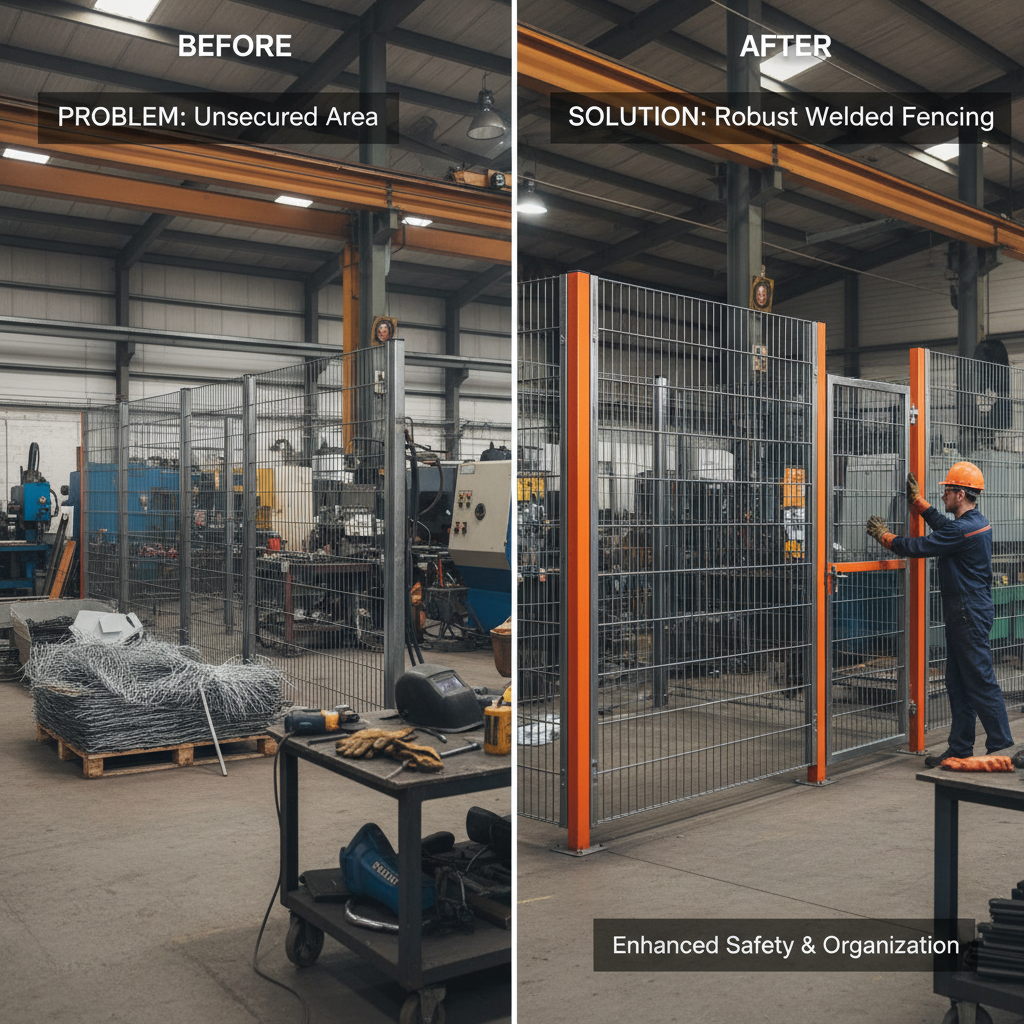
The Construction and Manufacturing of Welded Fencing Panels
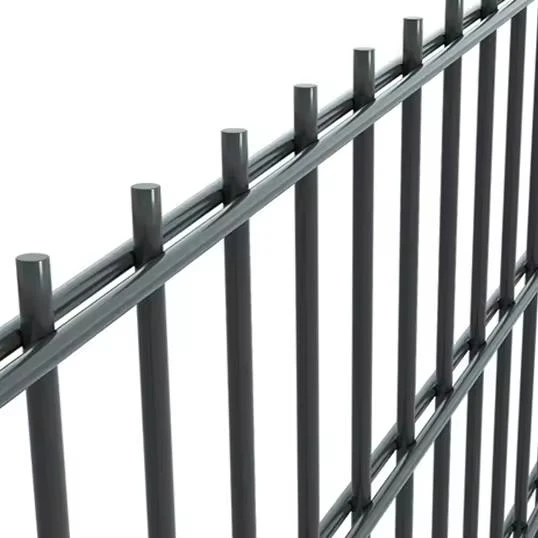
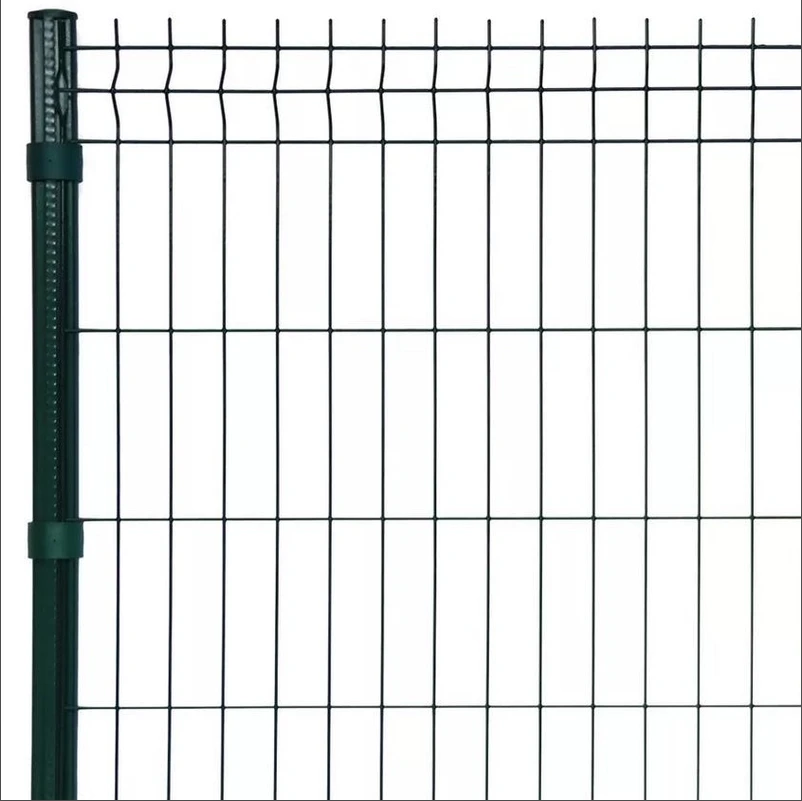
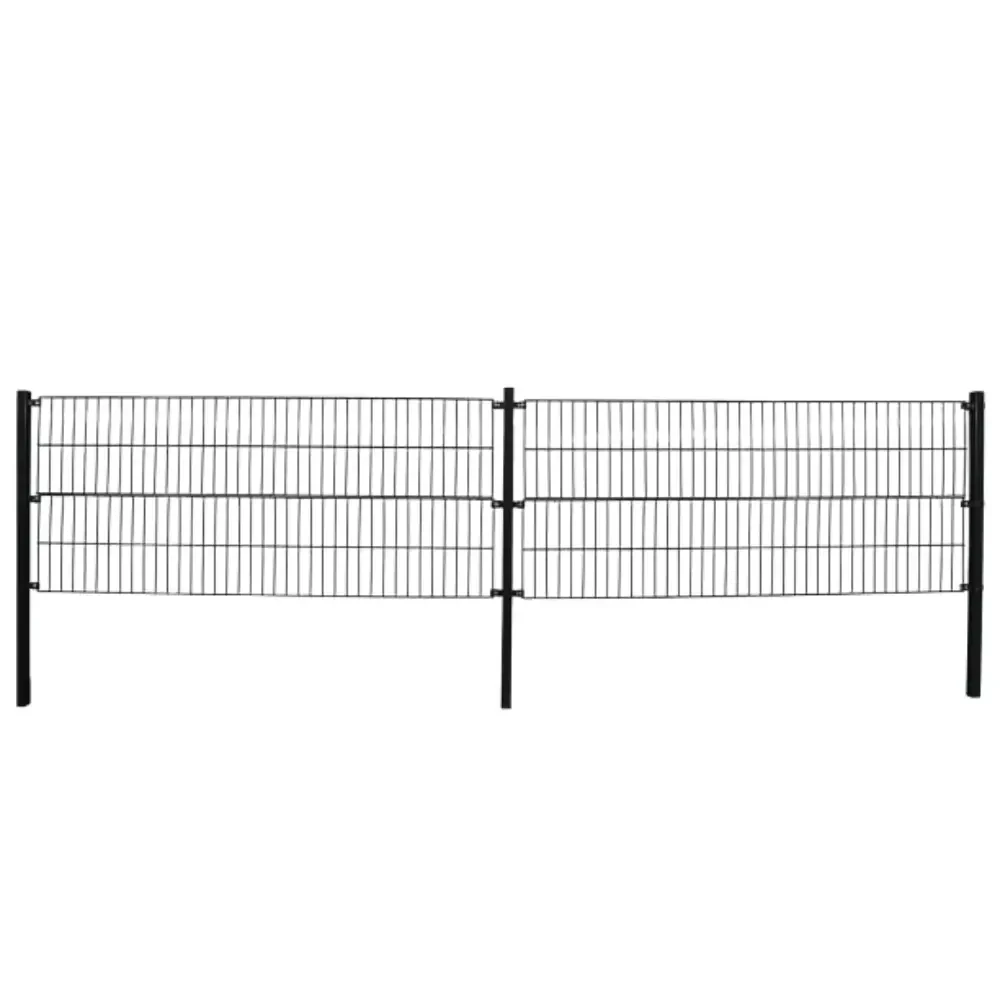
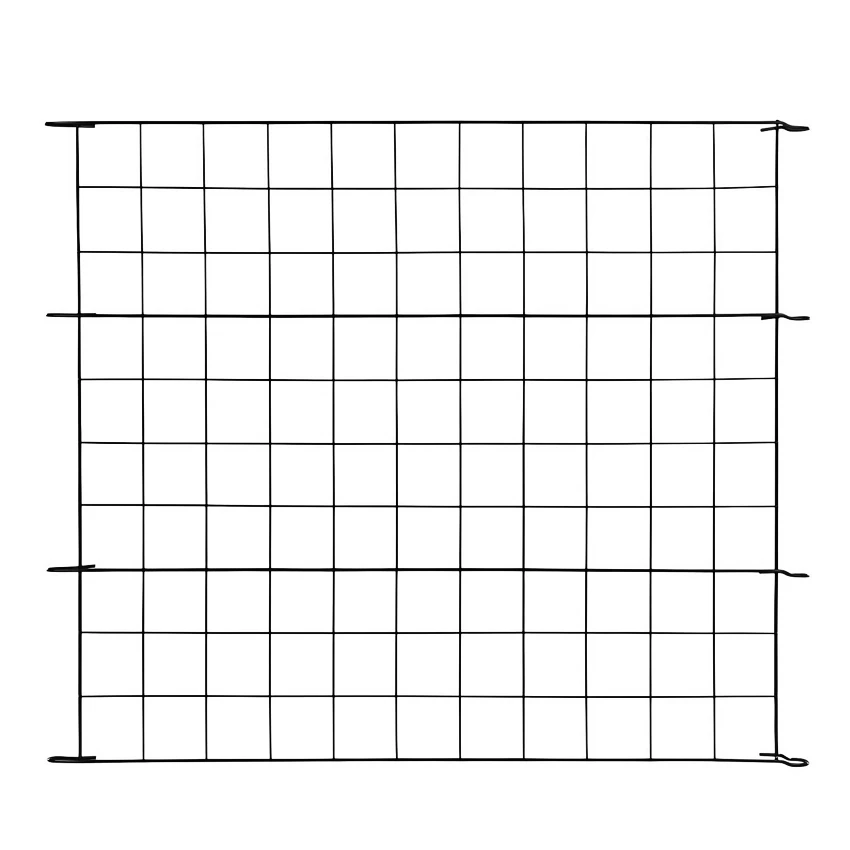
Welded fencing panels are typically constructed from high-tensile steel wires that are welded together at each intersection, creating a rigid and durable mesh. The wire gauge, aperture size (the spacing between the wires), and panel height are all customizable to suit specific requirements. The process usually involves automated welding machines to ensure consistency and quality. Galvanization, either before or after welding, is a common practice to enhance corrosion resistance. Powder coating is frequently applied over galvanization to provide a wider range of color options and further protection against the elements. Peilingtech specializes in producing high-quality welded fencing panels tailored to diverse client needs.
Key Manufacturing Steps: Cutting steel wire, forming the mesh, welding the intersections, galvanizing or powder coating, quality control inspection.
Applications of Welded Fencing Panels
The versatility of welded fencing panels allows for a broad spectrum of applications. Residential properties utilize them for garden boundaries, pet enclosures, and security perimeters. Commercial properties, such as schools and businesses, benefit from the enhanced security they provide. Industrial sites rely on them for robust perimeter protection and access control. Additionally, they are commonly used in agricultural settings for livestock containment and crop protection. The consistent and professional aesthetic also makes them a popular choice for landscaping projects.
Common Applications:
• Residential Fencing
• Commercial Security
• Industrial Perimeter Protection
• Agricultural Enclosures
Welded Fencing Panels vs. Other Fencing Options
When considering fencing solutions, welded fencing panels often stand out when compared to traditional options like chain link or wooden fences. Chain link, while cost-effective, often lacks the aesthetic appeal and perceived security of welded panels. Wooden fences require more maintenance, are susceptible to rot and insect damage, and offer less long-term durability. Welded panels provide a balance of security, aesthetics, and longevity, making them a worthwhile investment. Their consistent appearance also enhances property value.
Factors to Consider When Choosing Welded Fencing Panels
Selecting the appropriate welded fencing panels requires careful consideration of several factors. The intended application dictates the necessary height and wire gauge. For higher security applications, a heavier gauge wire and smaller aperture size are recommended. The surrounding environment influences the choice of coating; galvanized panels are suitable for general outdoor use, while powder-coated panels offer enhanced aesthetic appeal and corrosion resistance. Finally, budget considerations play a role, although investing in higher-quality panels often results in long-term savings due to reduced maintenance and replacement costs.
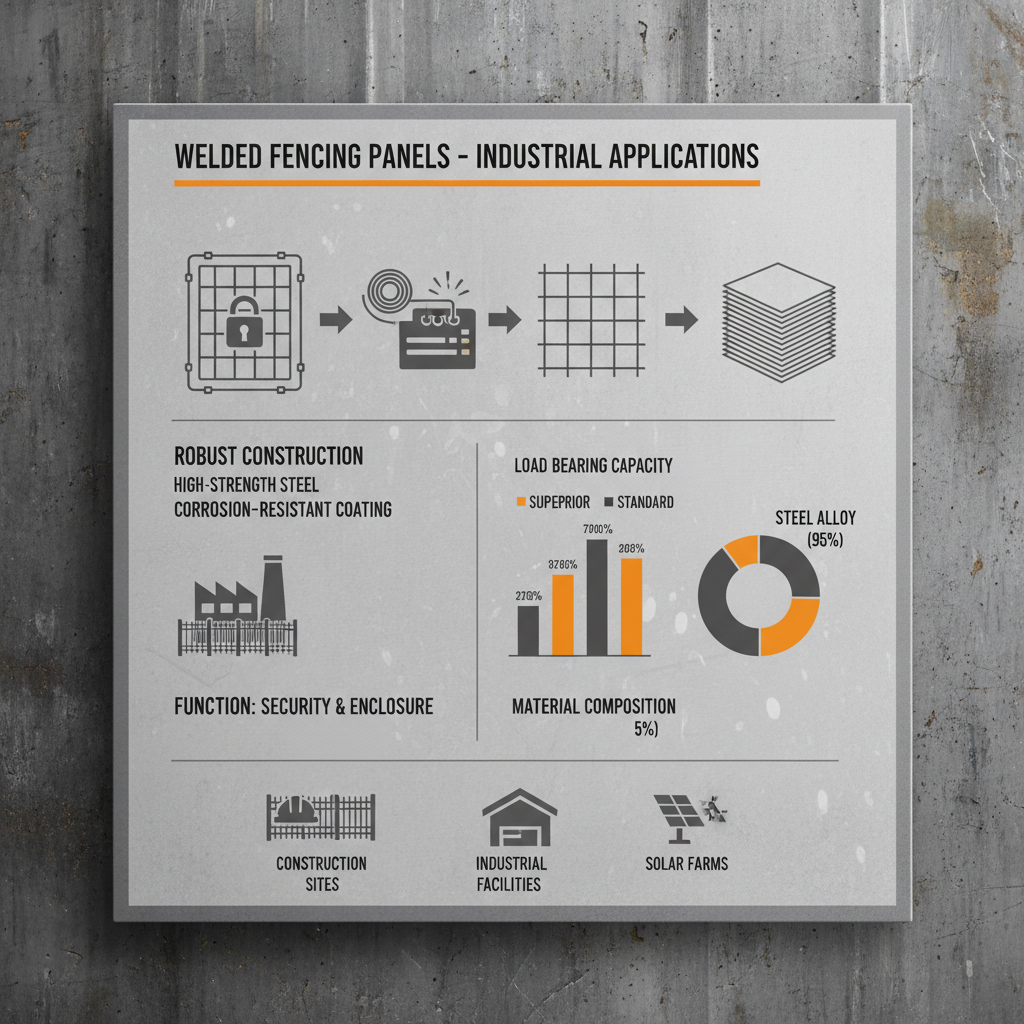
Product Specifications - Popular Welded Fencing Panel
Here’s a typical specification for a commonly used welded fencing panel:
Conclusion: Choosing the Right Welded Fencing Panel
Investing in welded fencing panels is a smart decision for anyone seeking a reliable, durable, and aesthetically pleasing perimeter solution. By carefully considering the application, environment, and budget, you can select the optimal panel to meet your specific needs. With proper installation and minimal maintenance, these panels will provide years of security and peace of mind.
Frequently Asked Questions (FAQs)
What is the typical lifespan of welded fencing panels?
With proper maintenance and installation, welded fencing panels can last for 20-30 years or more. The lifespan depends on the quality of the materials, the coating applied, and the environmental conditions. Galvanized and powder-coated panels are more resistant to corrosion and will last longer than untreated panels. Regular inspection and prompt repair of any damage will also extend the lifespan of the fence.
How do I maintain welded fencing panels?
Maintenance is relatively simple. Regularly inspect the panels for any signs of corrosion or damage. Clean the panels periodically with mild soap and water to remove dirt and debris. If you notice any rust spots, address them immediately with a rust inhibitor and touch-up paint. Ensure that vegetation is kept trimmed away from the fence to prevent moisture buildup and corrosion.
What post spacing is recommended for welded fencing panels?
The standard post spacing for welded fencing panels is typically between 2.4m and 3m, depending on the height of the panel and the wind load in your area. Closer spacing provides greater stability, particularly in areas prone to strong winds. Consulting with a fencing professional is recommended to determine the optimal post spacing for your specific application.
Are welded fencing panels suitable for sloped ground?
Yes, welded fencing panels can be installed on sloped ground, but it requires careful planning and installation techniques. Stepped installation, where the panels follow the contour of the slope, is a common approach. Alternatively, the panels can be raked to match the slope, although this may require custom fabrication. It's crucial to ensure that the posts are securely anchored into the ground to maintain the stability of the fence.
-
Complete Guide to Choosing a Durable 4 foot wire fence rollNewsApr.16,2026
-
Guide to Choosing the Best Square Wire Fencing Roll for SecurityNewsApr.16,2026
-
High Quality Steel Welded Wire Rolled Fencing for Secure BoundariesNewsApr.16,2026
-
High Quality Black Fence Roll for Secure and Discreet PerimeterNewsApr.16,2026
-
Ultimate Guide to Temporary Fence Roll for Site Security and SafetyNewsApr.16,2026
-
High Quality Garden Mesh Roll Guide for Protecting Green SpaceNewsApr.09,2026