-

-
 Whatsapp:+86 17732187393
 -


Comprehensive Guide to Wire Fence Roll Selection and Installation
Understanding Wire Fence Roll: A Comprehensive Guide
When securing your property or containing livestock, selecting the right fencing is crucial. A wire fence roll offers a cost-effective and durable solution. This article provides an in-depth look at wire fence rolls, covering types, applications, installation, and factors to consider when making a purchase. We will explore how to choose the best option for your specific needs, ensuring long-lasting security and functionality.
Types of Wire Fence Rolls
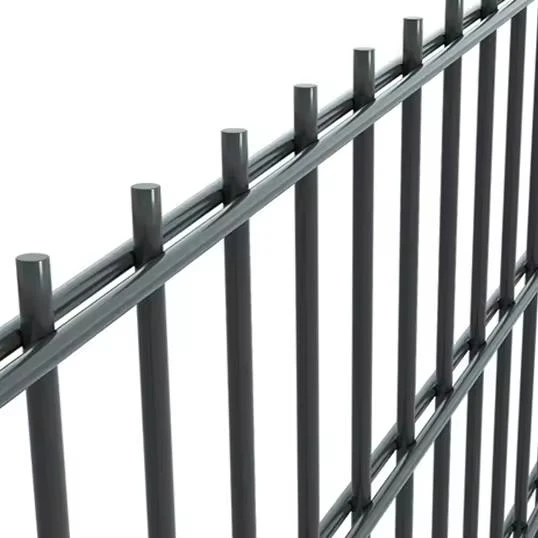
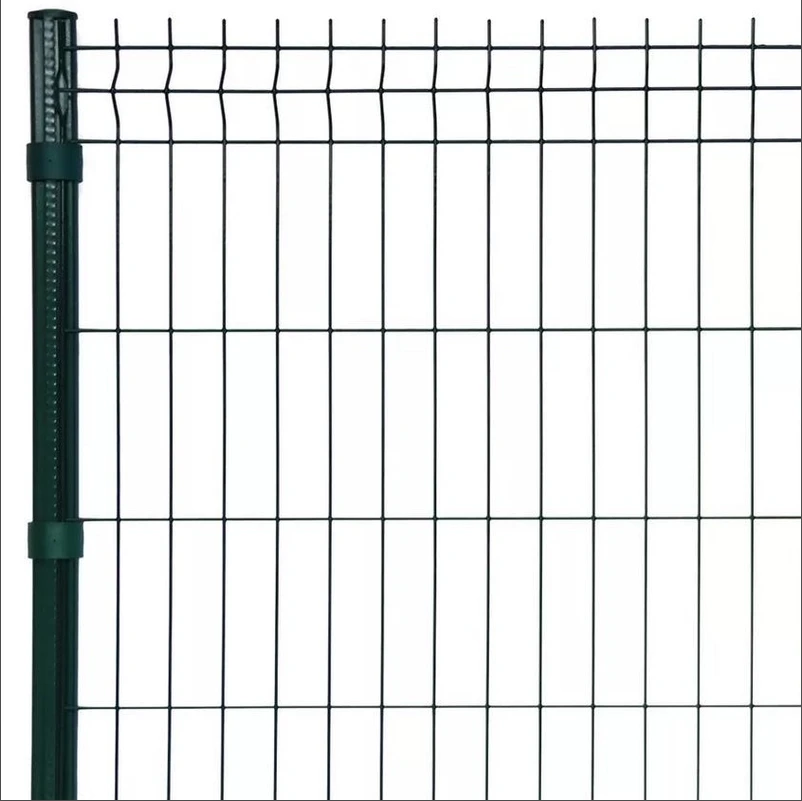
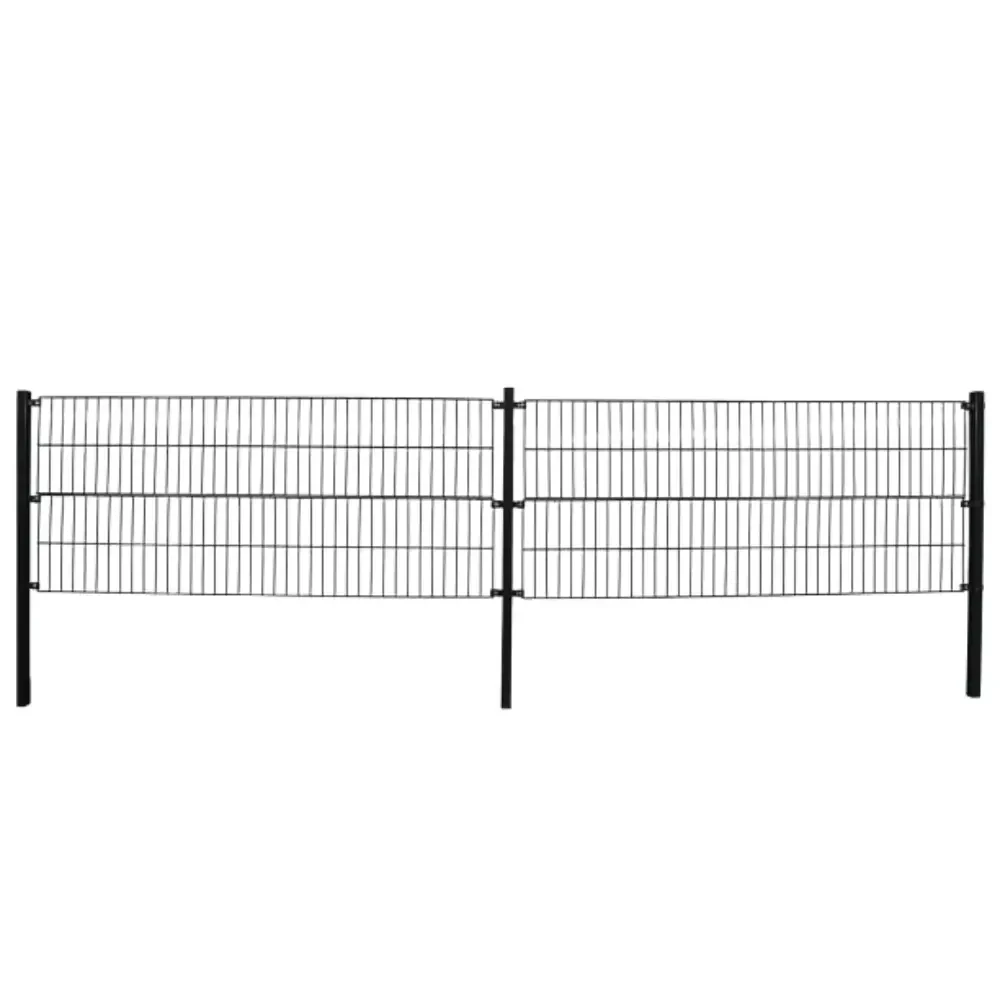
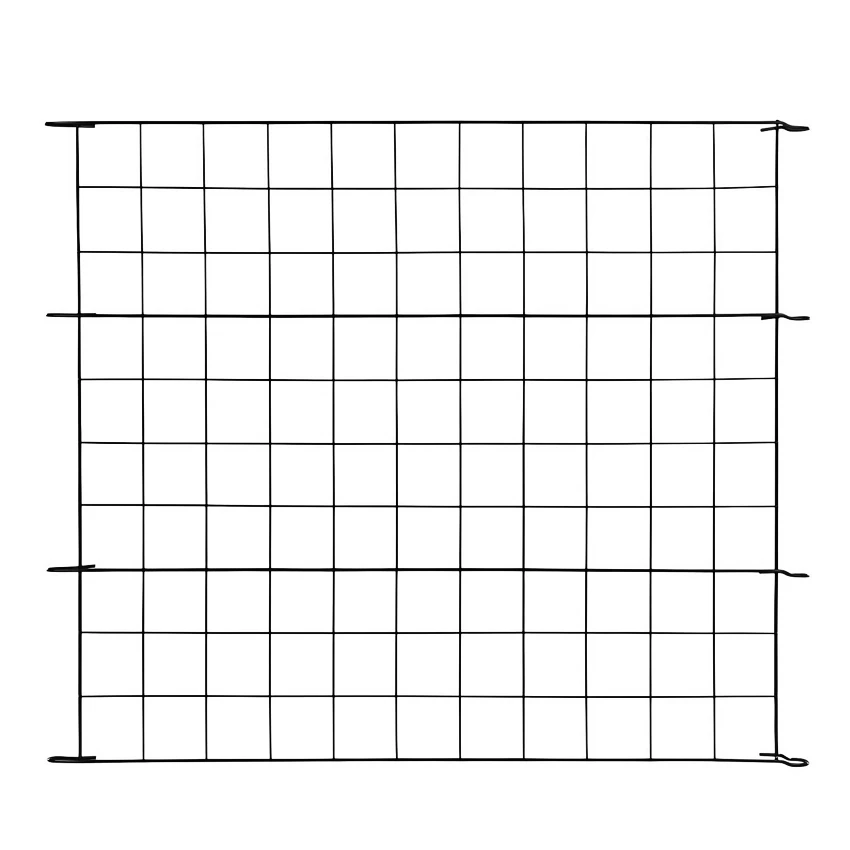
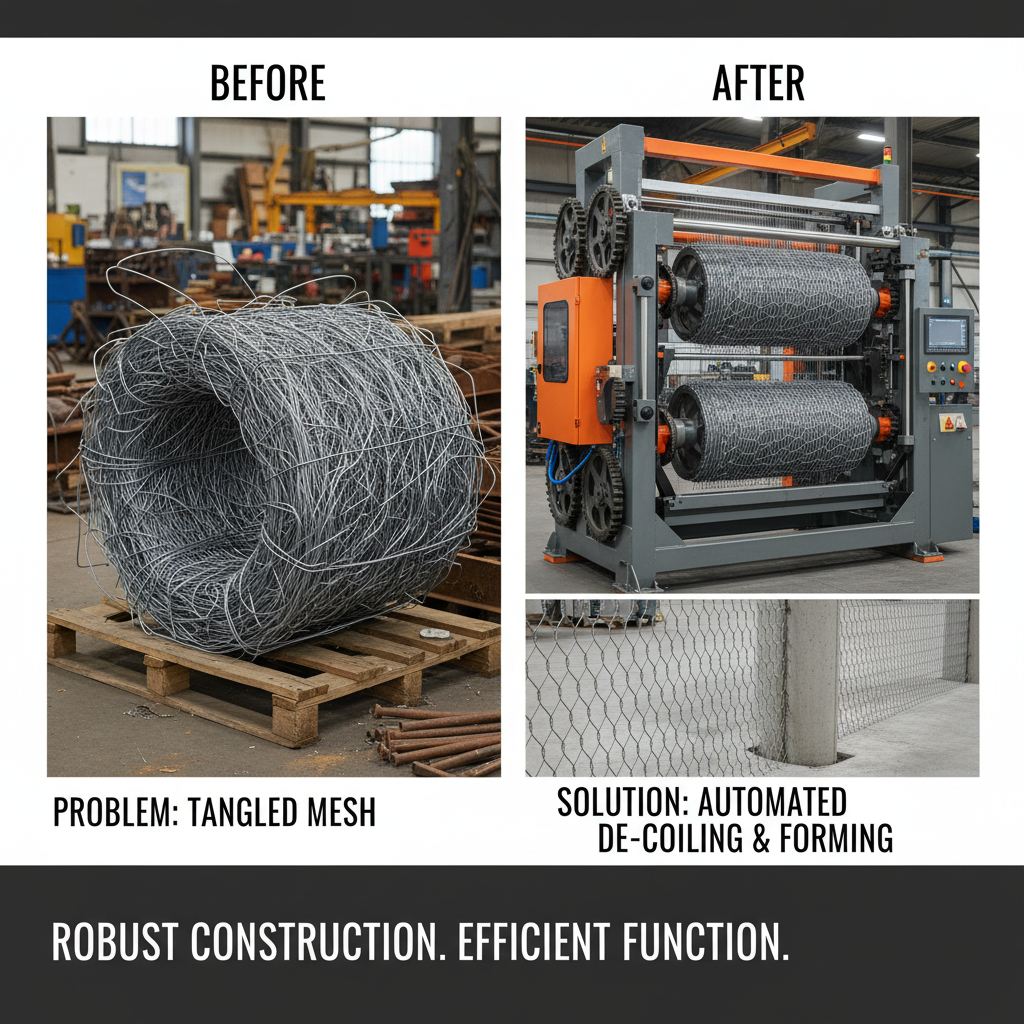
Wire fence rolls come in various types, each suited for different purposes. Some common types include: woven wire fence, known for its strength and durability; barbed wire, ideal for security and livestock control; field fence, commonly used for agricultural applications; and welded wire fence, offering a more uniform and aesthetically pleasing appearance. Understanding the characteristics of each type is essential for making an informed decision. At Peilingtech, we provide a wide variety of options to meet your requirements.
Key Highlights: Peilingtech offers a diverse selection of wire fence rolls, ensuring you find the perfect solution for your fencing needs.
Applications of Wire Fence Rolls
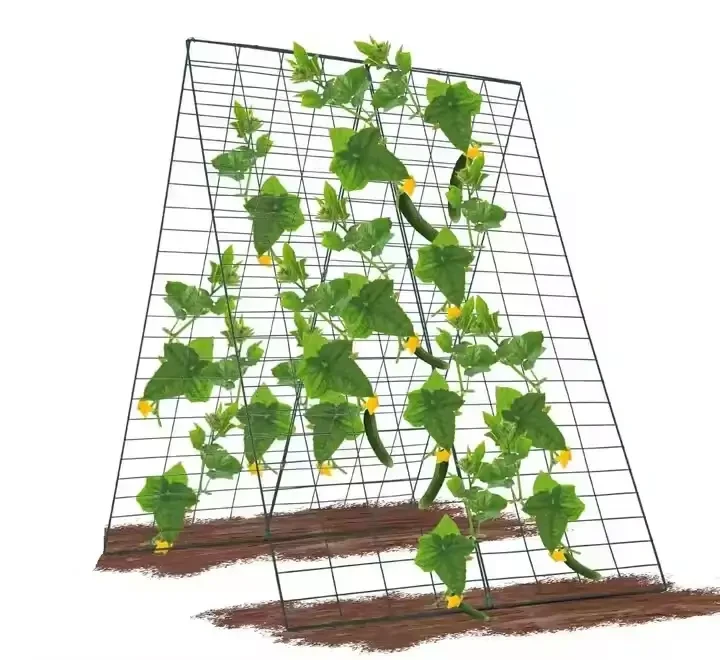
The versatility of wire fence rolls makes them suitable for a wide range of applications. Common uses include: agricultural fencing to contain livestock; perimeter security for residential and commercial properties; garden fencing to protect plants and crops; and temporary fencing for construction sites or events. Selecting the correct type of wire fence roll based on the intended application is crucial for optimal performance and longevity.
Application Benefits:
• Secure livestock containment
• Reliable property perimeter protection
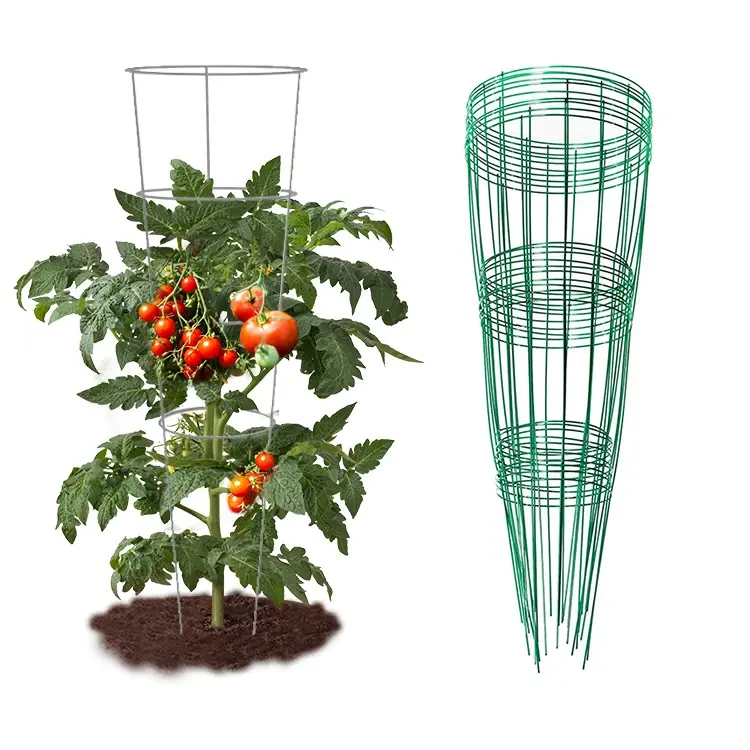
• Effective garden and crop protection
• Versatile temporary fencing solutions
Wire Fence Roll Comparison: Types and Features
Choosing the right wire fence roll can be daunting given the many options available. Here's a comparison of some common types to help you make an informed decision:
Installation Tips for Wire Fence Rolls
Proper installation is vital for the longevity and effectiveness of your wire fence. Start by marking the fence line and setting posts at appropriate intervals (typically 8-10 feet). Ensure posts are securely anchored in the ground. Unroll the wire fence and attach it to the posts using staples, clips, or tie wires. Maintain consistent tension throughout the installation process. A properly installed fence will withstand weather conditions and provide reliable security for years to come. You can find detailed guides and expert advice at Peilingtech.
Factors to Consider When Purchasing
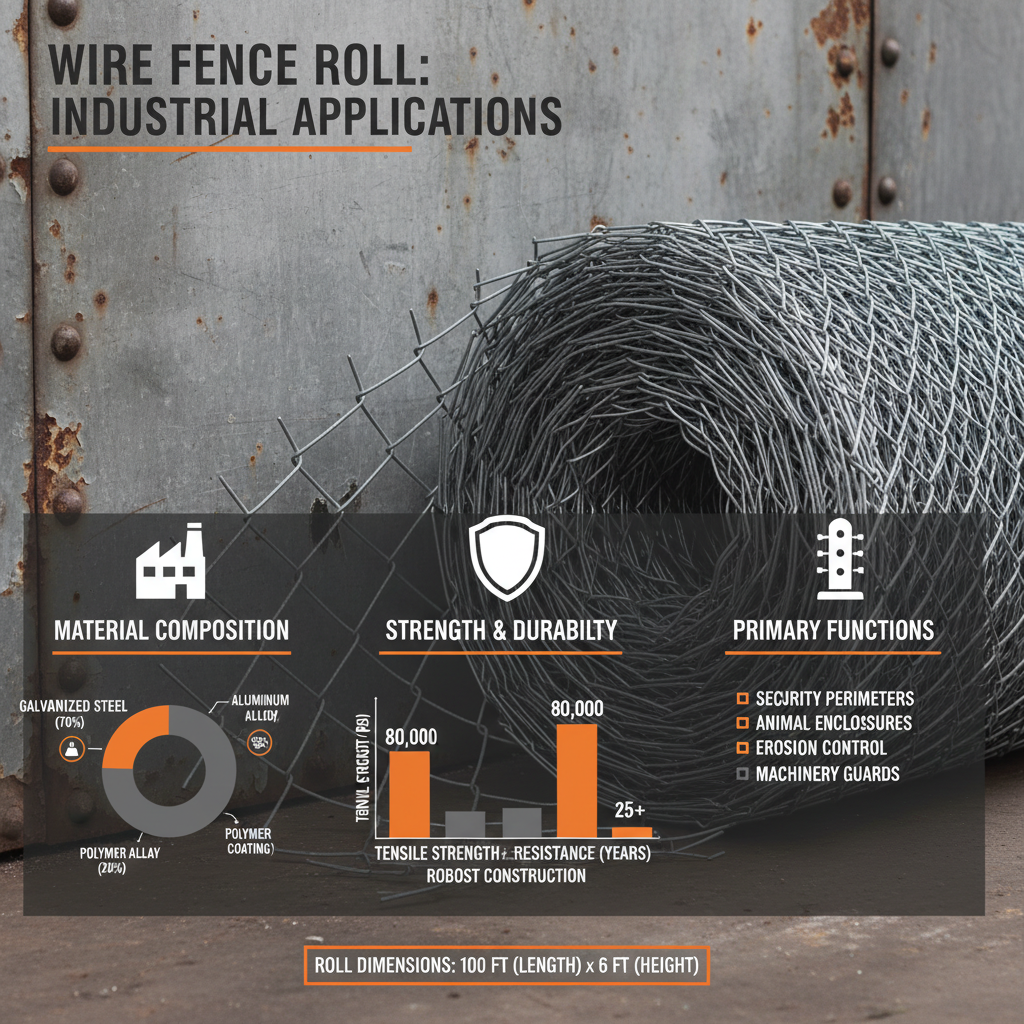
Before purchasing a wire fence roll, consider several factors. These include: the type of animals or security concerns you need to address; the length of fencing required; the height of the fence; the gauge (thickness) of the wire; and the climate conditions in your area. Investing in a high-quality wire fence roll from a reputable supplier like Peilingtech will ensure you receive a durable and reliable product.
Conclusion: Choosing the Right Wire Fence Roll
Selecting the appropriate wire fence roll is an investment in security and peace of mind. By understanding the different types, applications, and installation techniques, you can make an informed decision that meets your specific needs. Peilingtech provides high-quality wire fence rolls and expert guidance to help you find the perfect solution.
Frequently Asked Questions (FAQs)
What is the recommended post spacing for a wire fence roll?
The ideal post spacing depends on the terrain, the type of wire fence, and the animals or security concerns. Generally, posts should be spaced 8-10 feet apart for most applications. However, in uneven terrain or for heavier animals, closer spacing (6-8 feet) may be necessary. Properly spaced posts provide adequate support and prevent the fence from sagging or failing. Using sturdy corner and end posts is also critical for maintaining fence tension and stability.
How do I prevent rust on a wire fence roll?
Rust prevention is crucial for extending the lifespan of your wire fence. Galvanized wire is commonly used due to its inherent rust resistance. However, even galvanized wire can rust over time, especially in harsh environments. Applying a protective coating, such as zinc-rich paint or a specialized fence coating, can further enhance rust protection. Regularly inspect the fence for signs of rust and address any issues promptly. Avoid contact with corrosive materials, and consider using plastic or rubber insulators to prevent the wire from directly touching metal posts.
What is the best wire gauge for keeping livestock contained?
The best wire gauge for livestock containment depends on the size and strength of the animals. For smaller livestock like sheep or goats, a 12.5-gauge wire is often sufficient. For larger livestock like cattle or horses, a heavier gauge wire, such as 11.5 or 9 gauge, is recommended. Heavier gauge wire provides greater tensile strength and resistance to breaking or stretching. Considering the specific needs of your animals will ensure the fence provides adequate containment.
Can wire fence rolls be used for temporary fencing?
Yes, wire fence rolls can be used for temporary fencing. Lightweight woven wire or welded wire are popular choices for temporary applications. Temporary fencing often utilizes lighter-duty posts, such as T-posts, which are easy to install and remove. Ensure the temporary fence is adequately secured and meets any necessary safety requirements for the intended use. Peilingtech offers solutions for both permanent and temporary fencing needs.
-
Complete Guide to Choosing a Durable 4 foot wire fence rollNewsApr.16,2026
-
Guide to Choosing the Best Square Wire Fencing Roll for SecurityNewsApr.16,2026
-
High Quality Steel Welded Wire Rolled Fencing for Secure BoundariesNewsApr.16,2026
-
High Quality Black Fence Roll for Secure and Discreet PerimeterNewsApr.16,2026
-
Ultimate Guide to Temporary Fence Roll for Site Security and SafetyNewsApr.16,2026
-
High Quality Garden Mesh Roll Guide for Protecting Green SpaceNewsApr.09,2026