-

-
 Whatsapp:+86 17732187393
 -


Comprehensive Guide to Wire Fencing Rolls for Boundary and Security Solutions
Understanding Wire Fencing Rolls for Effective Boundary Solutions
When establishing property lines, securing livestock, or enhancing agricultural practices, wire fencing rolls offer a versatile and cost-effective solution. Choosing the right type of wire fencing is crucial for long-term durability and performance. This article will delve into the various types of wire fencing rolls, their applications, installation considerations, and how to select the best option for your specific needs. We'll explore the benefits of different materials, gauges, and configurations, helping you make an informed decision. Visit Peiling Tech for a comprehensive selection of high-quality wire fencing rolls.
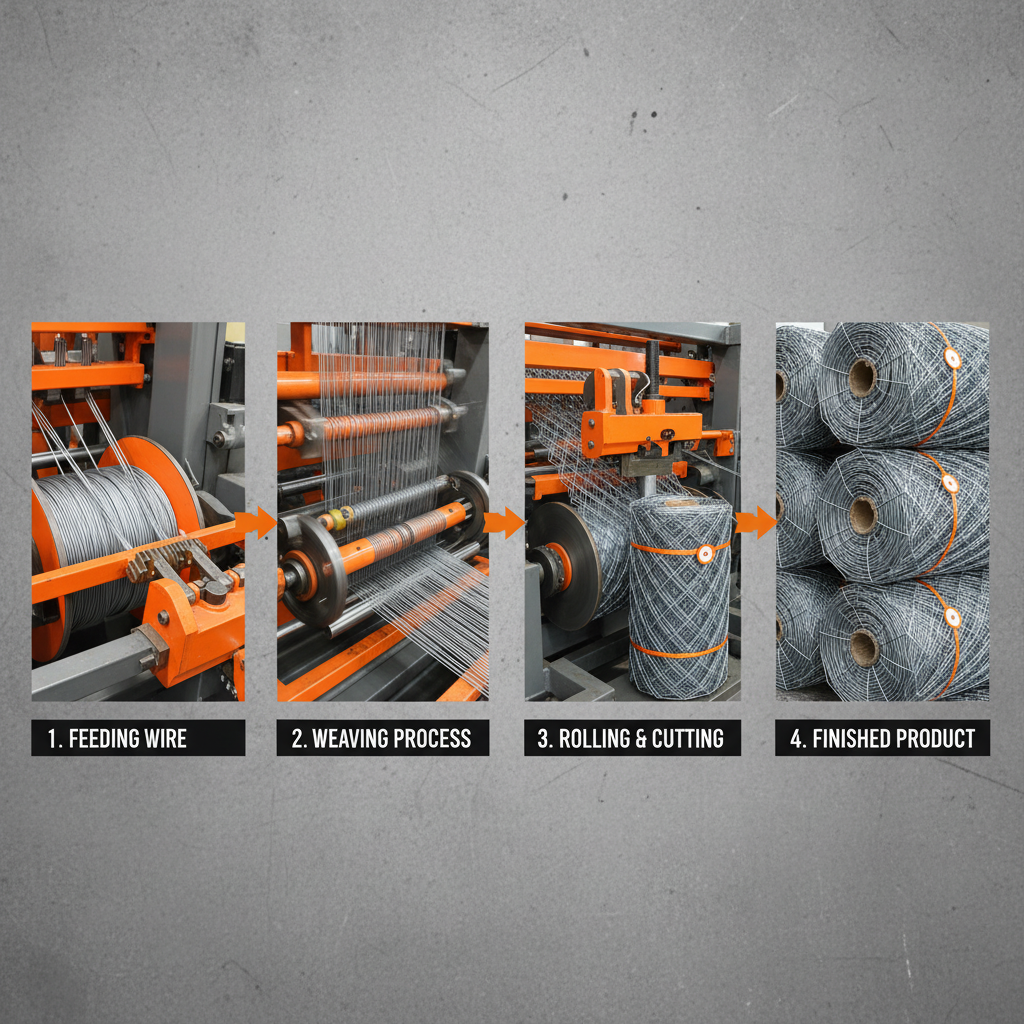
Types of Wire Fencing Rolls
Wire fencing rolls come in a variety of types, each suited to different applications. Some of the most common include: Woven Wire Fencing, which is known for its strength and durability; Barbed Wire Fencing, widely used for agricultural and security purposes; and Welded Wire Fencing, offering a more uniform and aesthetically pleasing appearance. The choice depends on the animals you need to contain, the security level required, and the overall aesthetic you desire. Different wire gauges (thickness) also affect the fencing's strength and cost.
Key Takeaway: Selecting the appropriate wire fencing type is paramount to ensure effective containment and security, considering both the needs of the application and the environment.
Wire Fencing Rolls: A Comparative Analysis
Understanding the strengths and weaknesses of each type of wire fencing is crucial for making the right choice. Barbed wire, for instance, is highly effective at deterring livestock and intruders, but may not be suitable for containing smaller animals. Woven wire offers a more versatile solution, while welded wire provides a cleaner look, often preferred for residential applications. Here's a detailed comparison:
Selecting the Right Gauge for Your Needs
The gauge of the wire refers to its thickness. Lower gauge numbers indicate thicker wire. For example, 12-gauge wire is thicker and stronger than 16-gauge wire. Heavier-duty applications, such as containing large livestock, require lower gauge wire. Lighter-duty applications, such as garden fencing, can utilize higher gauge wire. Choosing the correct gauge will impact the longevity and effectiveness of your fence. Consider the animals you are containing and the potential for external pressure when selecting the appropriate wire gauge. Peiling Tech offers a variety of gauges to suit your needs.
Gauge Guide:
• 12-14 Gauge: Heavy-duty, large livestock
• 15-16 Gauge: Medium-duty, sheep, goats
• 18-20 Gauge: Light-duty, poultry, gardens
Installation Tips for Long-Lasting Wire Fencing
Proper installation is just as important as selecting the right wire fencing rolls. Ensure posts are securely anchored and spaced correctly. Use high-quality tensioning tools to achieve proper wire tension. Protect the wire from corrosion by using galvanized or coated wire. Regularly inspect the fence for damage and make repairs promptly. Incorrect installation can significantly reduce the lifespan of your fence and compromise its effectiveness.
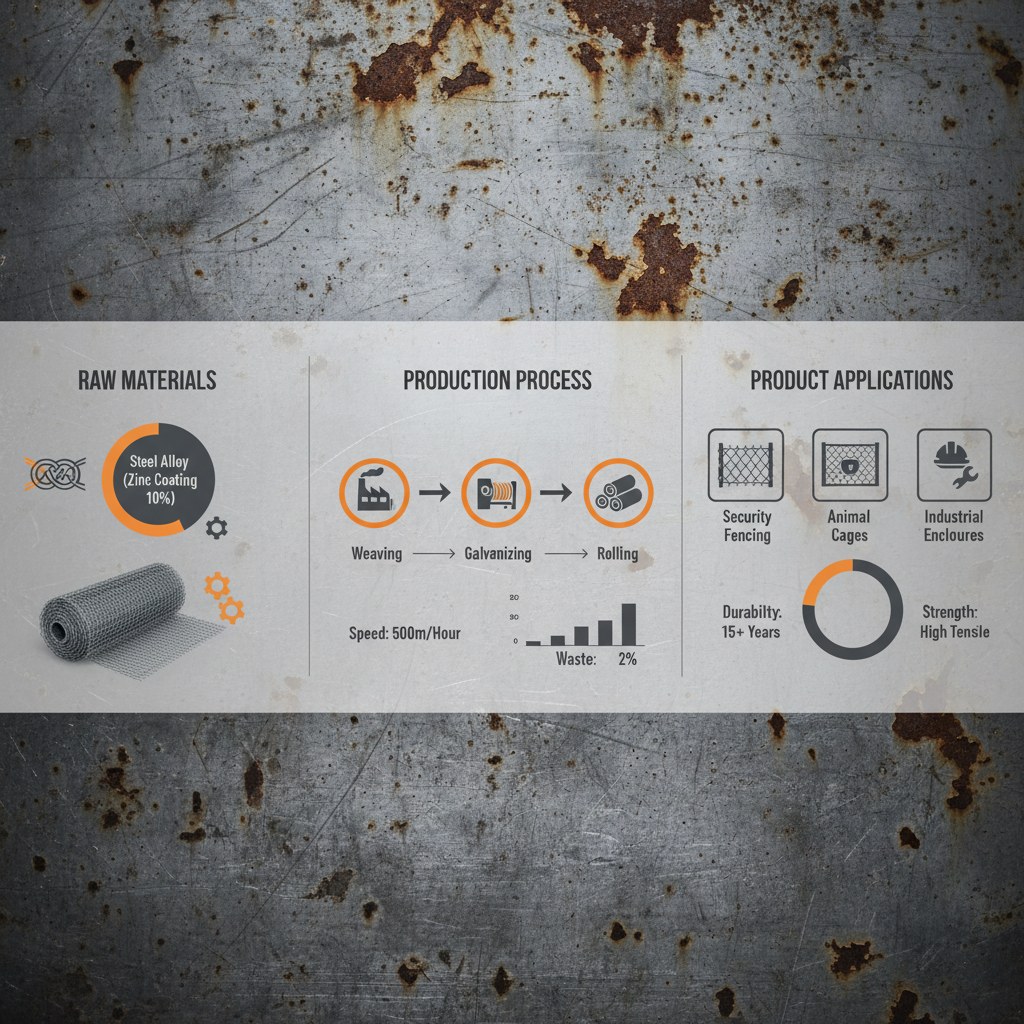
Considerations for Different Terrains and Climates
The terrain and climate in your location will also influence your fencing choices. Hilly terrain may require more posts and careful wire tensioning. Areas prone to heavy snowfall may necessitate taller fences to prevent animals from jumping over accumulated snow. Coastal areas require corrosion-resistant wire to withstand saltwater exposure. Consider these factors when selecting your wire fencing rolls to ensure long-term performance. At Peiling Tech, we offer solutions tailored to various environmental conditions.
Conclusion: Choosing the Right Wire Fencing for Your Needs
Selecting the right wire fencing rolls requires careful consideration of your specific needs, budget, and environmental factors. By understanding the different types of wire fencing, their strengths and weaknesses, and proper installation techniques, you can create a durable and effective boundary solution. Explore the wide range of options available at Peiling Tech to find the perfect fencing for your project.
Frequently Asked Questions (FAQs)
What is the best type of wire fencing for containing goats?
Goats are notorious for testing fences! Woven wire fencing with small mesh openings (4x4 inch is recommended) is generally the most effective choice. Barbed wire isn't ideal as goats can get tangled and injured. The height of the fence should be at least 4 feet, and potentially higher depending on the breed of goat. It’s also beneficial to add a strand of electric wire along the inside of the fence to deter climbing and rubbing. Using a heavier gauge wire is also recommended to withstand goat pressure.
How often should I inspect my wire fencing?
Regular inspection is crucial for maintaining the integrity of your fence. At a minimum, inspect the entire length of the fence line at least twice a year, once in the spring and once in the fall. Pay close attention to areas prone to damage, such as corners, gate posts, and sections along waterways. Look for broken wires, loose posts, and signs of corrosion. Promptly repair any damage to prevent further issues and ensure continued containment or security.
What is the difference between galvanized and PVC-coated wire fencing?
Galvanized wire is coated with zinc to protect against rust and corrosion. PVC-coated wire takes this a step further by adding a layer of polyvinyl chloride (PVC) over the galvanized coating, offering even greater protection, especially in harsh environments. PVC-coated wire is more expensive but significantly more durable and aesthetically pleasing. Galvanized wire is a good option for less demanding applications, while PVC-coated wire is ideal for coastal areas or areas with high humidity.
Can wire fencing be used for security purposes?
Yes, wire fencing, particularly barbed wire and woven wire with smaller mesh openings, can be an effective security measure. Adding strands of electric wire along the top of the fence significantly enhances its deterrent effect. Consider incorporating security posts and appropriate signage to clearly mark the perimeter and discourage unauthorized access. The height and type of wire will depend on the level of security required.
-
Complete Guide to Choosing a Durable 4 foot wire fence rollNewsApr.16,2026
-
Guide to Choosing the Best Square Wire Fencing Roll for SecurityNewsApr.16,2026
-
High Quality Steel Welded Wire Rolled Fencing for Secure BoundariesNewsApr.16,2026
-
High Quality Black Fence Roll for Secure and Discreet PerimeterNewsApr.16,2026
-
Ultimate Guide to Temporary Fence Roll for Site Security and SafetyNewsApr.16,2026
-
High Quality Garden Mesh Roll Guide for Protecting Green SpaceNewsApr.09,2026