-

-
 Whatsapp:+86 17732187393
 -


Explore Durable Welded Wire Dog Fence Panels for Secure Containment
Understanding Welded Wire Dog Fence Panels
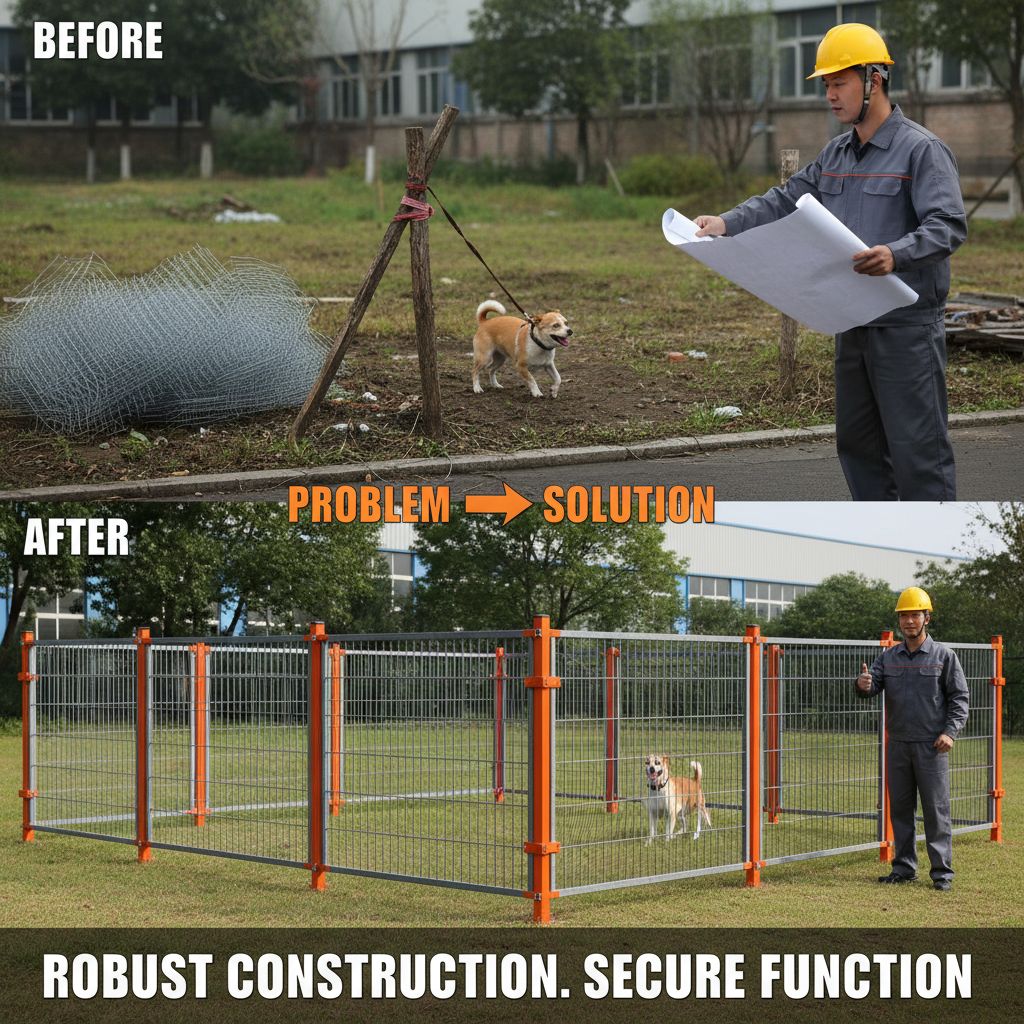
When choosing a secure and reliable enclosure for your canine companion, welded wire dog fence panels offer a practical and cost-effective solution. These panels are becoming increasingly popular due to their durability, ease of installation, and versatility. This article will explore the benefits of using welded wire dog fence panels, covering key features, installation tips, and considerations when selecting the right panels for your needs. A secure fence provides peace of mind, knowing your dog is safe within a designated area.
Benefits of Using Welded Wire Dog Fence Panels
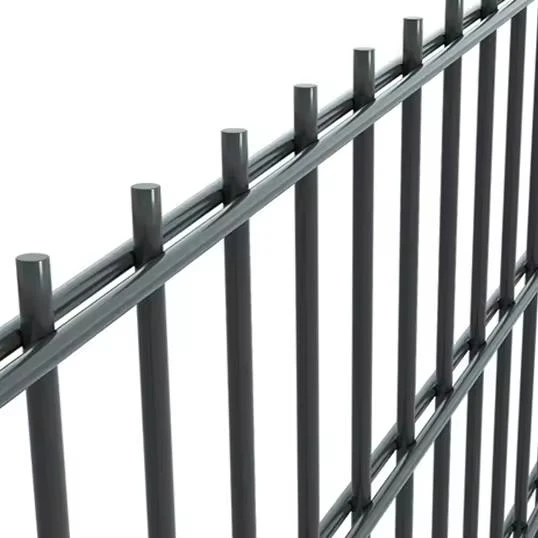
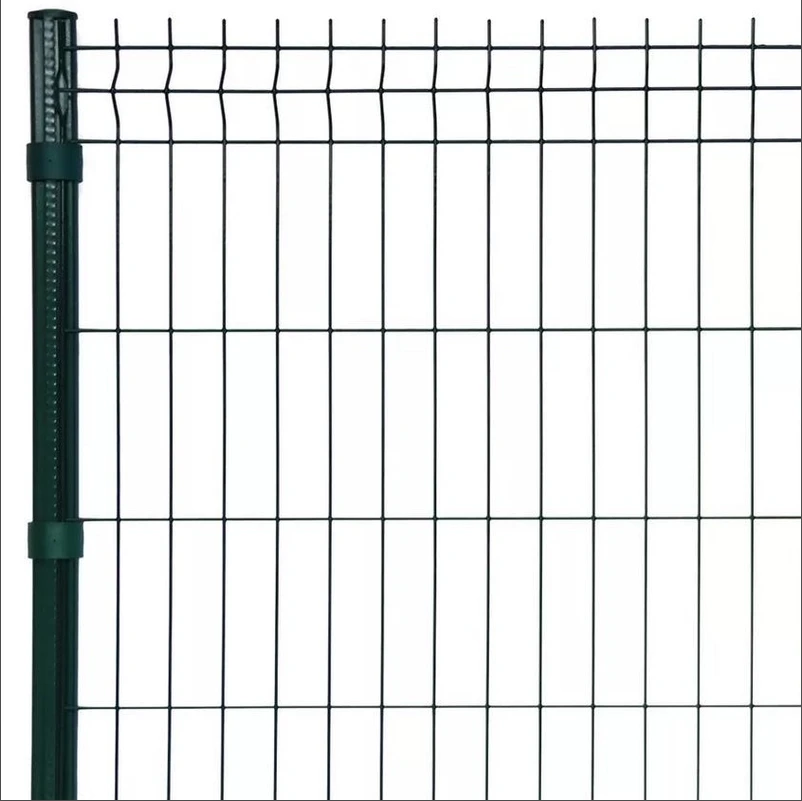
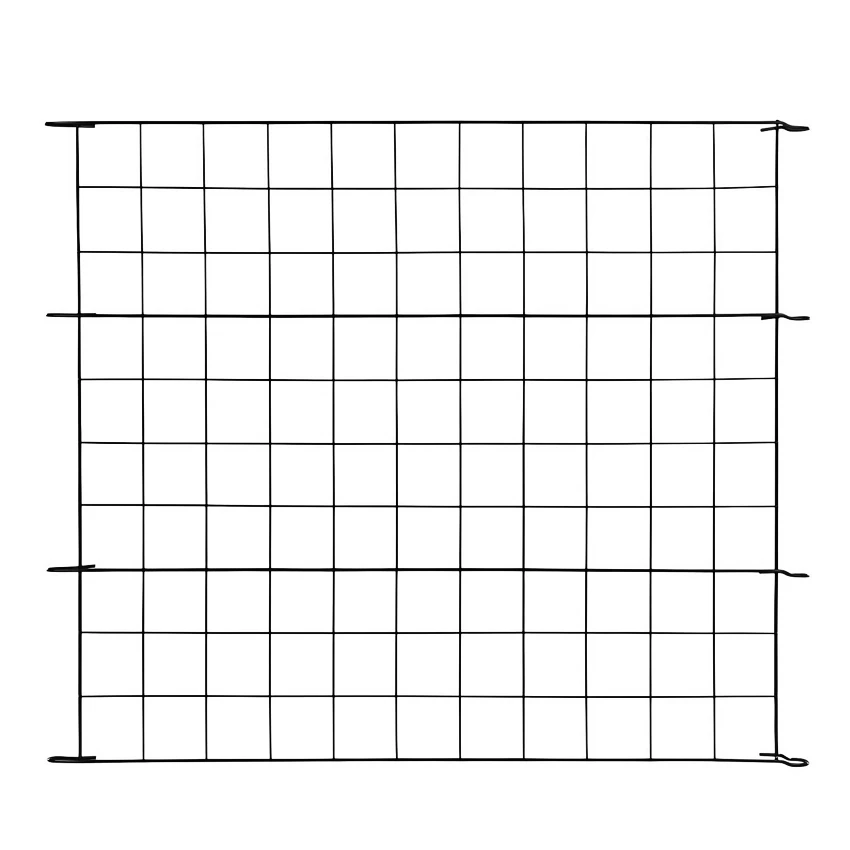
Welded wire dog fence panels are constructed by welding galvanized steel wires together, creating a strong and rigid structure. This construction method offers several advantages over traditional fencing options like chain-link or wood. The galvanized coating protects the wire from rust and corrosion, ensuring a long lifespan even in harsh weather conditions. They are lighter and easier to handle than chain link, simplifying the installation process. Moreover, welded wire provides better visibility, allowing you and your dog to maintain visual contact with the surroundings. Peiling Tech provides quality panels for various dog sizes and breeds.
Key Highlights: Durable construction, rust-resistant galvanized finish, easy installation, improved visibility, and cost-effective solution for dog containment.
Choosing the Right Welded Wire Dog Fence Panel
Selecting the appropriate welded wire dog fence panel depends on several factors, including your dog's size, breed, and temperament. Consider the height and spacing of the wires. For smaller dogs, a closer wire spacing will prevent them from squeezing through the gaps. Larger, more active dogs require taller panels and a heavier gauge wire to withstand potential pushing or jumping. Different panel heights are available, typically ranging from 3 to 6 feet. You also need to consider the length of the panels needed to fully enclose the desired area. Peiling Tech offers a range of panel sizes and wire gauges to accommodate various needs.
Key Considerations:
• Dog Size & Breed
• Panel Height
• Wire Gauge
• Wire Spacing
Welded Wire Dog Fence Panels: A Comparison with Other Fencing Options
Compared to other fencing materials, welded wire dog fence panels offer a unique set of advantages. Chain-link fences, while durable, can be visually unappealing and lack the visibility provided by welded wire. Wood fences require more maintenance, such as staining and repairs, and are susceptible to rot and insect damage. Welded wire is a more cost-effective solution than solid wood fences, while still providing a secure and attractive enclosure. It's also significantly lighter than wood, simplifying installation. The initial investment in welded wire dog fence panels often results in long-term savings due to reduced maintenance costs.
Installation Tips for Welded Wire Dog Fence Panels
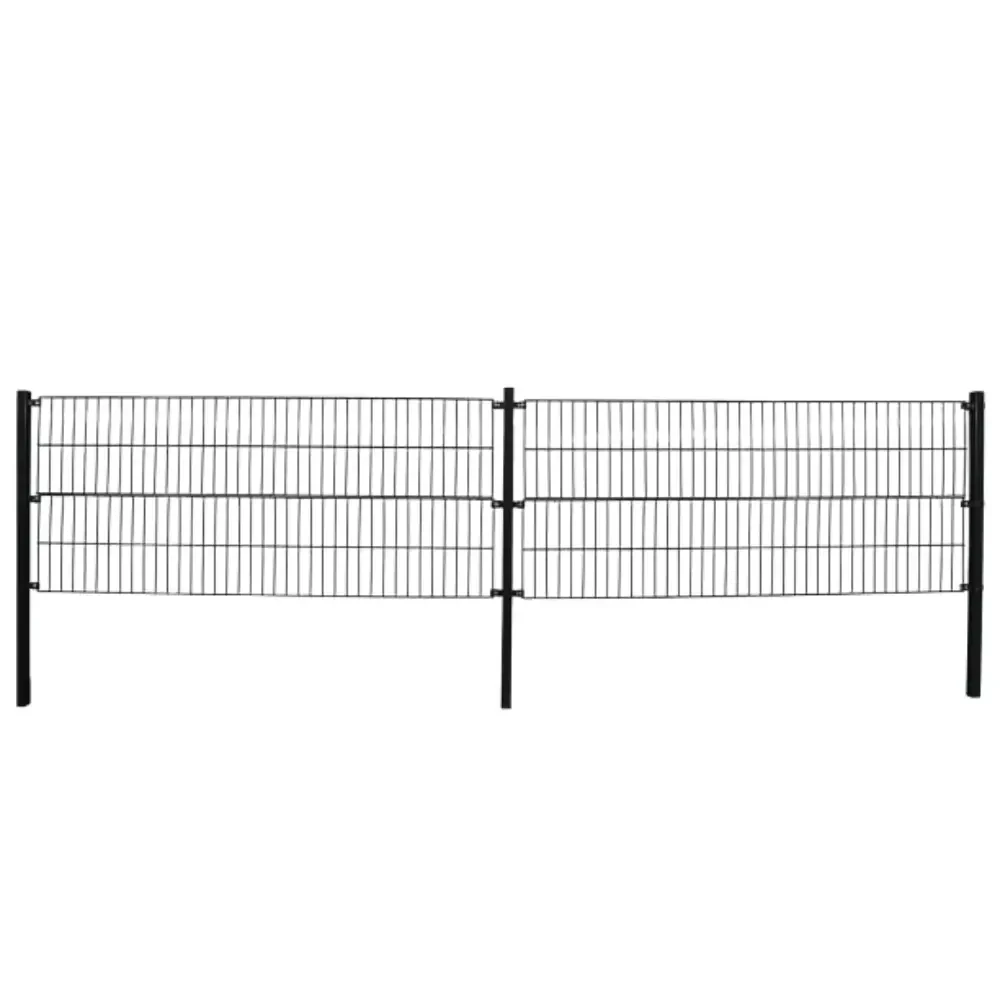
Installing welded wire dog fence panels is a relatively straightforward process. Begin by marking the perimeter of the desired enclosure. Use fence posts, spaced approximately 8-10 feet apart, to provide support for the panels. Ensure the posts are securely anchored in the ground using concrete or other appropriate methods. Attach the panels to the posts using wire ties, hog rings, or specialized fence clips. For added security, consider burying the bottom of the panels a few inches below the ground to prevent digging. Proper tensioning of the wire is essential for a stable and secure fence. Peiling Tech can provide guidance on appropriate installation techniques.
Product Specifications & Sizes Available
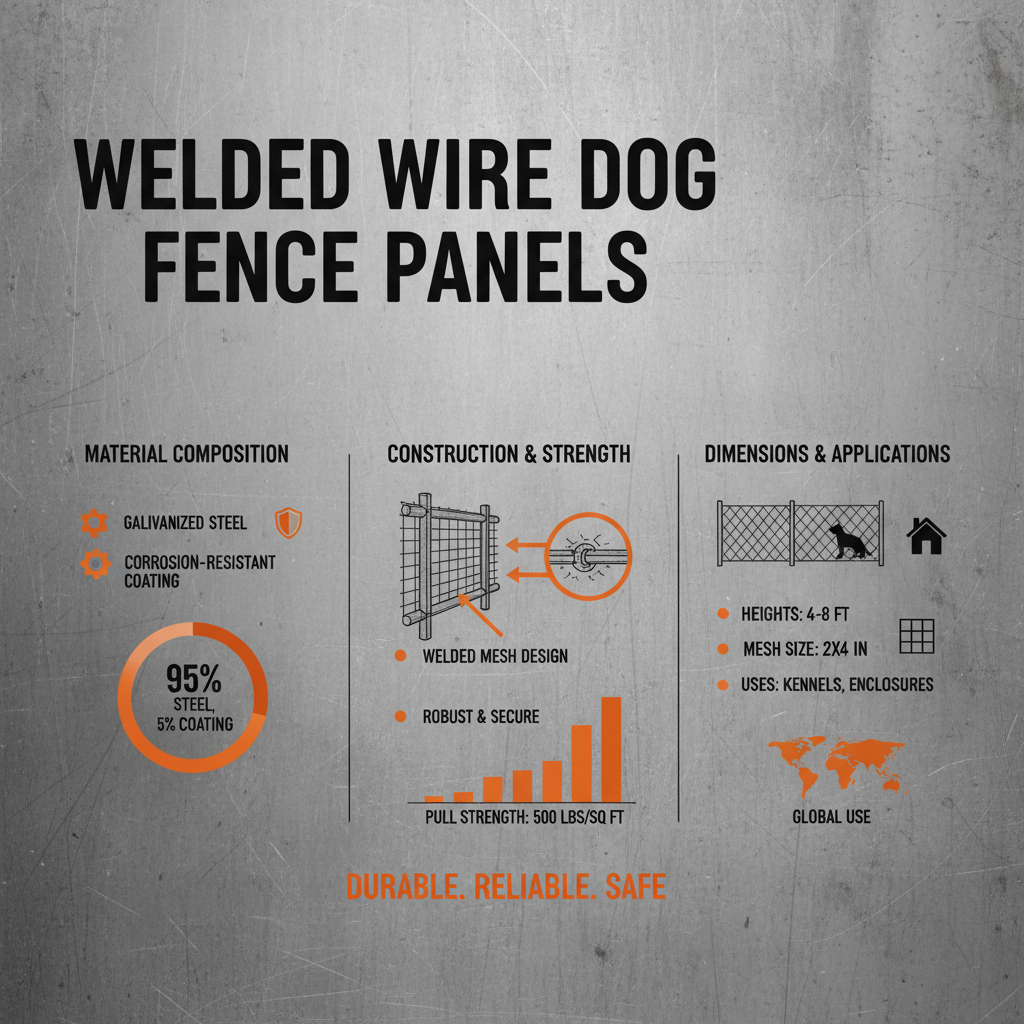
We offer a variety of welded wire dog fence panel specifications to meet your specific needs. Common specifications include wire gauge (typically 9, 11, or 12 gauge), mesh size (sizes vary based on dog size requirements), and panel height (3ft, 4ft, 5ft, and 6ft options). Panel lengths typically come in 8ft, 10ft, and 12ft lengths. All panels are constructed with galvanized steel wire and are available in different finishes.
Conclusion: A Safe and Secure Solution for Your Canine Friend
Investing in welded wire dog fence panels provides a durable, safe, and visually appealing solution for containing your dog. With proper selection and installation, these panels offer long-lasting peace of mind, ensuring your furry friend has a secure space to roam and play. Peiling Tech is your trusted partner for high-quality fencing solutions.
Frequently Asked Questions (FAQs)
What is the best wire gauge for a large, active dog?
For large, active dogs that are prone to leaning or attempting to breach the fence, a 9 or 11-gauge wire is recommended. These heavier gauges provide greater strength and rigidity, making it more difficult for the dog to bend or break the wire. A smaller mesh size is also beneficial to prevent paws from getting stuck. Consider the dog’s breed and behavior when making your selection. If your dog is a known digger, additional measures like burying the bottom of the fence or installing a dig guard may be necessary.
How often do I need to maintain a welded wire fence?
Welded wire fences are relatively low-maintenance, but regular inspections are still important. Check for any signs of rust, damage, or loose wire ties. Tighten or replace any loose ties as needed. Remove any vegetation growing around the fence line that could compromise its integrity. Applying a protective coating to the wire periodically can help extend its lifespan, especially in coastal or highly corrosive environments.
Can welded wire panels be used for temporary fencing?
Yes, welded wire panels are often used for temporary fencing applications. They are lightweight and easy to transport and install. Temporary fencing can be secured using T-posts or other portable support systems. This makes them ideal for containing pets during landscaping projects, events, or training sessions. However, for long-term containment, a more permanent installation with concrete-set posts is recommended.
What are the benefits of galvanized steel wire?
Galvanized steel wire is coated with a layer of zinc, which provides excellent corrosion resistance. This protects the wire from rust and degradation, extending the lifespan of the fence. Galvanization is particularly important in outdoor environments where the fence is exposed to rain, snow, and humidity. It reduces the need for frequent repairs and replacements, making it a cost-effective choice in the long run.
-
Complete Guide to Choosing a Durable 4 foot wire fence rollNewsApr.16,2026
-
Guide to Choosing the Best Square Wire Fencing Roll for SecurityNewsApr.16,2026
-
High Quality Steel Welded Wire Rolled Fencing for Secure BoundariesNewsApr.16,2026
-
High Quality Black Fence Roll for Secure and Discreet PerimeterNewsApr.16,2026
-
Ultimate Guide to Temporary Fence Roll for Site Security and SafetyNewsApr.16,2026
-
High Quality Garden Mesh Roll Guide for Protecting Green SpaceNewsApr.09,2026