-

-
 Whatsapp:+86 17732187393
 -


Exploring the Versatility and Applications of Mesh Paneling in Modern Design
Understanding Mesh Paneling in Modern Product Design
In the realm of product design, particularly in industries focused on functionality and aesthetics, mesh paneling has emerged as a versatile and highly sought-after material. From sporting goods and apparel to industrial filters and architectural elements, its unique properties offer a compelling blend of breathability, strength, and visual appeal. This article explores the various applications, benefits, and considerations when utilizing mesh paneling in your next project. Understanding these aspects can lead to innovative and effective product solutions.
What Exactly is Mesh Paneling?
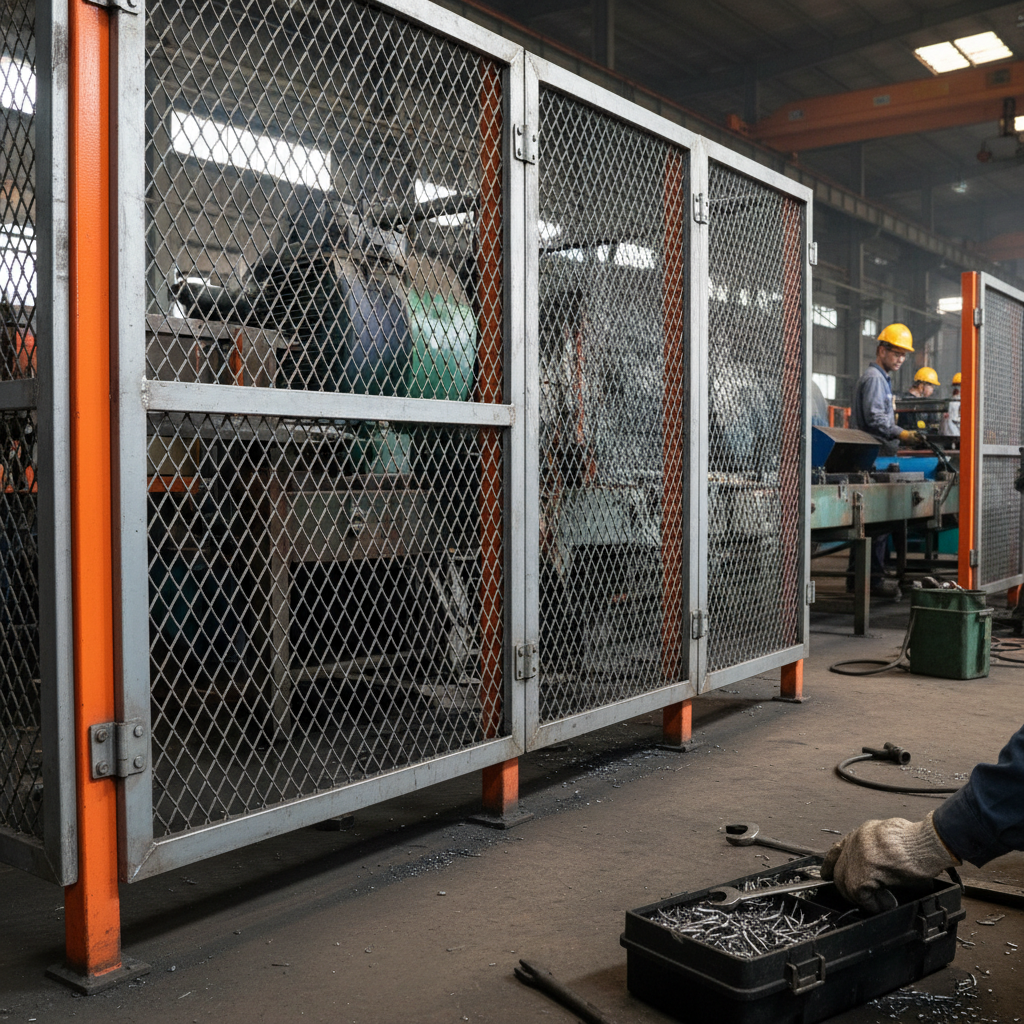
Mesh paneling refers to a woven or knitted structure created from various materials such as nylon, polyester, polypropylene, or even metal. It's characterized by open spaces between the yarns or wires, resulting in a net-like appearance. This open structure is what grants mesh its defining properties. The size and shape of these openings, the density of the weave, and the material used all contribute to the specific characteristics of the mesh. Peiling Tech specializes in creating custom mesh solutions to meet diverse needs.
Key Benefits: Breathability, flexibility, lightweight nature, durability, and potential for unique aesthetic designs.
Applications of Mesh Paneling Across Industries
The versatility of mesh paneling translates into a wide spectrum of applications. In the sports and outdoor industries, it's commonly found in athletic apparel for ventilation, in backpacks for weight reduction and airflow, and in protective gear for impact absorption. Within the automotive sector, mesh is used in radiator grilles, speaker covers, and interior ventilation systems. Industrial applications include filtration systems, conveyor belts, and safety screens. Architecturally, mesh can be used for facade cladding, sun shading, and decorative elements. Each application leverages the unique characteristics of mesh to improve performance and aesthetics.
Common Industries Utilizing Mesh Paneling:
• Sports and Recreation
• Automotive
• Industrial Manufacturing
• Architecture and Construction
Mesh Paneling Materials: A Comparative Overview
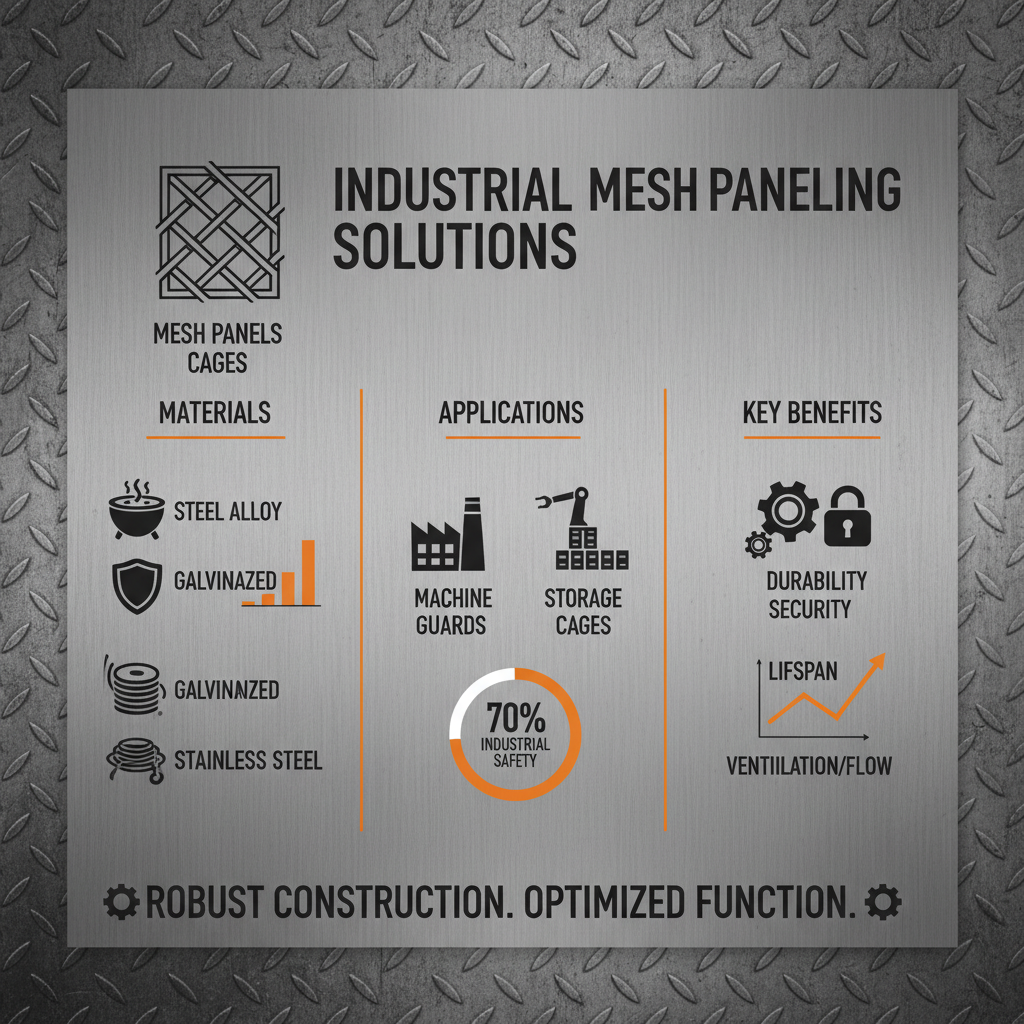
The choice of material significantly impacts the performance and suitability of mesh paneling for a given application. Nylon offers excellent strength and abrasion resistance. Polyester provides good UV resistance and is often more cost-effective. Polypropylene is lightweight and resistant to chemicals and moisture. Metal meshes, such as stainless steel, offer high strength and durability, ideal for industrial filtering and security applications. The following table provides a more detailed comparison:
Customization Options for Mesh Paneling
Beyond material selection, a wealth of customization options exists for mesh paneling. These include varying mesh density (affecting airflow and visibility), mesh opening shape (square, hexagonal, diamond), color options, and surface treatments (such as coatings for added durability or fire resistance). Peiling Tech offers a comprehensive range of customization services, allowing you to tailor the mesh to your precise specifications.
Looking Ahead: Future Trends in Mesh Technology
The field of mesh technology is continually evolving. Emerging trends include the development of smart meshes with integrated sensors, self-healing meshes that can repair minor damage, and biodegradable meshes for environmentally conscious applications. These advancements promise even greater functionality and sustainability in the future. Staying informed about these developments will be crucial for innovators seeking to leverage the full potential of mesh paneling.
Conclusion: The Power of Versatility
Mesh paneling represents a powerful design solution across a multitude of industries. Its unique combination of properties – breathability, strength, flexibility, and customizability – make it an ideal material for a wide range of applications. By carefully considering material selection and customization options, and exploring the latest innovations in mesh technology, you can unlock its full potential and create truly groundbreaking products.
Frequently Asked Questions (FAQs)
What are the typical applications of mesh paneling in the automotive industry?
Mesh paneling is extensively used in the automotive sector for various components. You’ll find it in radiator grilles for optimal airflow and engine cooling, speaker covers to protect delicate components while allowing sound transmission, and in interior ventilation systems for air circulation. It's also used in seat construction for comfort and breathability. The lightweight nature of mesh contributes to overall vehicle weight reduction, improving fuel efficiency.
How does mesh paneling contribute to sustainability?
Mesh paneling can contribute to sustainability in several ways. Its lightweight properties reduce material consumption and transportation costs. The use of recycled materials in mesh production is becoming increasingly common. Furthermore, the breathability of mesh can reduce the need for energy-intensive cooling systems in applications like apparel and building facades. The development of biodegradable mesh materials further enhances its sustainability profile.
What factors should I consider when choosing a mesh density?
Selecting the appropriate mesh density depends heavily on the application. Higher densities offer greater strength and reduced visibility, making them suitable for security screens and filtration systems. Lower densities provide enhanced airflow and flexibility, ideal for apparel and ventilation applications. Consider the size of particles you need to filter (if applicable), the level of visibility required, and the desired degree of flexibility when making your selection.
Can mesh paneling be used outdoors?
Yes, but material selection is crucial. Polyester and stainless steel are excellent choices for outdoor applications due to their UV resistance and durability. Nylon can be used, but may degrade over time with prolonged exposure to sunlight. It's important to consider the climate and environmental conditions when selecting a mesh material for outdoor use. Protective coatings can also extend the lifespan of the mesh in harsh environments.
-
Complete Guide to Choosing a Durable 4 foot wire fence rollNewsApr.16,2026
-
Guide to Choosing the Best Square Wire Fencing Roll for SecurityNewsApr.16,2026
-
High Quality Steel Welded Wire Rolled Fencing for Secure BoundariesNewsApr.16,2026
-
High Quality Black Fence Roll for Secure and Discreet PerimeterNewsApr.16,2026
-
Ultimate Guide to Temporary Fence Roll for Site Security and SafetyNewsApr.16,2026
-
High Quality Garden Mesh Roll Guide for Protecting Green SpaceNewsApr.09,2026