-

-
 Whatsapp:+86 17732187393
 -


Find High Quality Rolls of Barbed Wire for Sale at Peiling Tech
Rolls of Barbed Wire for Sale: A Comprehensive Guide
Looking for reliable and durable rolls of barbed wire for sale? Peiling Tech offers a wide selection of high-quality barbed wire to meet your security and fencing needs. From agricultural applications to perimeter security, we provide solutions tailored to various industries. Understanding the different types, specifications, and applications of barbed wire is crucial for making an informed purchase. This article will provide a detailed overview to help you choose the right barbed wire for your specific requirements.
Understanding the Different Types of Barbed Wire
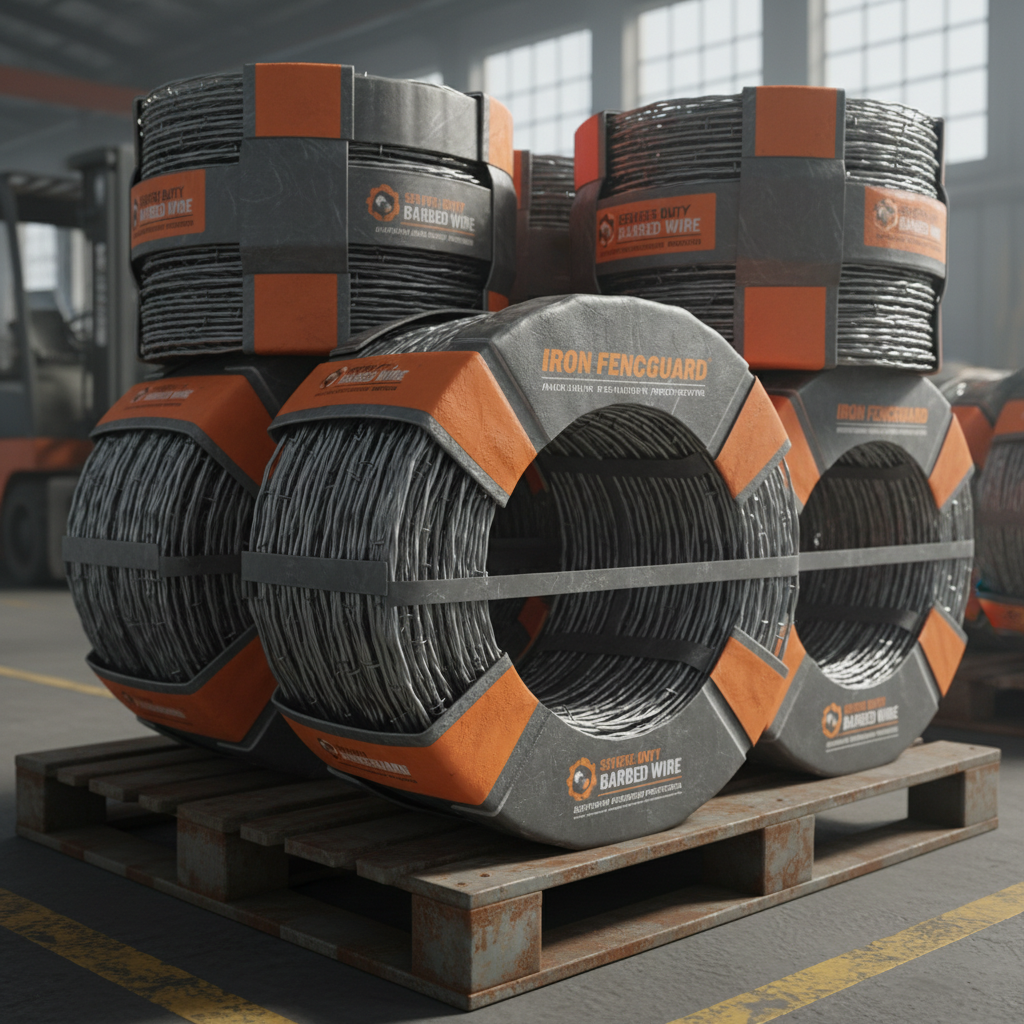
Barbed wire isn't a one-size-fits-all product. Several types are available, each with unique characteristics. The most common types include PVC coated barbed wire, galvanized barbed wire, and stainless steel barbed wire. PVC coating adds an extra layer of protection against corrosion and extends the lifespan of the wire, making it ideal for harsh environments. Galvanized barbed wire offers good corrosion resistance at a more affordable price point. Stainless steel barbed wire provides the highest level of corrosion resistance, making it perfect for coastal areas or corrosive environments. Choosing the right type depends on your budget, environmental conditions, and desired longevity.
Key Considerations: PVC coating provides superior corrosion resistance, galvanized offers a balance of cost and protection, and stainless steel is best for extremely corrosive environments.
Applications of Rolls of Barbed Wire
The applications for rolls of barbed wire are diverse. In agriculture, it’s used to fence livestock and protect crops. For security purposes, it’s employed around industrial sites, prisons, military bases, and residential properties. It’s also used in erosion control, particularly on slopes where vegetation needs support. The versatility of barbed wire makes it a valuable asset in various scenarios. The gauge and spacing of the barbs determine the level of security, with closer spacing and thicker wire offering greater protection.
Common Applications:
• Agricultural Fencing
• Perimeter Security
• Erosion Control
• Industrial Site Protection
Barbed Wire Specifications: A Detailed Comparison
Understanding barbed wire specifications is key to choosing the right product. Specifications include wire gauge (thickness), barb spacing, barb type, and finish. Wire gauge is measured in millimeters or AWG (American Wire Gauge). Lower AWG numbers indicate thicker wire. Barb spacing determines the density of the barbs, affecting the level of security. Common barb types include two-point, four-point, and helical. The finish, as mentioned earlier, determines corrosion resistance. We at Peiling Tech, provide detailed specifications for all our products.
Choosing the Right Supplier for Your Barbed Wire Needs
Selecting a reputable supplier is just as important as choosing the right type of barbed wire. Look for a supplier with a proven track record, competitive pricing, and a commitment to quality. Peiling Tech is a leading provider of barbed wire, offering a wide range of products and exceptional customer service. We pride ourselves on delivering high-quality products on time and within budget. We also offer customization options to meet your specific requirements.
Conclusion: Secure Your Property with Peiling Tech’s Barbed Wire
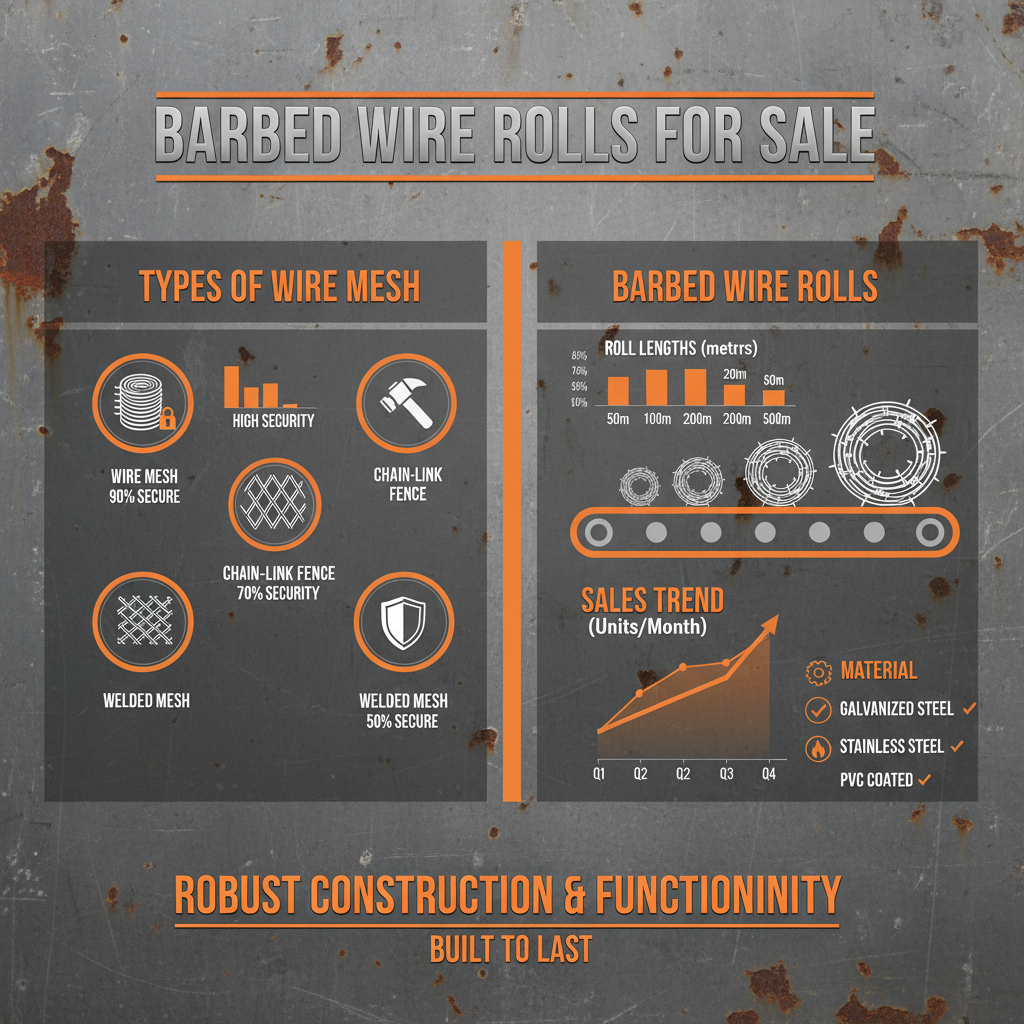
Investing in security is a vital decision, and choosing the right rolls of barbed wire for sale is the first step. Peiling Tech offers a comprehensive selection, competitive pricing, and a commitment to quality. Protect your property and livestock with our durable and reliable barbed wire solutions. Contact us today for a quote and let us help you find the perfect barbed wire for your needs.
Frequently Asked Questions (FAQs)
What is the recommended post spacing for barbed wire fencing?
The recommended post spacing for barbed wire fencing typically ranges from 8 to 12 feet, depending on the terrain and the type of livestock being contained. Closer spacing is needed for uneven ground or to contain smaller animals. Corner and end posts should be more substantial and securely anchored to withstand the tension of the wire. Proper post spacing ensures the fence remains taut and effective over time. Consulting with a fencing professional can help you determine the optimal post spacing for your specific application.
How do I properly tension barbed wire?
Proper tensioning is crucial for an effective barbed wire fence. Use a wire stretcher to apply even tension across the length of the wire. Avoid over-tensioning, as this can damage the posts and wire. The wire should be taut enough to prevent sagging but not so tight that it puts excessive strain on the fence structure. Regularly inspect the tension and re-tension as needed, especially after initial installation and after periods of extreme weather.
What safety precautions should I take when working with barbed wire?
Working with barbed wire requires careful attention to safety. Always wear heavy-duty gloves, long sleeves, and eye protection to prevent injuries. Be mindful of the sharp barbs and avoid contact with skin. Use appropriate tools for cutting and handling the wire. When installing or repairing a fence, ensure the area is clear of people and animals. Proper safety practices are essential to avoid painful and potentially serious injuries.
-
Complete Guide to Choosing a Durable 4 foot wire fence rollNewsApr.16,2026
-
Guide to Choosing the Best Square Wire Fencing Roll for SecurityNewsApr.16,2026
-
High Quality Steel Welded Wire Rolled Fencing for Secure BoundariesNewsApr.16,2026
-
High Quality Black Fence Roll for Secure and Discreet PerimeterNewsApr.16,2026
-
Ultimate Guide to Temporary Fence Roll for Site Security and SafetyNewsApr.16,2026
-
High Quality Garden Mesh Roll Guide for Protecting Green SpaceNewsApr.09,2026