-

-
 Whatsapp:+86 17732187393
 -


Find High Quality Rolls of Chicken Wire for Sale and Expert Advice
Rolls of Chicken Wire for Sale: A Comprehensive Guide
Looking for reliable rolls of chicken wire for sale? Whether you're securing a garden, building animal enclosures, or undertaking a craft project, choosing the right chicken wire is crucial. This guide provides a detailed overview of chicken wire, its uses, types, and how to select the best option for your needs. We'll explore factors like wire gauge, mesh size, and material to help you make an informed decision. Discover how Peilingtech can provide you with high-quality chicken wire solutions for any application.
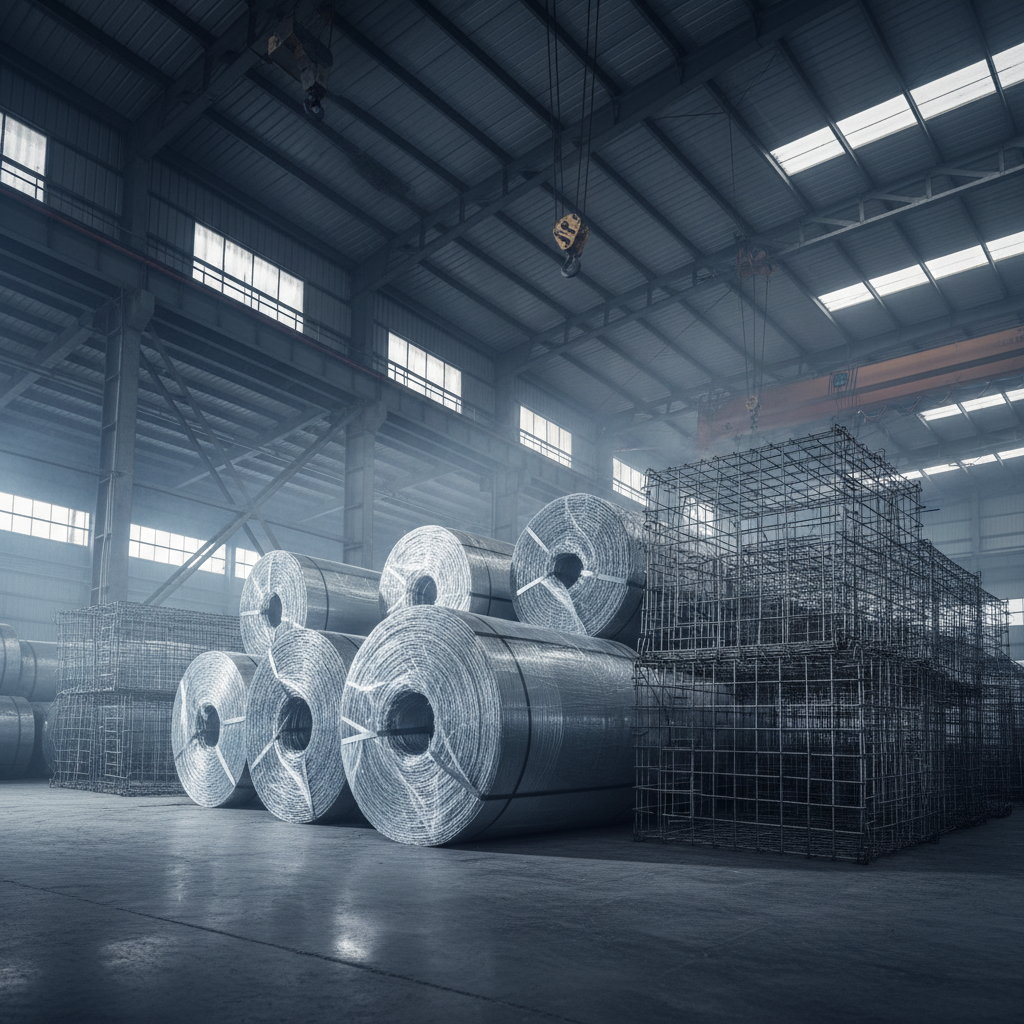
Understanding Chicken Wire: Uses and Applications
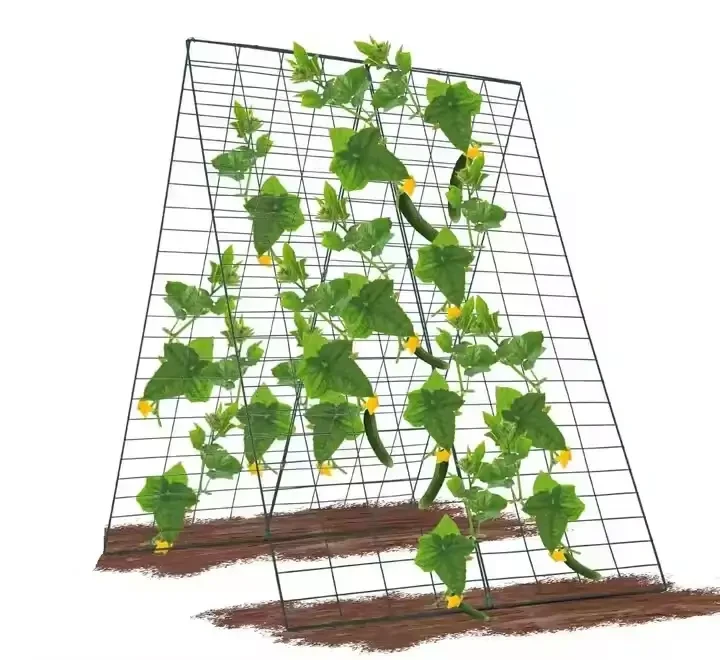
Chicken wire, despite its name, is used for far more than just chicken coops. Its versatility makes it a staple in various applications. Common uses include creating protective enclosures for gardens (keeping out rabbits and other pests), building animal cages and pens, supporting climbing plants, crafting decorative elements, and even creating barriers for construction sites. The flexible nature of chicken wire allows it to conform to various shapes and surfaces, making it ideal for a wide range of projects. Choosing the correct type of rolls of chicken wire is vital for project success.
Key Highlights: Chicken wire is incredibly versatile, with uses ranging from garden protection to animal enclosures and crafting.
Key Factors When Buying Rolls of Chicken Wire
When purchasing rolls of chicken wire, several factors must be considered. Wire gauge (thickness) determines the strength and durability of the wire; lower gauges indicate thicker, stronger wire. Mesh size refers to the size of the openings in the wire – smaller mesh sizes are better for containing smaller animals. The material (typically galvanized steel, PVC-coated steel, or stainless steel) affects corrosion resistance and longevity. The length of the roll and the width of the wire are also important considerations based on your project's scale.
Important Considerations:
• Wire Gauge: Thickness of the wire for strength.
• Mesh Size: Size of openings for containment.
• Material: Galvanized steel, PVC-coated, or stainless steel for corrosion resistance.
• Roll Length & Width: Based on project scale.
Comparing Chicken Wire Materials: Galvanized Steel vs. PVC Coated vs. Stainless Steel
The material of your chicken wire significantly impacts its lifespan and suitability for different environments. Galvanized steel is the most common and affordable option, offering good corrosion resistance. However, the zinc coating can wear off over time, especially in harsh weather. PVC-coated steel provides a more durable barrier against corrosion, making it ideal for outdoor applications. Stainless steel is the most expensive but offers the highest level of corrosion resistance, making it perfect for marine or chemically exposed environments. Choosing the right material for your rolls of chicken wire ensures long-term performance.
Why Choose Peilingtech for Your Chicken Wire Needs?
At Peilingtech, we pride ourselves on delivering high-quality rolls of chicken wire at competitive prices. We offer a wide selection of wire gauges, mesh sizes, and materials to meet your specific requirements. Our commitment to customer satisfaction means we provide reliable products, fast shipping, and expert support. We understand the importance of durability and reliability, and our chicken wire is manufactured to the highest standards.
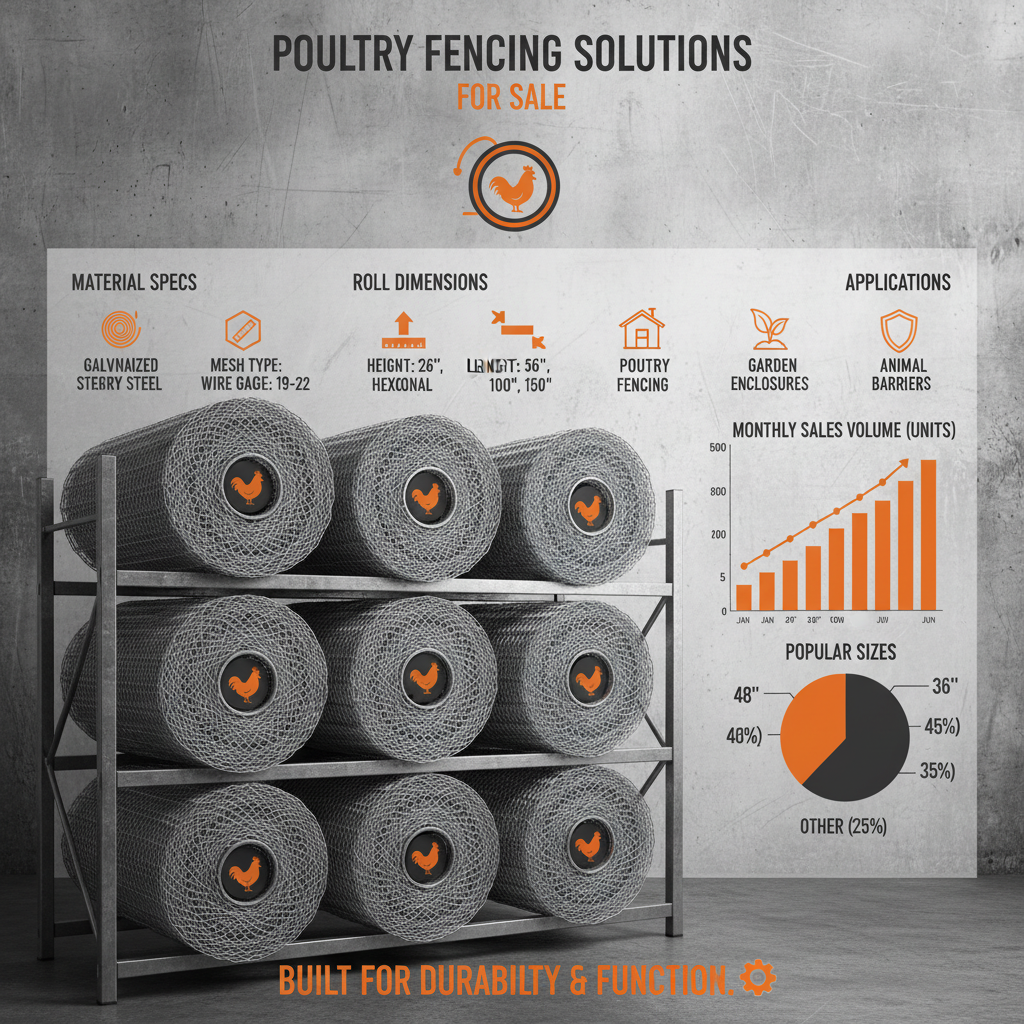
Product Specifications & Options Available
We offer a comprehensive range of chicken wire specifications to suit diverse project needs. Below is a table highlighting key options:
Conclusion: Finding the Right Chicken Wire with Peilingtech
Choosing the right rolls of chicken wire is essential for the success and longevity of your project. Peilingtech offers a comprehensive selection of high-quality chicken wire, competitive pricing, and exceptional customer service. We're committed to helping you find the perfect solution for your needs. Contact us today to discuss your requirements and receive a quote!
Frequently Asked Questions (FAQs)
What wire gauge should I choose for keeping rabbits out of my garden?
For effective rabbit control, a wire gauge of 19 or 20 is highly recommended. These thicker gauges are more resistant to chewing and bending than lighter gauges. A smaller mesh size (1/2" or 1") is also crucial, as rabbits can squeeze through larger openings. Combining a lower gauge wire with a smaller mesh size provides a robust barrier against these persistent garden pests. Consider PVC-coated steel for added durability and longevity, as it will withstand outdoor conditions better than standard galvanized steel.
How do I safely handle chicken wire during installation?
Chicken wire can have sharp edges, so it's crucial to wear gloves and protective clothing during installation. Use wire cutters or heavy-duty scissors to cut the wire to the desired length. Be careful when bending or shaping the wire, as it can spring back. Avoid direct skin contact with the wire, and always wear eye protection to prevent injury from flying wire fragments. Consider using hog rings or zip ties to securely fasten the wire to posts or frames.
Can chicken wire be used for building animal enclosures for larger animals like goats?
While chicken wire can be part of an enclosure for larger animals like goats, it's generally not strong enough to be the sole containment material. Goats are known to be strong and resourceful, and they can easily break through chicken wire. It’s best to combine chicken wire with sturdier materials like woven wire fencing or wood posts. A thicker gauge wire (19 or lower) and a smaller mesh size are essential, and the enclosure should be reinforced at the bottom to prevent digging.
What is the best way to prevent chicken wire from rusting?
While galvanized steel offers some rust resistance, it's not entirely immune to corrosion. To prevent rusting, consider using PVC-coated chicken wire, which provides a superior barrier against moisture. For galvanized steel, you can apply a rust-inhibiting primer and paint. Regularly inspect the wire for signs of rust and address any issues promptly. Avoid prolonged exposure to saltwater or harsh chemicals, as these can accelerate the rusting process.
-
Complete Guide to Choosing a Durable 4 foot wire fence rollNewsApr.16,2026
-
Guide to Choosing the Best Square Wire Fencing Roll for SecurityNewsApr.16,2026
-
High Quality Steel Welded Wire Rolled Fencing for Secure BoundariesNewsApr.16,2026
-
High Quality Black Fence Roll for Secure and Discreet PerimeterNewsApr.16,2026
-
Ultimate Guide to Temporary Fence Roll for Site Security and SafetyNewsApr.16,2026
-
High Quality Garden Mesh Roll Guide for Protecting Green SpaceNewsApr.09,2026