-

-
 Whatsapp:+86 17732187393
 -


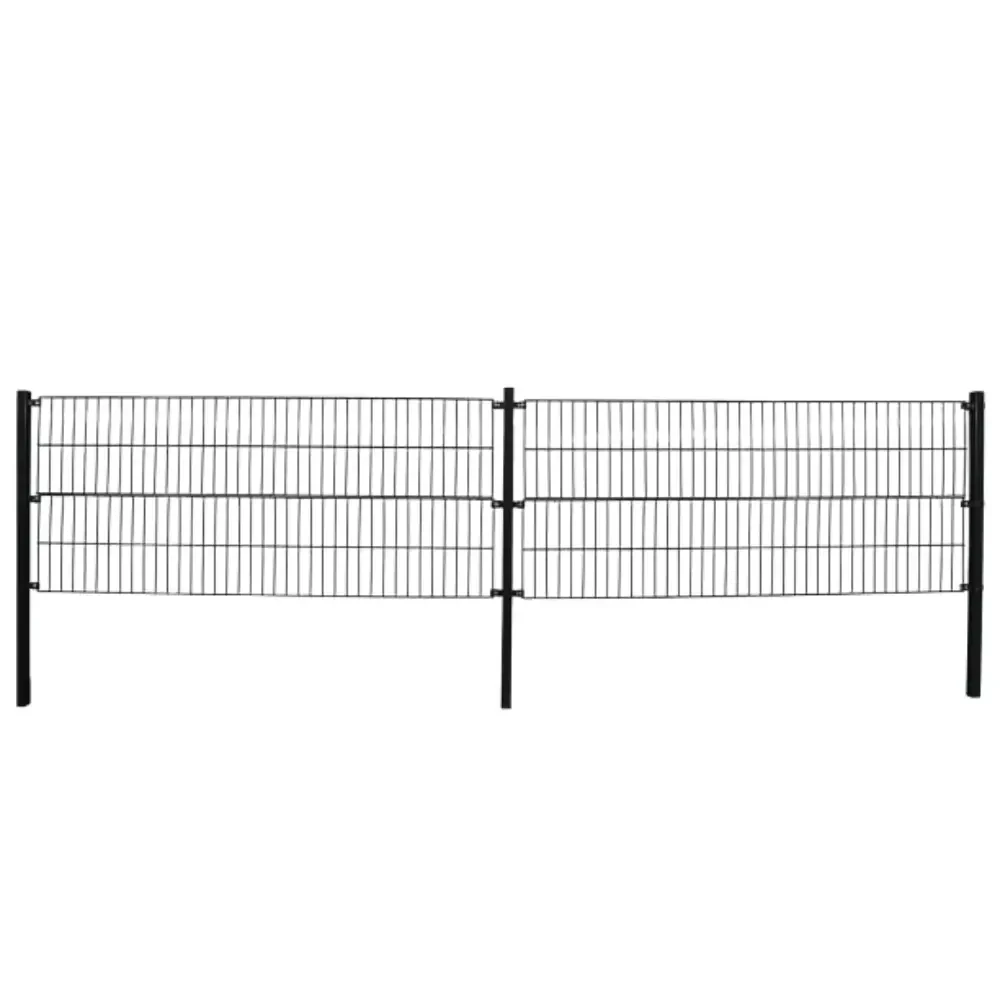
Optimize Sheep Management with Durable Sheep Yard Mesh Panels
Choosing the Right Sheep Yard Mesh Panels for Efficient Livestock Management
Effective livestock management relies on robust and reliable infrastructure. Sheep yard mesh panels are a crucial component of any successful sheep farming operation, offering a safe, secure, and versatile solution for containing and managing sheep. This article will explore the benefits, types, and key considerations when selecting the best sheep yard mesh panels for your needs, helping you optimize your farm's efficiency and animal welfare. Investing in the right panels can significantly improve handling procedures and reduce stress on your flock.
The Benefits of Using Sheep Yard Mesh Panels
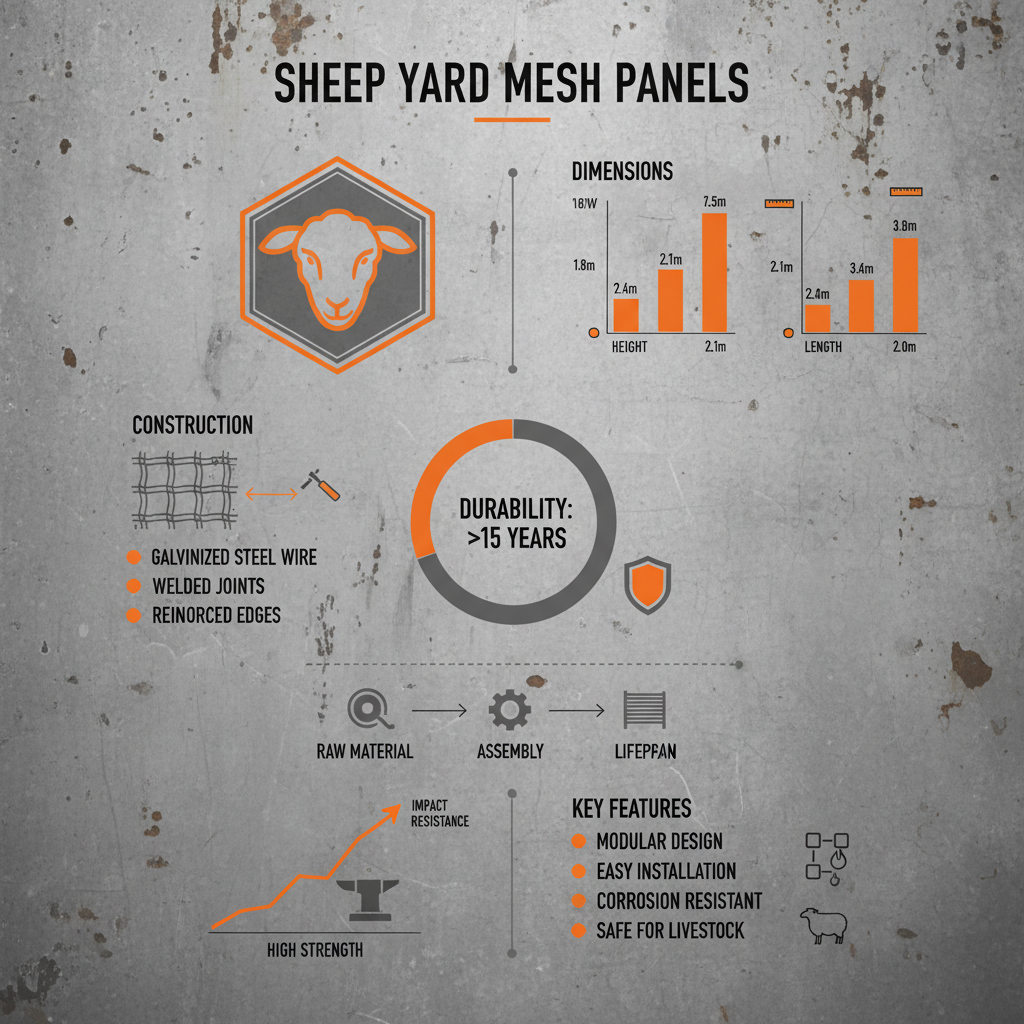
Sheep yard mesh panels provide numerous advantages over traditional fencing materials like wood or barbed wire. Firstly, they are significantly safer for sheep, reducing the risk of injuries caused by sharp edges or splinters. Secondly, mesh panels offer excellent visibility, allowing for easy monitoring of the flock. They are also incredibly durable and resistant to corrosion, ensuring a long service life with minimal maintenance. Furthermore, their modular design makes them easy to install, reconfigure, and transport, providing flexibility as your farm's needs evolve. Choosing the right sheep yard mesh panels is a key step in optimizing your sheep farming operation.
Key Highlights: Sheep yard mesh panels offer a safer, more durable, and more flexible alternative to traditional fencing solutions, improving animal welfare and farm efficiency.
Types of Sheep Yard Mesh Panels
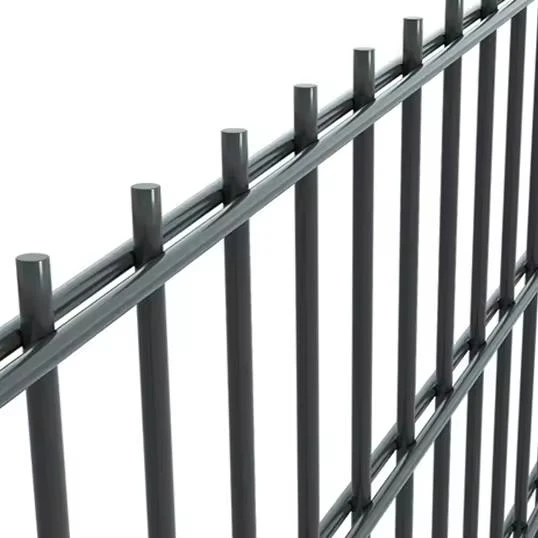
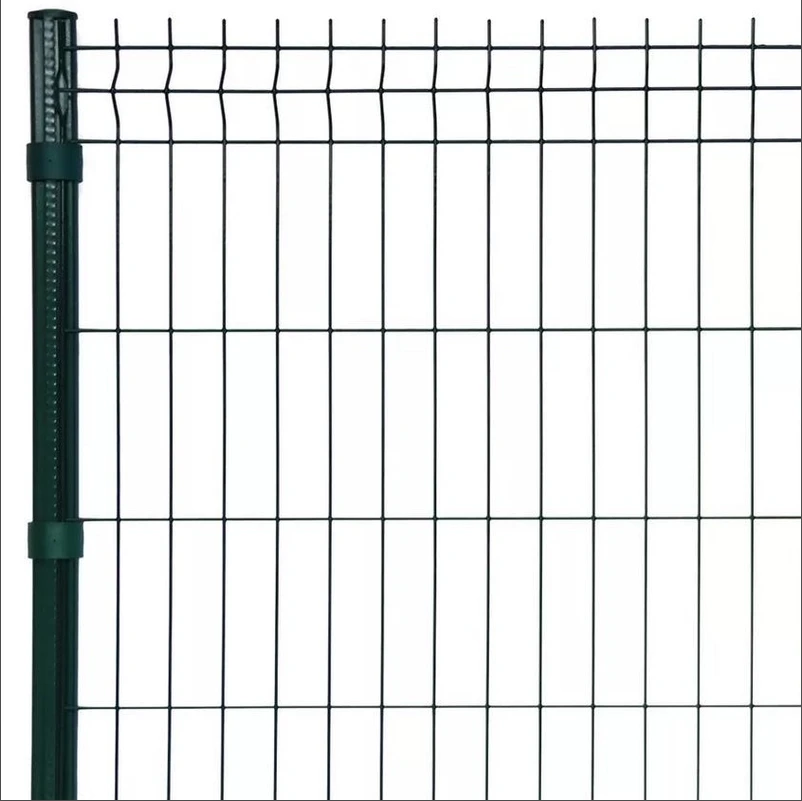
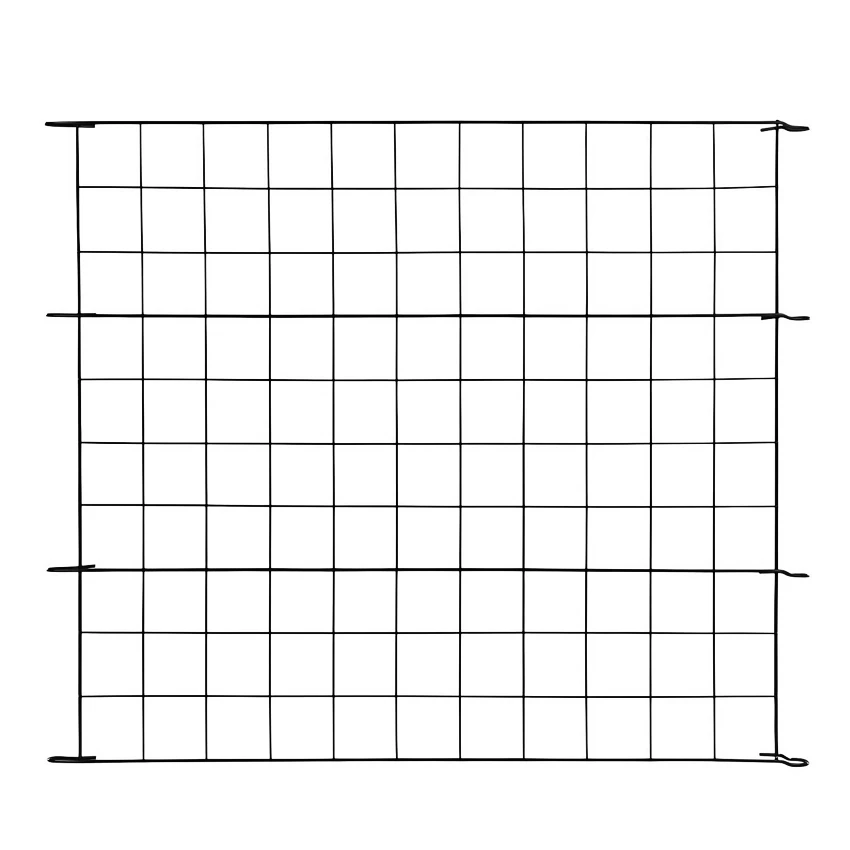
There are several types of sheep yard mesh panels available, each with its own characteristics and suitability for different applications. Common options include welded wire mesh panels, sheep wire mesh panels, and cattle panels adapted for sheep. Welded wire mesh panels are typically lighter and more affordable, suitable for containing smaller breeds or lambs. Sheep wire mesh panels feature smaller openings, preventing sheep from sticking their heads through and becoming entangled. Cattle panels, while stronger, may have larger openings that require additional reinforcement. The best choice depends on your sheep breed, the size of your flock, and the level of security required.
Mesh Panel Type Comparison:
• Welded Wire Mesh: Affordable, lightweight, suitable for smaller breeds.
• Sheep Wire Mesh: Smaller openings prevent entanglement, ideal for all sheep breeds.
• Cattle Panels (Adapted): Strongest option, may require additional reinforcement for sheep.
Sheep Yard Mesh Panels: Key Specifications to Consider
When selecting sheep yard mesh panels, consider several crucial specifications. Wire gauge (thickness) affects the panel's strength and durability; thicker wire is more resistant to bending and breaking. Mesh opening size is critical for preventing sheep from escaping or becoming injured. Panel height should be appropriate for your sheep breed, ensuring they cannot jump over. Panel length determines the amount of fencing you can cover with each section. Finally, consider the coating type (galvanized, powder-coated) as it impacts corrosion resistance.
Factors Influencing Sheep Yard Panel Cost
The cost of sheep yard mesh panels can vary significantly depending on several factors. These include the type of panel (welded wire, sheep wire, cattle panel), the wire gauge, panel height and length, coating type, and the supplier. Purchasing in bulk can often result in significant cost savings. Transportation costs also need to be considered, especially if you are located in a remote area. It's wise to obtain quotes from multiple suppliers and compare prices, ensuring you are getting a quality product at a competitive rate. Peilingtech offers competitive pricing and high-quality sheep yard mesh panels.
Installation and Maintenance Tips
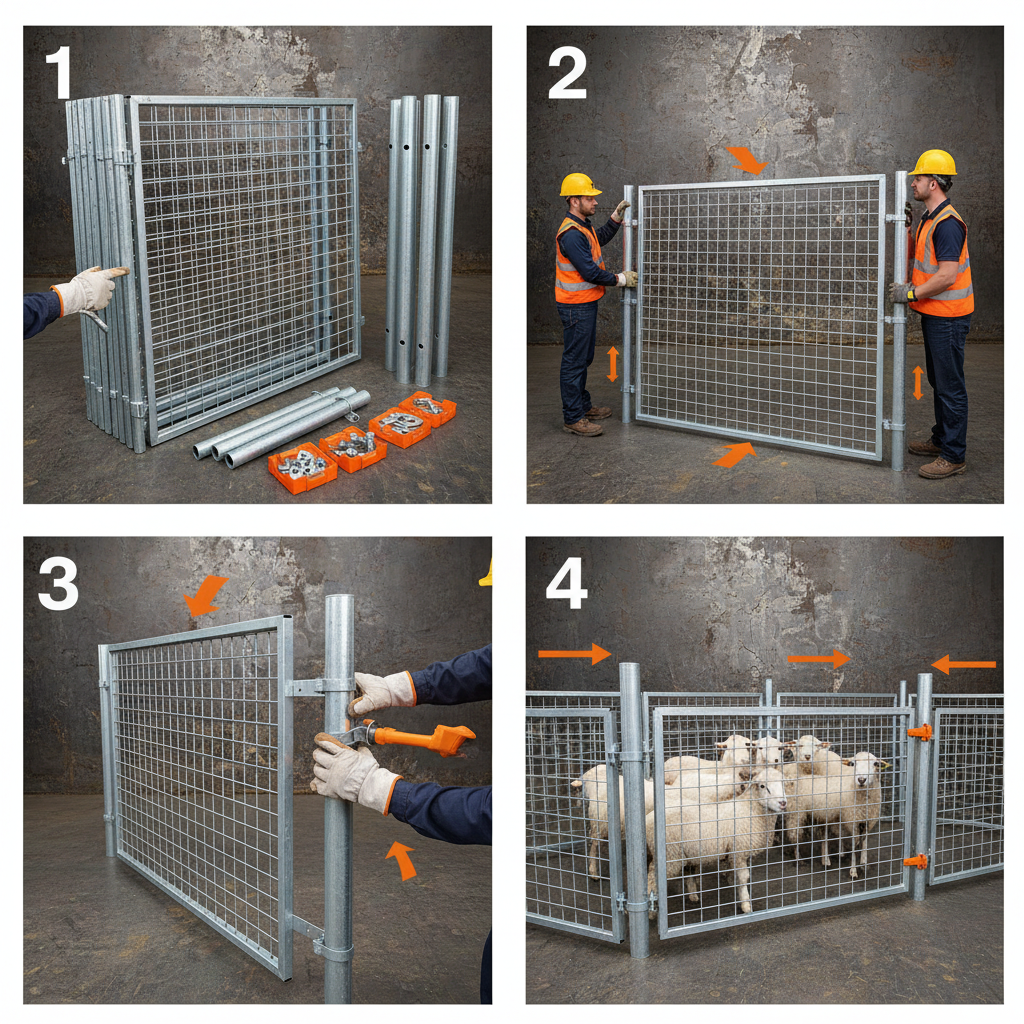
Proper installation is crucial for the longevity and effectiveness of your sheep yard mesh panels. Ensure the posts are securely anchored in the ground and spaced appropriately according to the panel length. Use appropriate connectors to join panels together, ensuring a smooth and secure connection. Regularly inspect the panels for damage, such as bent wires or loose connections. Promptly repair any damage to prevent sheep from escaping or becoming injured. Cleaning the panels periodically can help remove debris and maintain their appearance. By following these simple installation and maintenance tips, you can maximize the lifespan of your sheep yard mesh panels and ensure the safety and security of your flock.
Conclusion: Investing in Quality Sheep Yard Panels
Investing in high-quality sheep yard mesh panels is a smart investment for any sheep farmer. They offer a safe, durable, and versatile solution for containing and managing your flock, improving efficiency and animal welfare. By carefully considering the specifications, costs, and installation requirements, you can choose the right panels for your specific needs and create a secure and productive sheep farming operation.
Frequently Asked Questions (FAQs)
What is the best mesh opening size for sheep yard panels?
The ideal mesh opening size depends on the size and breed of your sheep. For lambs and smaller breeds, a smaller opening (50mm x 50mm) is recommended to prevent escape. For larger breeds, a 50mm x 100mm opening may suffice. The key is to ensure the opening is small enough to prevent sheep from getting their heads stuck, which can lead to injury. Consider the specific needs of your flock when making your selection.
How do I properly secure sheep yard mesh panels to posts?
Use appropriate connectors designed for mesh panels, such as wire ties, hog rings, or specialized panel clamps. Ensure the connectors are securely fastened to both the panel and the post. Space the connectors evenly along the panel's length for optimal support. For added stability, consider using bracing wires between the panels and posts. Proper securing is crucial for preventing panels from shifting or collapsing.
What is the difference between galvanized and powder-coated sheep yard panels?
Galvanized panels are coated with a layer of zinc, providing excellent corrosion resistance. Powder-coated panels have a layer of polymer powder applied electrostatically and then cured under heat, offering superior durability and a wider range of color options. Powder coating generally provides better chip resistance and a more aesthetically pleasing finish. Both options offer good protection against the elements, but powder coating typically has a longer lifespan.
Are sheep yard mesh panels easy to repair?
Yes, sheep yard mesh panels are relatively easy to repair. Minor damage, such as bent wires, can often be straightened with pliers. Broken wires can be replaced or repaired using wire ties or welding. For more significant damage, it may be necessary to replace the affected panel section. Having spare panels on hand can simplify the repair process.
-
Complete Guide to Choosing a Durable 4 foot wire fence rollNewsApr.16,2026
-
Guide to Choosing the Best Square Wire Fencing Roll for SecurityNewsApr.16,2026
-
High Quality Steel Welded Wire Rolled Fencing for Secure BoundariesNewsApr.16,2026
-
High Quality Black Fence Roll for Secure and Discreet PerimeterNewsApr.16,2026
-
Ultimate Guide to Temporary Fence Roll for Site Security and SafetyNewsApr.16,2026
-
High Quality Garden Mesh Roll Guide for Protecting Green SpaceNewsApr.09,2026