-

-
 Whatsapp:+86 17732187393
 -


Comprehensive Guide to Choosing Durable Metal Deer Fence Rolls for Property Protection
Choosing the Right Metal Deer Fence Rolls for Your Property
Protecting your garden, farmland, or property from deer can be a significant challenge. Fortunately, metal deer fence rolls offer a durable and effective solution. This article will delve into the benefits of metal deer fencing, explore different types, discuss installation considerations, and help you choose the best option for your needs. Investing in a quality fence will save you time, money, and frustration in the long run, preserving your landscaping and crops.
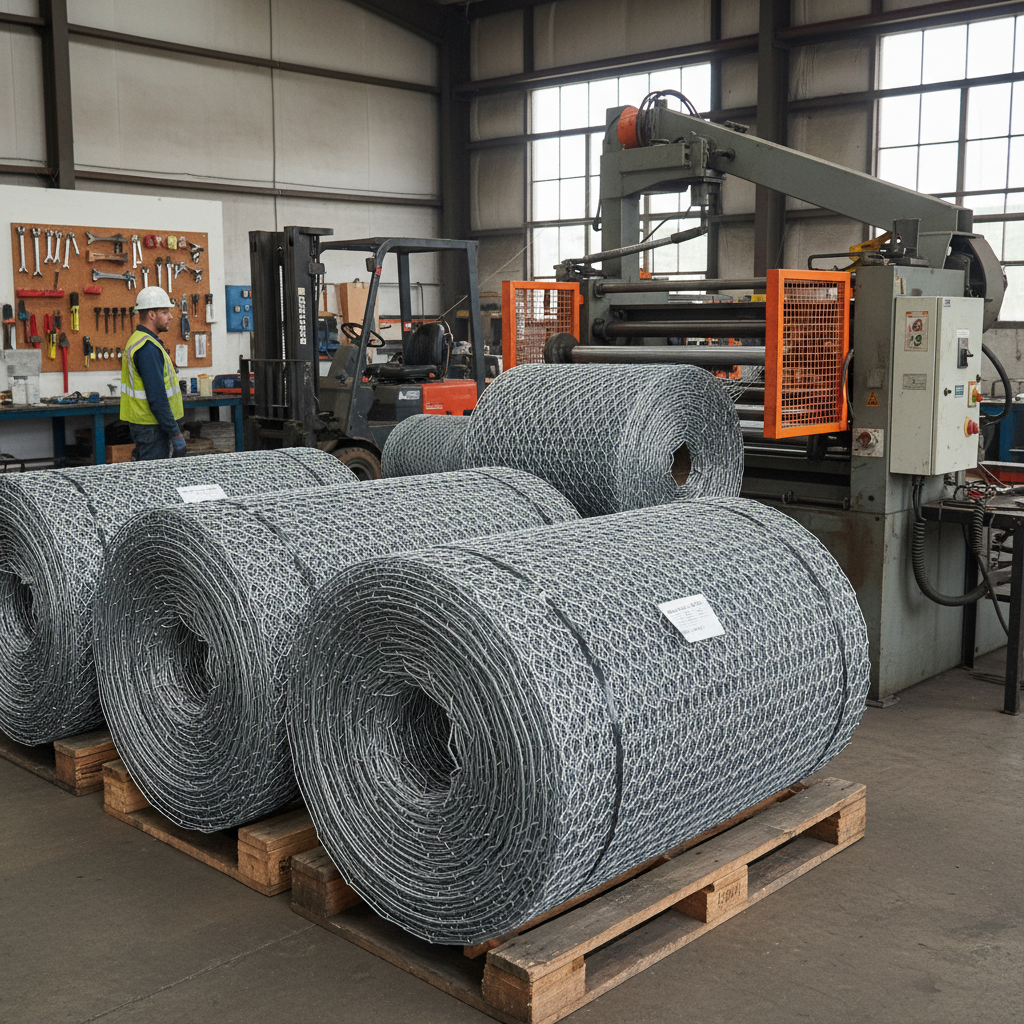
Why Choose Metal Deer Fence Rolls?
Metal deer fence rolls offer several advantages over other fencing materials like plastic or wood. They are significantly more durable and resistant to damage from deer, weather, and other environmental factors. Unlike plastic, metal won’t become brittle in cold weather or degrade from sun exposure. While wood offers a natural look, it requires regular maintenance and is susceptible to rot. Metal fencing provides a long-lasting, low-maintenance solution that effectively deters deer without compromising aesthetics. The strength of metal also means it's less likely to be broken or climbed, offering superior protection for your property. Choosing a metal deer fence is an investment in long-term protection.
Key Benefits: Durable, long-lasting, low-maintenance, resistant to weather and damage, effective deer deterrent, and aesthetically pleasing.
Types of Metal Deer Fence Rolls
Several types of metal deer fence rolls are available, each with its own strengths and weaknesses. The most common options include welded wire, woven wire, and chain link. Welded wire is typically the most affordable and easy to install, but it may not be as strong as other options. Woven wire offers better strength and durability but can be more expensive. Chain link is the strongest but also the least aesthetically pleasing. The best choice for you will depend on your budget, the level of deer pressure in your area, and your aesthetic preferences.
Comparing Metal Fence Types:
• Welded Wire: Affordable, easy installation, moderate strength.
• Woven Wire: High strength, durable, more expensive.
• Chain Link: Very strong, least aesthetic, often the most expensive.
Metal Deer Fence Rolls: Key Specifications to Consider
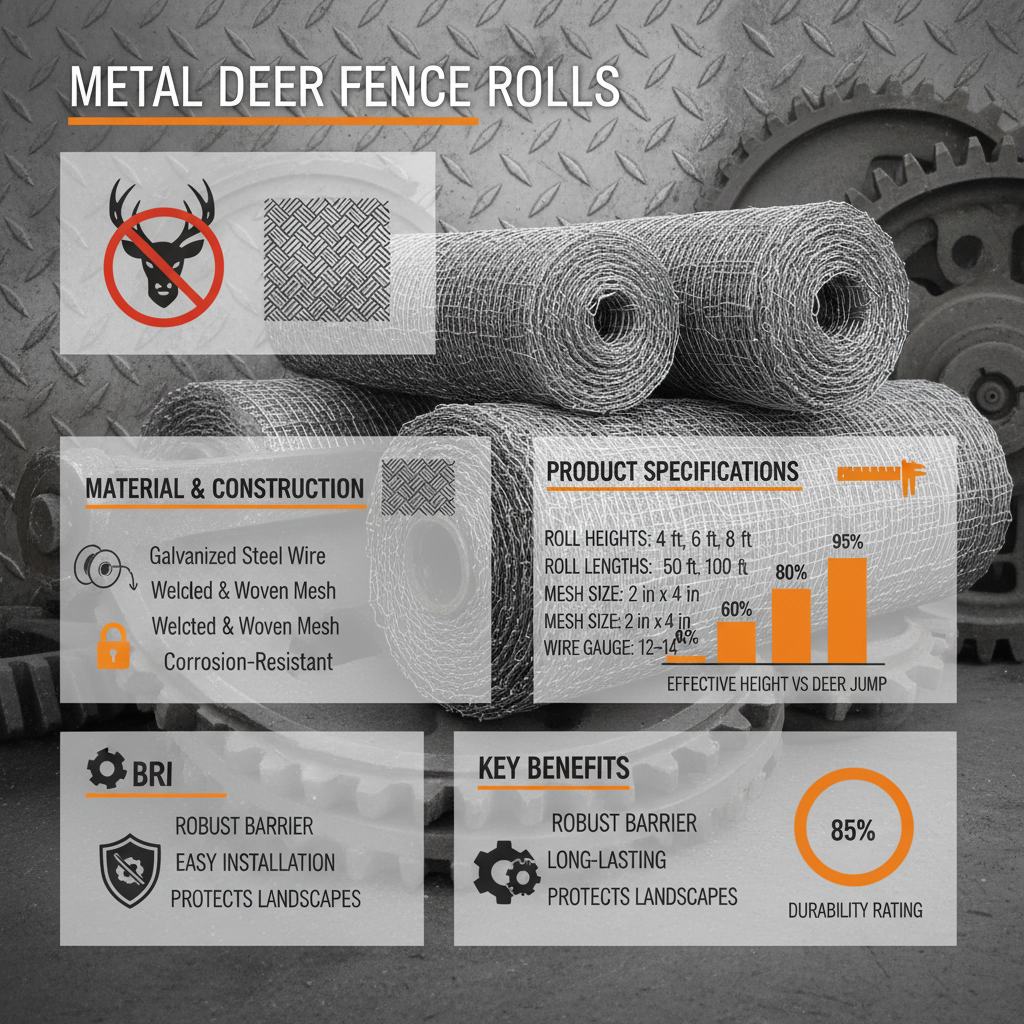
When selecting metal deer fence rolls, several specifications are crucial to consider. These include the gauge of the wire (lower gauge means thicker wire), the mesh size (smaller mesh prevents deer from getting their heads stuck), and the height of the fence (typically 6-8 feet is recommended). Also, consider the coating – galvanized steel provides excellent rust protection, while vinyl-coated options offer additional durability and a more appealing appearance.
Installation Tips for Metal Deer Fence Rolls
Proper installation is crucial for the effectiveness of your deer fence. Start by clearing the area of any vegetation. Use sturdy metal posts, spaced 8-10 feet apart, and ensure they are deeply anchored in the ground. Secure the metal deer fence rolls to the posts using fence clips or wire ties. For optimal deer deterrence, bury the bottom of the fence a few inches below the ground or add an outward-facing wire at the base. Regularly inspect the fence for any damage and make repairs promptly.
Finding the Right Metal Deer Fence Rolls at Peilingtech
At Peilingtech, we offer a wide selection of high-quality metal deer fence rolls to meet your specific needs. We provide various gauges, mesh sizes, heights, and coatings to ensure you find the perfect solution for your property. Our experienced team is available to assist you with product selection and provide expert advice on installation. We are committed to providing durable, effective, and affordable fencing solutions to protect your valuable landscaping and crops.
Conclusion: Protecting Your Property with Quality Metal Fencing
Investing in a metal deer fence is a smart decision for anyone looking to protect their property from deer damage. With its durability, low maintenance, and effectiveness, metal fencing provides long-lasting peace of mind. Browse our selection at Peilingtech and find the perfect solution to safeguard your landscaping and crops.
Frequently Asked Questions (FAQs)
How tall should a deer fence be?
Generally, a deer fence should be at least 8 feet tall to effectively deter most deer. However, in areas with high deer populations or deer known for jumping, a fence height of 10-12 feet might be necessary. The goal is to make the fence taller than the deer can comfortably jump. Consider the terrain around the fence; deer may be able to jump higher from an elevated position. Choosing the right height is crucial for ensuring the fence’s effectiveness.
What is the best mesh size for a deer fence?
A smaller mesh size is preferable for deer fences. A 2x4 inch mesh or smaller will prevent deer from getting their heads stuck in the fence, which can lead to injury or damage to the fence. Larger mesh sizes might seem more cost-effective, but they pose a risk to the deer and can compromise the fence's integrity. A tighter mesh also prevents smaller animals from entering your property.
How often should I inspect my deer fence?
Regular inspections are vital to maintain the effectiveness of your deer fence. Inspect the fence at least twice a year – once in the spring after winter and once in the fall before the winter. Check for any damaged sections, loose wires, or signs of animal intrusion. Promptly repair any damage to prevent deer from finding a way through.
-
Complete Guide to Choosing a Durable 4 foot wire fence rollNewsApr.16,2026
-
Guide to Choosing the Best Square Wire Fencing Roll for SecurityNewsApr.16,2026
-
High Quality Steel Welded Wire Rolled Fencing for Secure BoundariesNewsApr.16,2026
-
High Quality Black Fence Roll for Secure and Discreet PerimeterNewsApr.16,2026
-
Ultimate Guide to Temporary Fence Roll for Site Security and SafetyNewsApr.16,2026
-
High Quality Garden Mesh Roll Guide for Protecting Green SpaceNewsApr.09,2026