-

-
 Whatsapp:+86 17732187393
 -


Comprehensive Guide to Durable Galvanized Wire Fence Roll Solutions
Galvanized Wire Fence Roll: A Comprehensive Guide
When securing your property, agricultural land, or livestock, choosing the right fencing is crucial. A galvanized wire fence roll offers a durable, cost-effective, and versatile solution. This article provides an in-depth look at galvanized wire fencing, covering its benefits, applications, types, installation, and maintenance. Understanding these aspects will help you make an informed decision when selecting fencing for your needs.
What is Galvanized Wire Fence Roll?
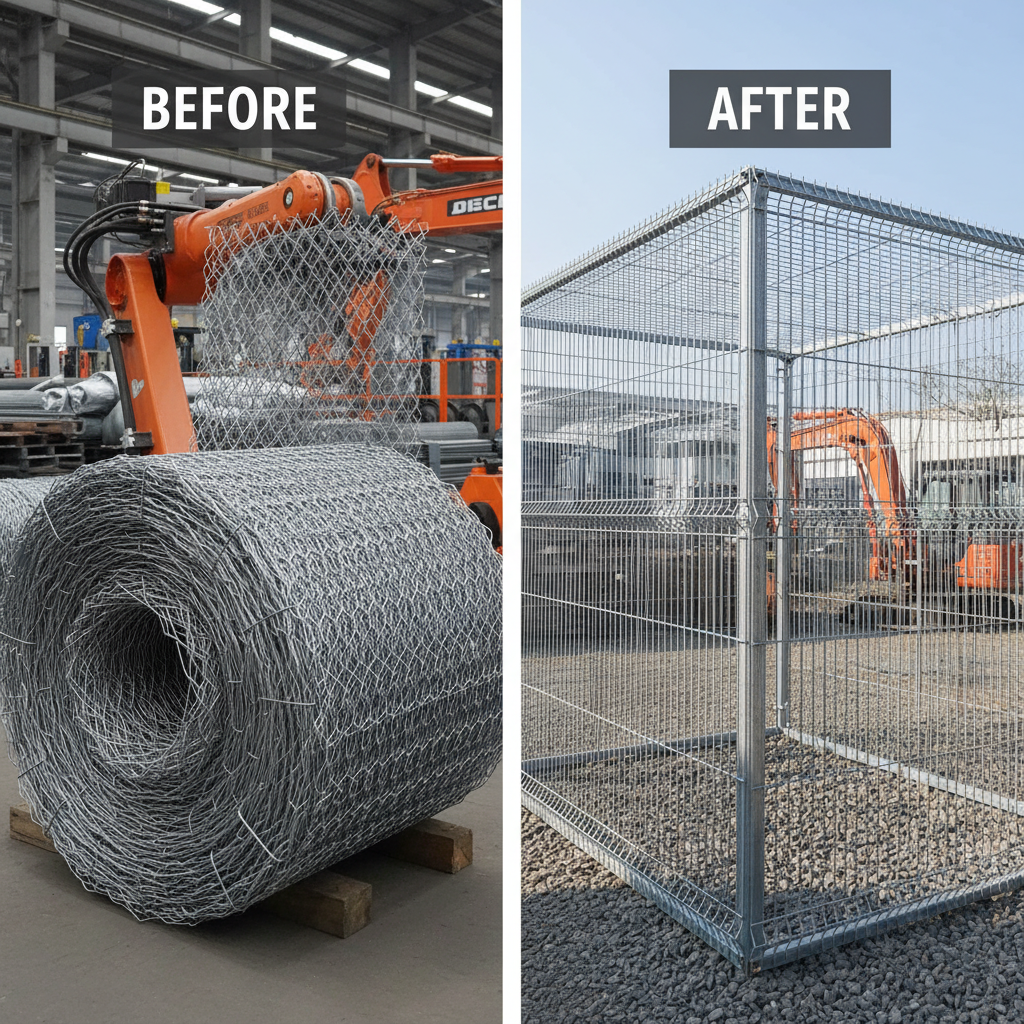
A galvanized wire fence roll is a continuous length of wire mesh, typically woven or welded, that has been coated with zinc through a process called galvanization. This zinc coating protects the steel wire from corrosion and rust, significantly extending the fence’s lifespan. The 'roll' format makes it easy to transport, handle, and install, especially for larger fencing projects. This is a popular choice for farmers, ranchers, and property owners looking for long-lasting, reliable fencing solutions. Galvanization is the key to its durability, making it ideal for outdoor use in various climates.
The Benefits of Choosing Galvanized Wire Fencing
Galvanized wire fencing offers several advantages over other fencing materials. Its primary benefit is its resistance to corrosion, ensuring a long service life. It’s also relatively lightweight and easy to work with, reducing installation time and labor costs. The flexibility of wire rolls allows them to conform to uneven terrain, simplifying the fencing process. Furthermore, galvanized wire is a cost-effective solution, providing excellent value for money. Compared to wood or wrought iron, galvanized wire offers a comparable level of security at a significantly lower price point.
Key Benefits: Resistance to corrosion, long service life, lightweight, easy to install, cost-effective, flexibility for uneven terrain.
Types of Galvanized Wire Fence Roll
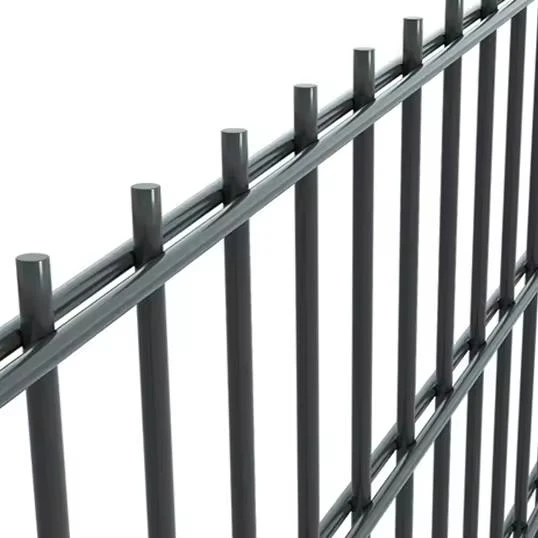
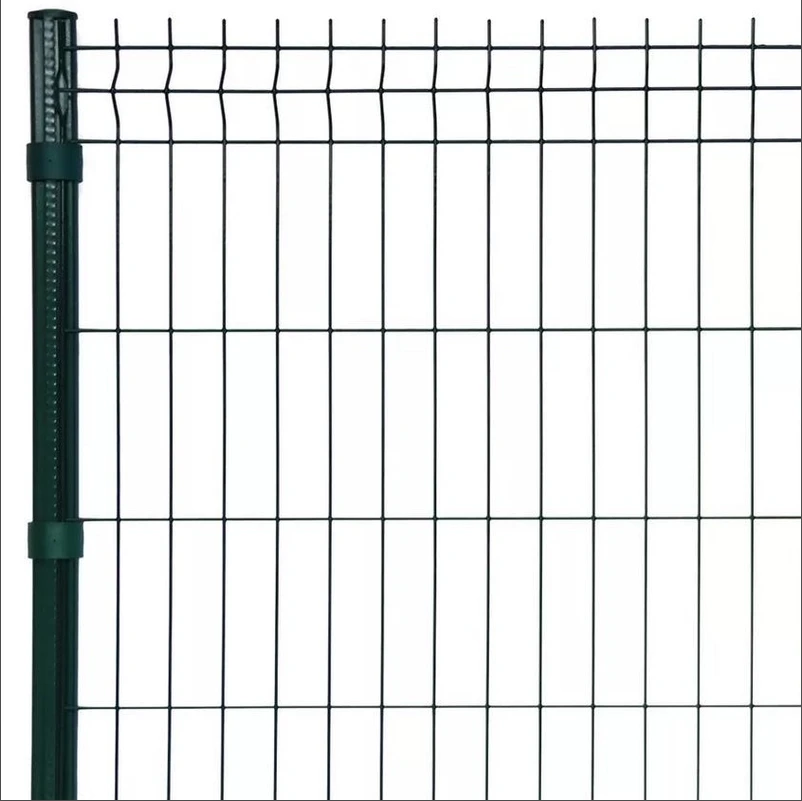
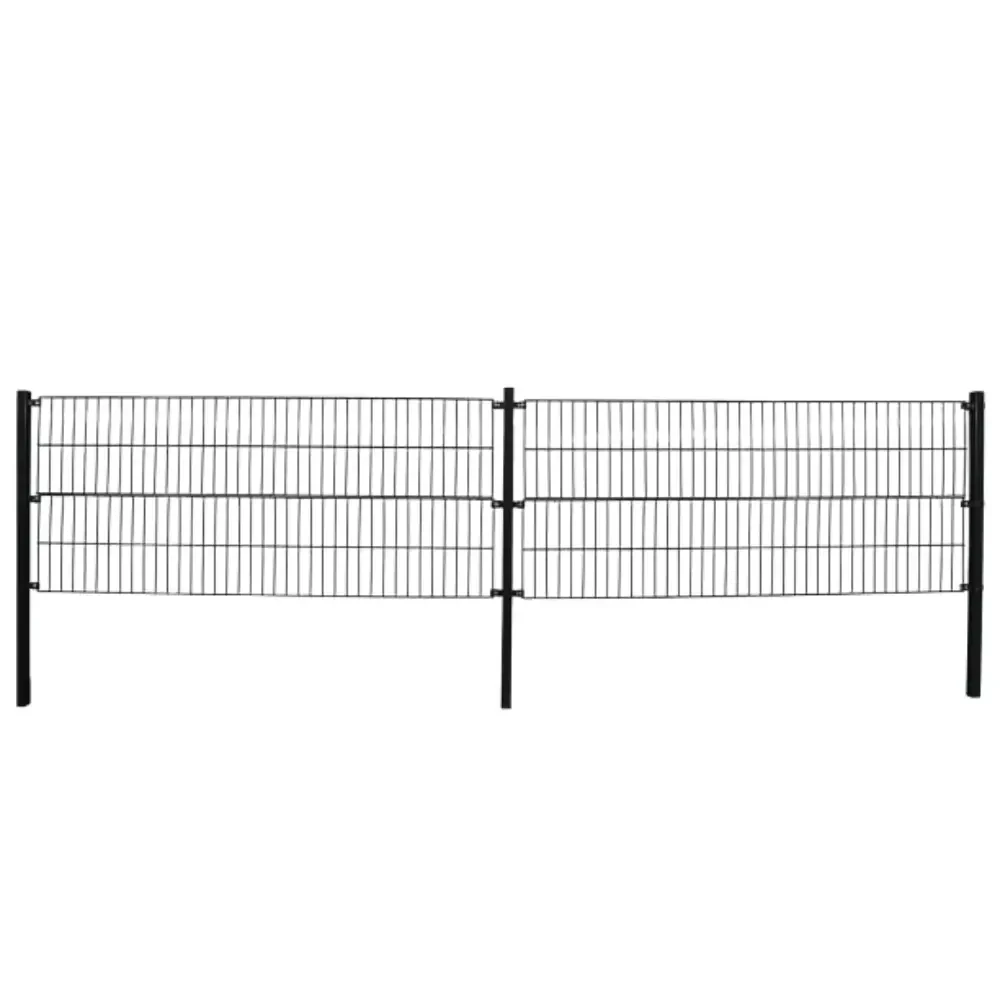
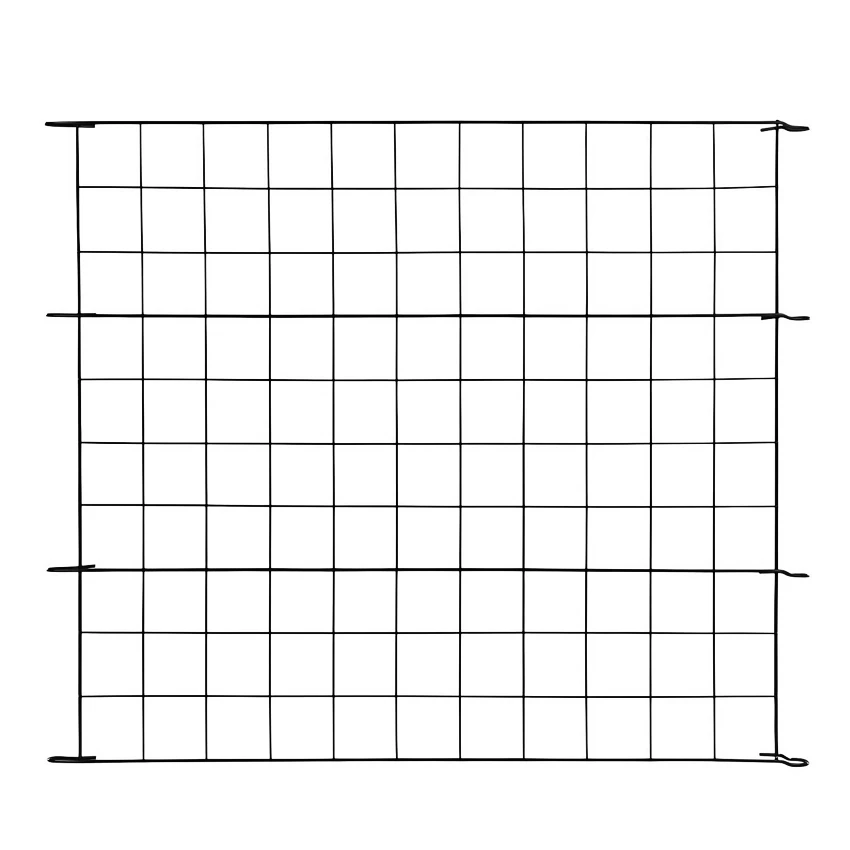
There are several types of galvanized wire fence rolls available, each suited to different applications. Woven wire fencing, also known as field fencing, is commonly used for agricultural purposes, containing livestock and protecting crops. Welded wire fencing offers a more rigid structure and is often used for security fencing or animal enclosures. Chain link fencing, while also galvanized, provides a strong and secure barrier. The choice depends on the specific requirements of your project, considering factors like animal type, security needs, and budget.
Installation and Maintenance Tips
Proper installation is crucial for maximizing the lifespan and effectiveness of your galvanized wire fence. Ensure posts are securely set in the ground, using appropriate spacing based on the wire gauge and terrain. Use tension wires to keep the fence taut and prevent sagging. Regular maintenance, such as inspecting for breaks or corrosion, and repairing any damage promptly, will also extend the fence’s life.
Choosing the Right Galvanized Wire Fence Roll for Your Needs
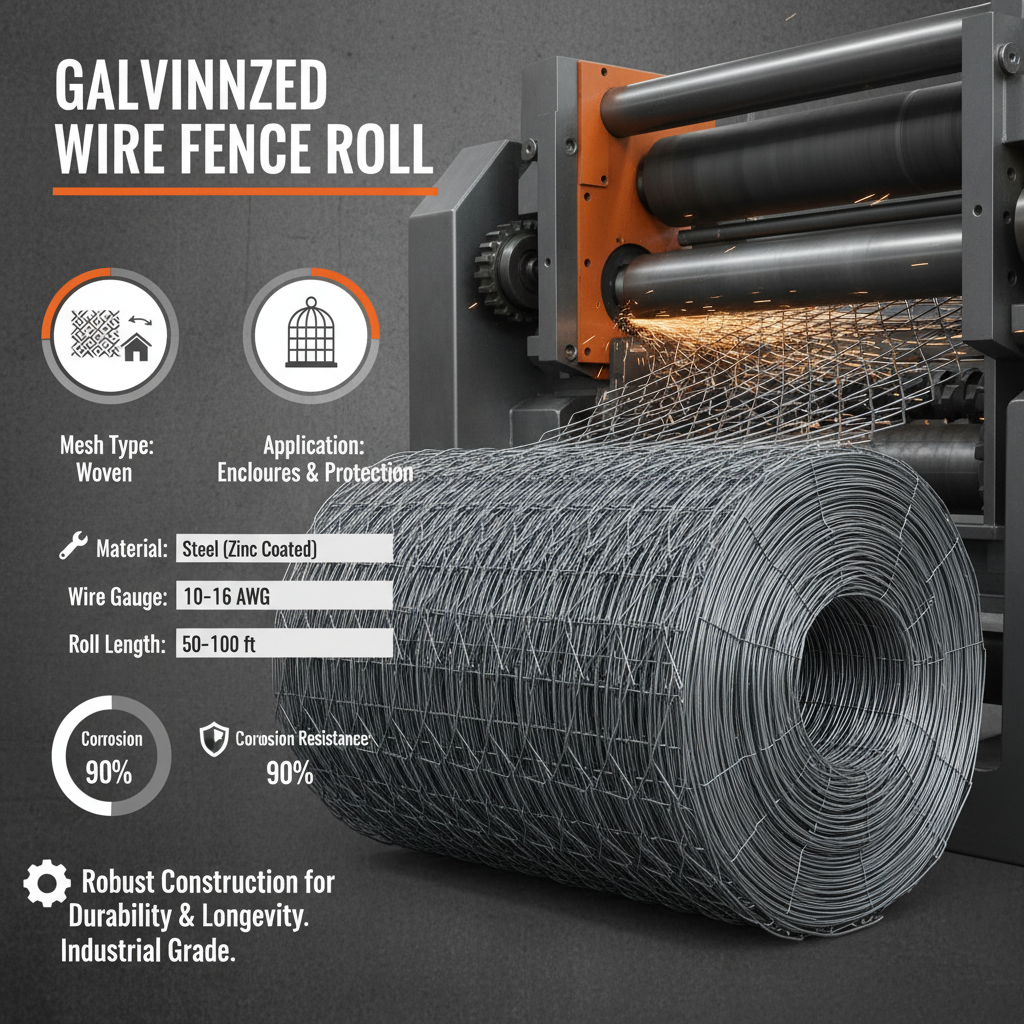
Selecting the right galvanized wire fence roll involves considering factors such as the type of animal you’re containing (if applicable), the level of security needed, the terrain, and your budget. The wire gauge (thickness) determines the strength of the fence. Heavier gauges are more durable but also more expensive. The mesh size is another important consideration; smaller mesh sizes are better for containing smaller animals. PeilingTech offers a wide range of galvanized wire fence rolls to suit various applications.
Conclusion: Investing in Quality Fencing
A galvanized wire fence roll is a smart investment for anyone seeking a durable, cost-effective, and versatile fencing solution. By carefully considering your needs and choosing the right type of fencing, you can ensure long-lasting security and peace of mind. Don’t compromise on quality – choose a reputable supplier like PeilingTech for all your fencing needs.
Frequently Asked Questions (FAQs)
How long does a galvanized wire fence typically last?
The lifespan of a galvanized wire fence depends on several factors, including the quality of the galvanization, the climate, and the level of maintenance. Generally, a properly installed and maintained galvanized wire fence can last anywhere from 20 to 30 years. In coastal areas or regions with high salt exposure, the lifespan may be shorter. Regularly inspecting the fence for signs of corrosion and addressing any issues promptly can significantly extend its service life. The thickness of the zinc coating also plays a crucial role, with thicker coatings providing greater protection.
What wire gauge should I choose for my fence?
The appropriate wire gauge depends on the animals you need to contain or the level of security required. For smaller animals like chickens or rabbits, a lighter gauge wire (e.g., 19-20 gauge) may suffice. For larger livestock such as cattle or horses, a heavier gauge wire (e.g., 12.5-14 gauge) is recommended. For security fencing, a heavier gauge wire is also preferred to deter intruders. Consider the terrain and potential for stress on the fence when selecting the gauge – challenging terrain may require a heavier gauge for added strength.
Can I repair a galvanized wire fence if it gets damaged?
Yes, galvanized wire fences can generally be repaired. Small breaks or tears can be patched using wire connectors or by weaving in new wire. Larger sections may require replacing entire rolls of wire. It's important to use galvanized wire for repairs to maintain the corrosion resistance of the fence. If the damage is extensive, it may be more cost-effective to replace the entire section of fencing. Regular inspections and prompt repairs will prevent minor damage from escalating into more significant problems.
Is galvanized wire fencing safe for animals?
Generally, galvanized wire fencing is considered safe for animals. However, it’s important to choose fencing with smooth wire edges to prevent injuries. Some animals may attempt to chew on the wire, so regular inspection for any sharp edges is recommended. Consider using plastic or rubber coatings on the wire for added safety, especially if you’re containing animals prone to chewing. Proper installation and maintenance are also crucial to ensure the fence remains safe for animals.
-
Complete Guide to Choosing a Durable 4 foot wire fence rollNewsApr.16,2026
-
Guide to Choosing the Best Square Wire Fencing Roll for SecurityNewsApr.16,2026
-
High Quality Steel Welded Wire Rolled Fencing for Secure BoundariesNewsApr.16,2026
-
High Quality Black Fence Roll for Secure and Discreet PerimeterNewsApr.16,2026
-
Ultimate Guide to Temporary Fence Roll for Site Security and SafetyNewsApr.16,2026
-
High Quality Garden Mesh Roll Guide for Protecting Green SpaceNewsApr.09,2026