-

-
 Whatsapp:+86 17732187393
 -


Comprehensive Guide to Durable Plastic Coated Fence Mesh Solutions
Understanding Plastic Coated Fence Mesh: A Comprehensive Guide
Plastic coated fence mesh, also known as chain link fence with PVC coating, is a versatile and durable solution for a wide range of applications, from agricultural fencing to industrial security. This guide will delve into the benefits, types, applications, and considerations when choosing plastic coated fence mesh. We'll explore how this material provides enhanced longevity and aesthetic appeal compared to traditional chain link, making it a preferred choice for both residential and commercial projects. Protecting your property and assets requires a reliable fencing solution, and plastic coated chain link delivers on both performance and value.
What is Plastic Coated Fence Mesh?
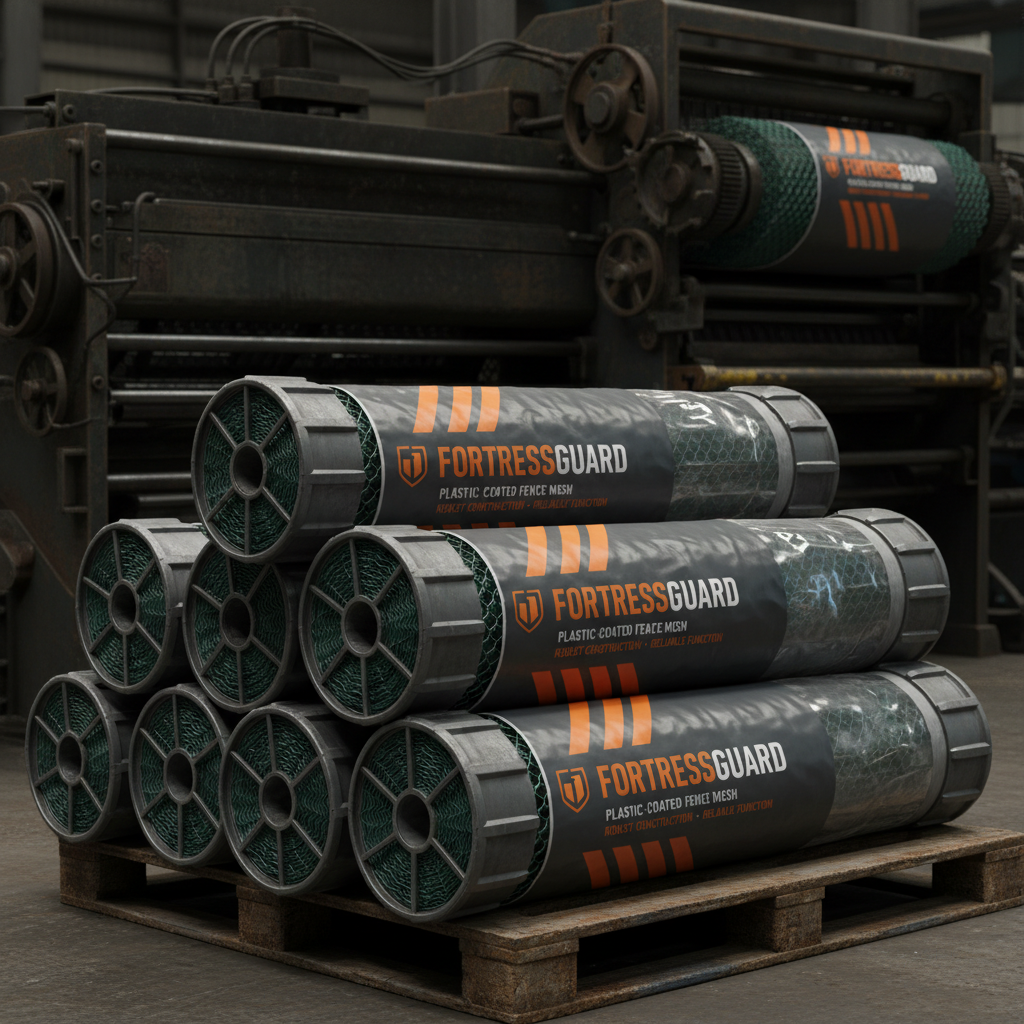
Plastic coated fence mesh is essentially galvanized chain link fence that has been further coated with a layer of PVC (polyvinyl chloride) plastic. The galvanization provides a base layer of corrosion resistance, while the PVC coating adds an additional barrier against the elements, significantly extending the fence’s lifespan. This coating not only enhances durability but also allows for a variety of color options, improving the aesthetic appeal of the fencing. The plastic coating protects the steel wire from rust, oxidation, and UV degradation, making it ideal for harsh environments.
Key Highlights: Provides a long-lasting, aesthetically pleasing, and corrosion-resistant fencing solution. Available in a wide range of colors to match your property's aesthetic.
Types of Plastic Coating & Their Benefits
While PVC is the most common plastic coating, other options are available. Different coating thicknesses and materials offer varying levels of protection and durability. The thickness of the PVC coating is measured in weight per square meter (e.g., 0.45mm, 0.80mm). Heavier coatings provide greater protection but also increase the cost. Furthermore, the quality of the PVC resin used impacts the coating's resistance to UV exposure and weathering. Choosing the right coating depends on the specific environmental conditions and the desired lifespan of the fence.
Coating Options & Benefits:
• PVC Coating: Most common, cost-effective, good corrosion resistance.
• PE Coating: Higher UV resistance, suitable for sun-exposed areas.
• Galvanized Core: Provides a crucial base layer of rust protection.
Plastic Coated Fence Mesh vs. Traditional Chain Link: A Comparison
The primary difference between plastic coated and traditional chain link lies in the corrosion resistance and aesthetic appeal. Traditional galvanized chain link, while durable, is still susceptible to rust over time, especially in coastal or humid environments. Plastic coating provides a robust barrier against these elements, extending the fence's lifespan significantly. Furthermore, the variety of colors available with plastic coating allows for customization and integration with the surrounding landscape. The initial cost of plastic coated fencing is higher, but the long-term savings due to reduced maintenance and replacement make it a worthwhile investment.
Applications of Plastic Coated Fence Mesh
Plastic coated fence mesh is incredibly versatile and used in numerous applications. These include: agricultural fencing to protect crops and livestock; residential boundary fencing for security and privacy; industrial fencing for perimeter security; sports fields and courts; parks and playgrounds; and even animal enclosures. Its durability and resistance to weathering make it a suitable choice for both indoor and outdoor environments. Peiling Tech provides solutions tailored to diverse needs.
Product Specifications and Considerations
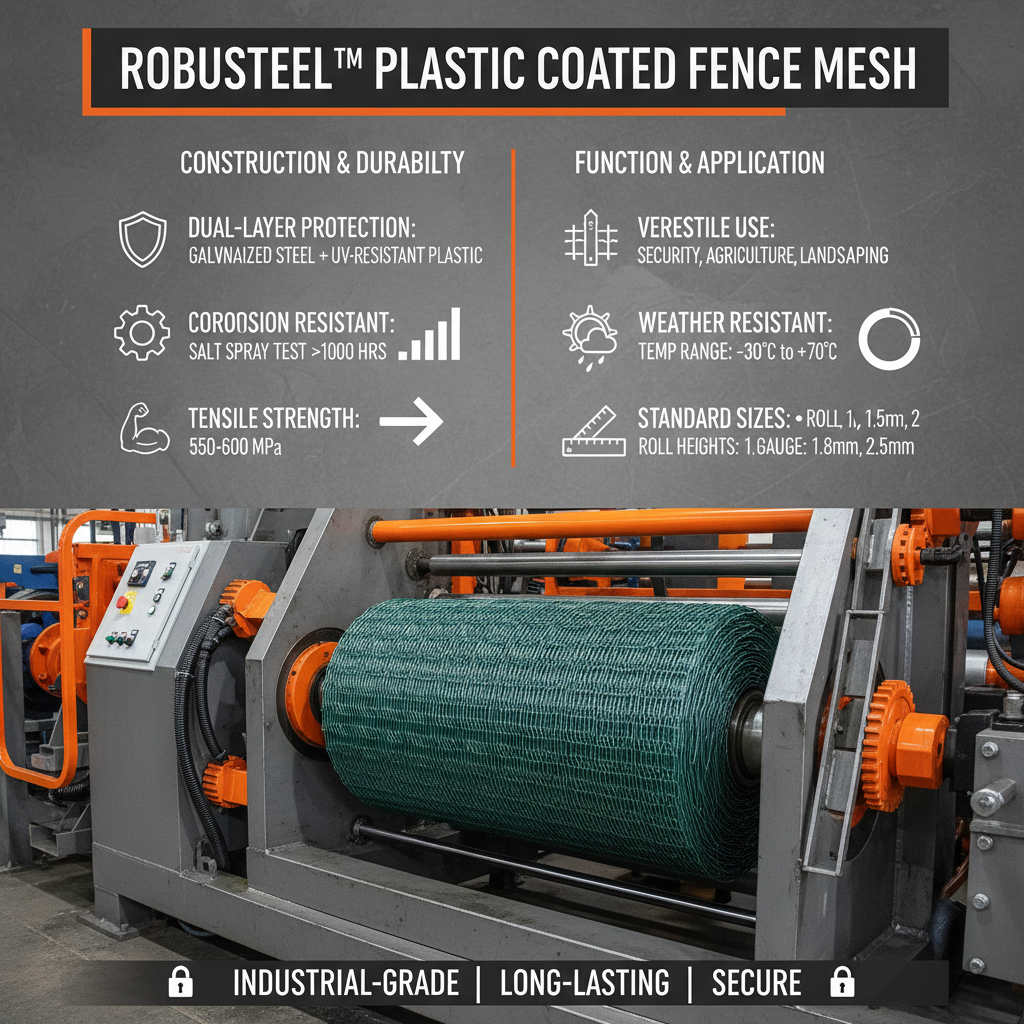
When selecting plastic coated fence mesh, consider factors such as wire gauge (thickness), mesh size (the size of the openings), height, and the coating weight. A heavier coating provides greater protection but also increases the cost. Wire gauge impacts the strength and durability of the fence, with thicker gauges offering greater resistance to breaking. Mesh size determines the level of security and containment. Common mesh sizes range from 1" to 2.5". Choose specifications based on your specific requirements and application.
Conclusion: Choosing the Right Plastic Coated Fence Mesh
Investing in plastic coated fence mesh offers a durable, aesthetically pleasing, and cost-effective solution for a wide range of fencing needs. By carefully considering the wire gauge, mesh size, coating weight, and application, you can select a fence that provides long-lasting security and protection. Don't compromise on quality – choose a reliable supplier and ensure you get the right fence for your specific requirements.
Frequently Asked Questions (FAQs)
What is the expected lifespan of plastic coated fence mesh?
The lifespan of plastic coated fence mesh can range from 15 to 20 years or more, depending on the quality of the materials, the thickness of the PVC coating, and the environmental conditions. Coastal areas with high salinity or industrial environments with corrosive fumes may require more frequent inspection and potential replacement. Proper installation and occasional cleaning can also extend the lifespan of the fence. Regular inspections for damage and prompt repairs are crucial to maintain its integrity.
Is plastic coated fence mesh suitable for animal enclosures?
Yes, plastic coated fence mesh is often used for animal enclosures. The smooth PVC coating reduces the risk of injury to animals compared to traditional chain link. However, the mesh size should be carefully selected to prevent escapes or injuries, depending on the size and type of animal. For smaller animals, a smaller mesh size is recommended. Always consult with animal husbandry experts to determine the appropriate fencing solution for your specific needs.
How do I clean and maintain plastic coated fence mesh?
Plastic coated fence mesh is relatively easy to maintain. Regular cleaning with mild soap and water will remove dirt and debris. Avoid using abrasive cleaners or high-pressure washers, as these can damage the PVC coating. Inspect the fence periodically for any signs of damage, such as cracks or breaks, and repair them promptly. Trimming vegetation that grows around the fence will also help to prevent damage and maintain its appearance.
Can plastic coated fence mesh be recycled?
Recycling plastic coated fence mesh can be challenging due to the combination of steel and PVC. However, some recycling facilities may accept it for processing. It's best to check with local recycling centers to determine if they have the capacity to handle this type of material. Proper disposal is important to minimize environmental impact.
-
Complete Guide to Choosing a Durable 4 foot wire fence rollNewsApr.16,2026
-
Guide to Choosing the Best Square Wire Fencing Roll for SecurityNewsApr.16,2026
-
High Quality Steel Welded Wire Rolled Fencing for Secure BoundariesNewsApr.16,2026
-
High Quality Black Fence Roll for Secure and Discreet PerimeterNewsApr.16,2026
-
Ultimate Guide to Temporary Fence Roll for Site Security and SafetyNewsApr.16,2026
-
High Quality Garden Mesh Roll Guide for Protecting Green SpaceNewsApr.09,2026