-

-
 Whatsapp:+86 17732187393
 -


Comprehensive Guide to Durable Plastic Mesh Fence Panels and Applications
Understanding Plastic Mesh Fence Panels: A Comprehensive Guide
Plastic mesh fence panels are a versatile and cost-effective solution for a wide range of fencing needs. From agricultural applications to security barriers and even decorative garden features, these panels offer a blend of durability, flexibility, and ease of installation. This article will explore the different types of plastic mesh fence panels, their benefits, common uses, and factors to consider when choosing the right panel for your specific requirements. We'll also examine why Peiling Tech is a trusted supplier of high-quality plastic mesh fencing solutions.
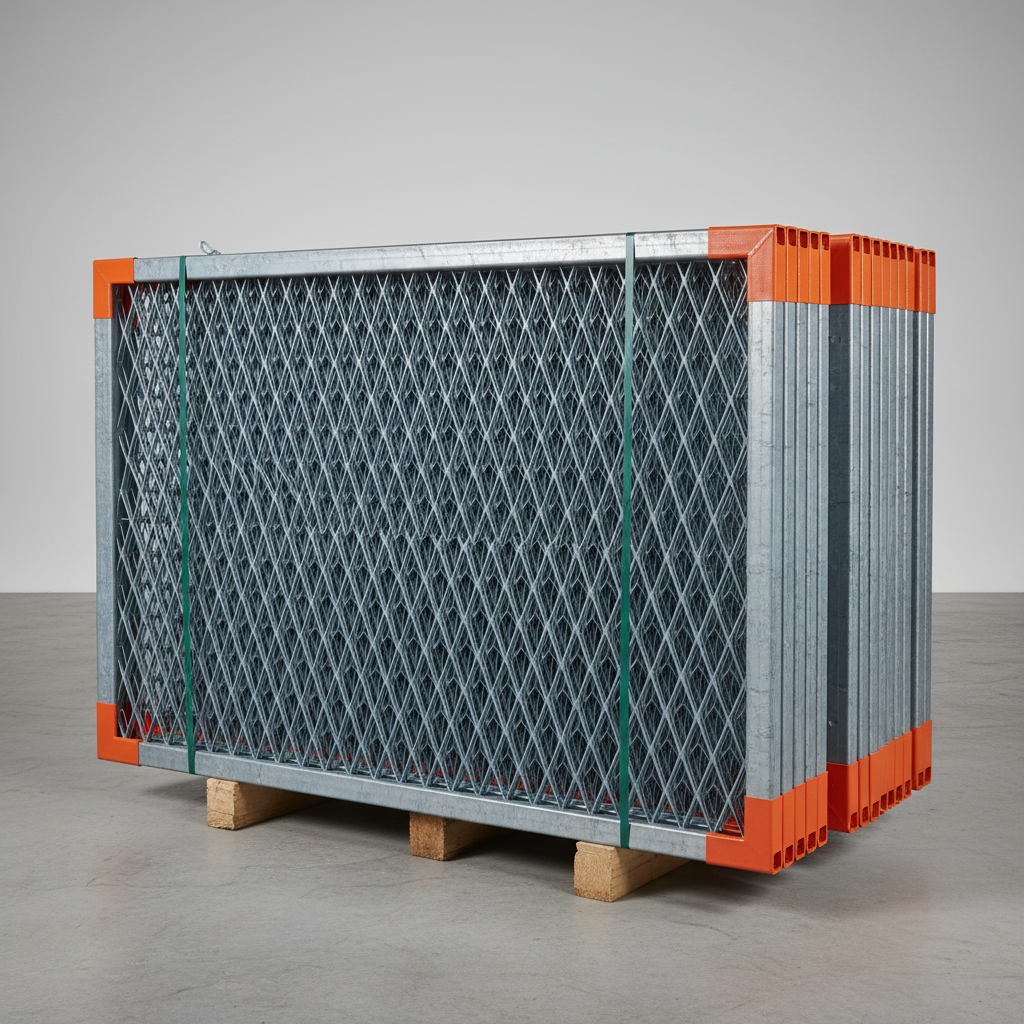
Types of Plastic Mesh Fence Panels
Plastic mesh fence panels aren't a one-size-fits-all product. They come in various materials, mesh sizes, and construction methods. Common types include:
- Polyethylene (PE) Mesh: Lightweight, flexible, and widely used for garden fencing and temporary barriers.
- Polypropylene (PP) Mesh: More durable than PE mesh, offering better resistance to UV degradation and chemicals. Suitable for agricultural and industrial applications.
- PVC Coated Mesh: Provides excellent weather resistance and increased strength. Often used for security fencing and animal containment.
- HDPE Mesh: High-density polyethylene mesh offers superior strength and durability, ideal for demanding applications.
Benefits of Using Plastic Mesh Fence Panels
Choosing plastic mesh fence panels offers numerous advantages over traditional fencing materials like wood or metal. These benefits include:
- Cost-Effectiveness: Generally more affordable than wood or metal fencing.
- Low Maintenance: Doesn't require painting, staining, or treating to prevent rot or rust.
- Lightweight and Easy to Install: Simplifies the installation process, reducing labor costs.
- Durability: Resistant to corrosion, weathering, and many chemicals.
- Flexibility: Can be easily cut and shaped to fit specific needs.
- Versatility: Suitable for a wide range of applications.
Key Highlights: Plastic mesh fence panels are a durable, versatile, and cost-effective solution for a multitude of fencing requirements. Their lightweight nature and ease of installation offer significant time and cost savings.
Applications of Plastic Mesh Fence Panels
The applications for plastic mesh fence panels are extensive. Here are some common uses:
- Agriculture: Protecting crops from pests, creating temporary animal enclosures.
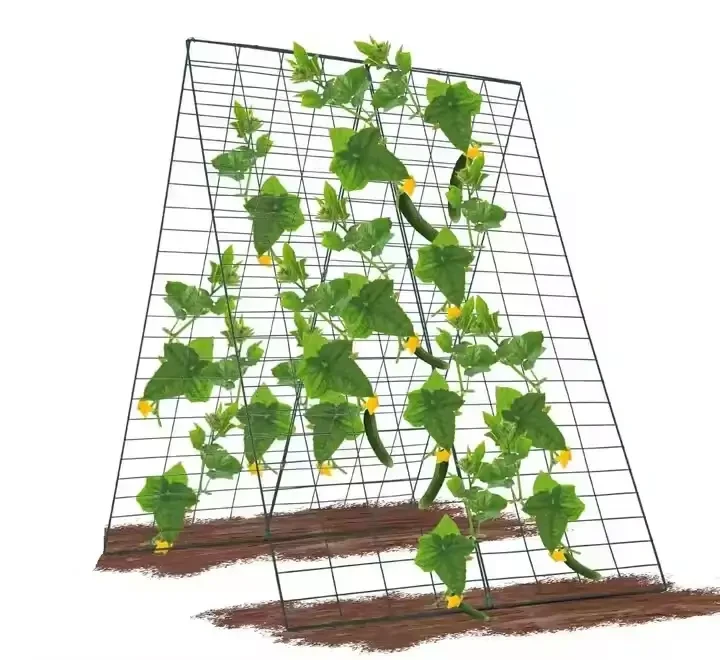
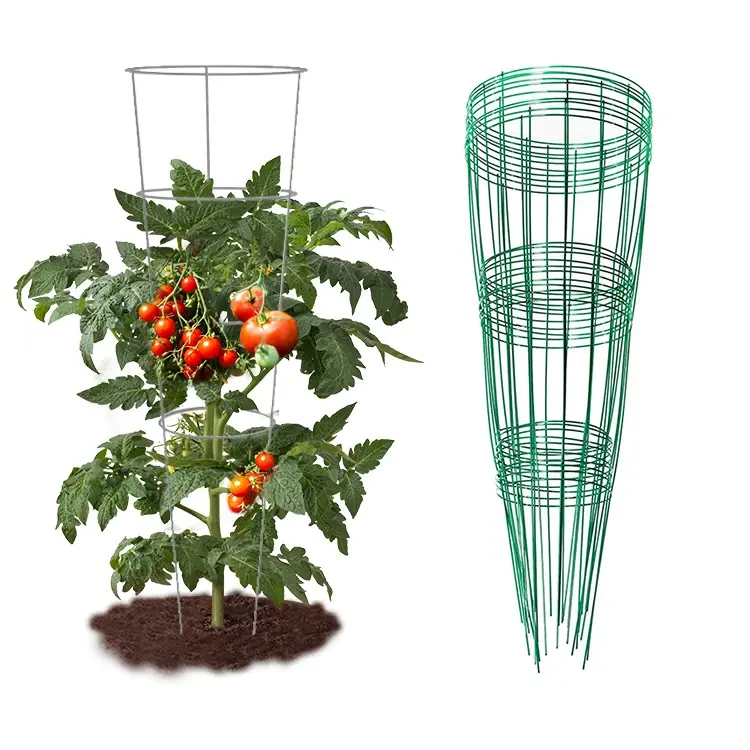
- Gardening: Supporting climbing plants, creating decorative garden borders.
- Construction: Temporary site fencing for safety and security.
- Poultry Farming: Building chicken runs and enclosures.
- Sports Facilities: Creating safety barriers around sports fields and courts.
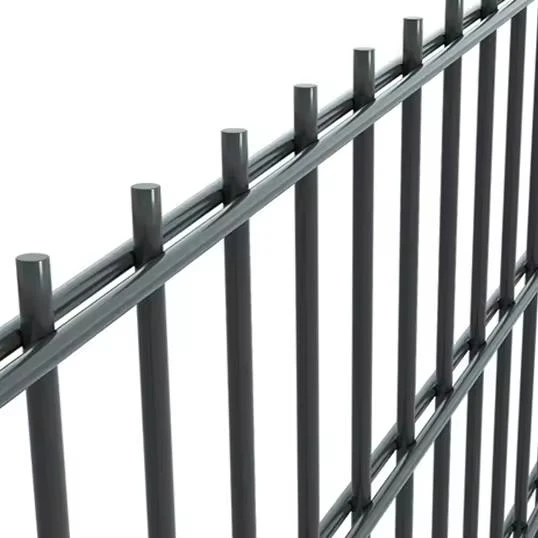
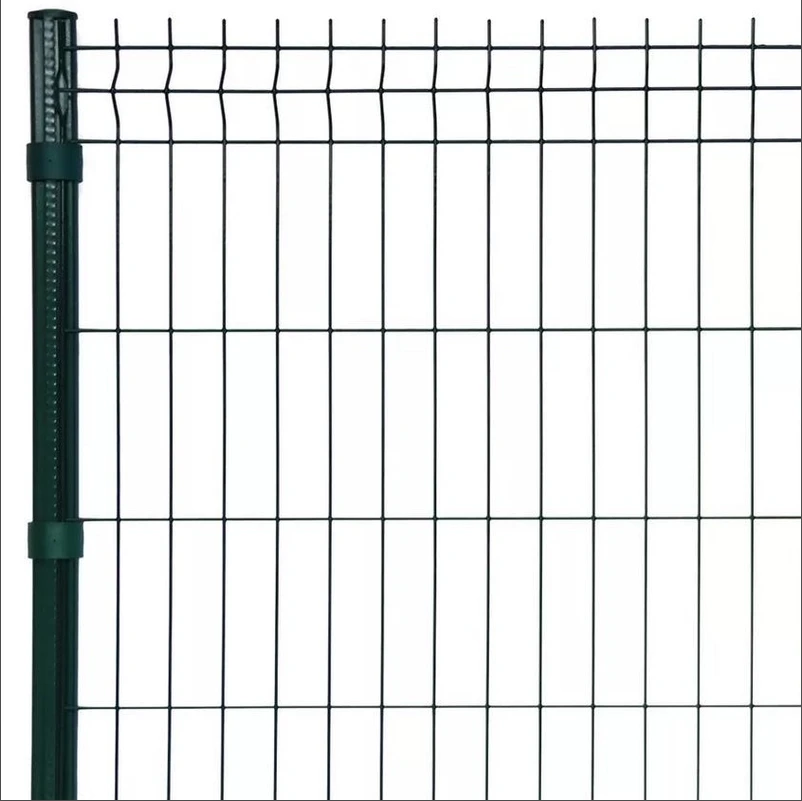
- Security: Providing a visual deterrent and perimeter security.
Comparing Plastic Mesh Fence Panel Materials
Selecting the right material for your plastic mesh fence panel depends on your specific needs and budget. Here’s a quick comparison:
Why Choose Peiling Tech for Your Plastic Mesh Fence Panel Needs?
At Peiling Tech, we are dedicated to providing high-quality plastic mesh fence panels to meet diverse customer needs. We offer a wide range of materials, mesh sizes, and custom options. Our commitment to quality, competitive pricing, and excellent customer service makes us a reliable partner for all your fencing projects. We’re proud to offer:
- Extensive Product Range: A comprehensive selection of plastic mesh fence panels to suit any application.
- Customization Options: We can tailor panels to your specific dimensions and requirements.
- Competitive Pricing: Offering the best value for your investment.
- Fast and Reliable Shipping: Ensuring timely delivery to your location.
- Expert Support: Our knowledgeable team is available to assist you with product selection and installation advice.
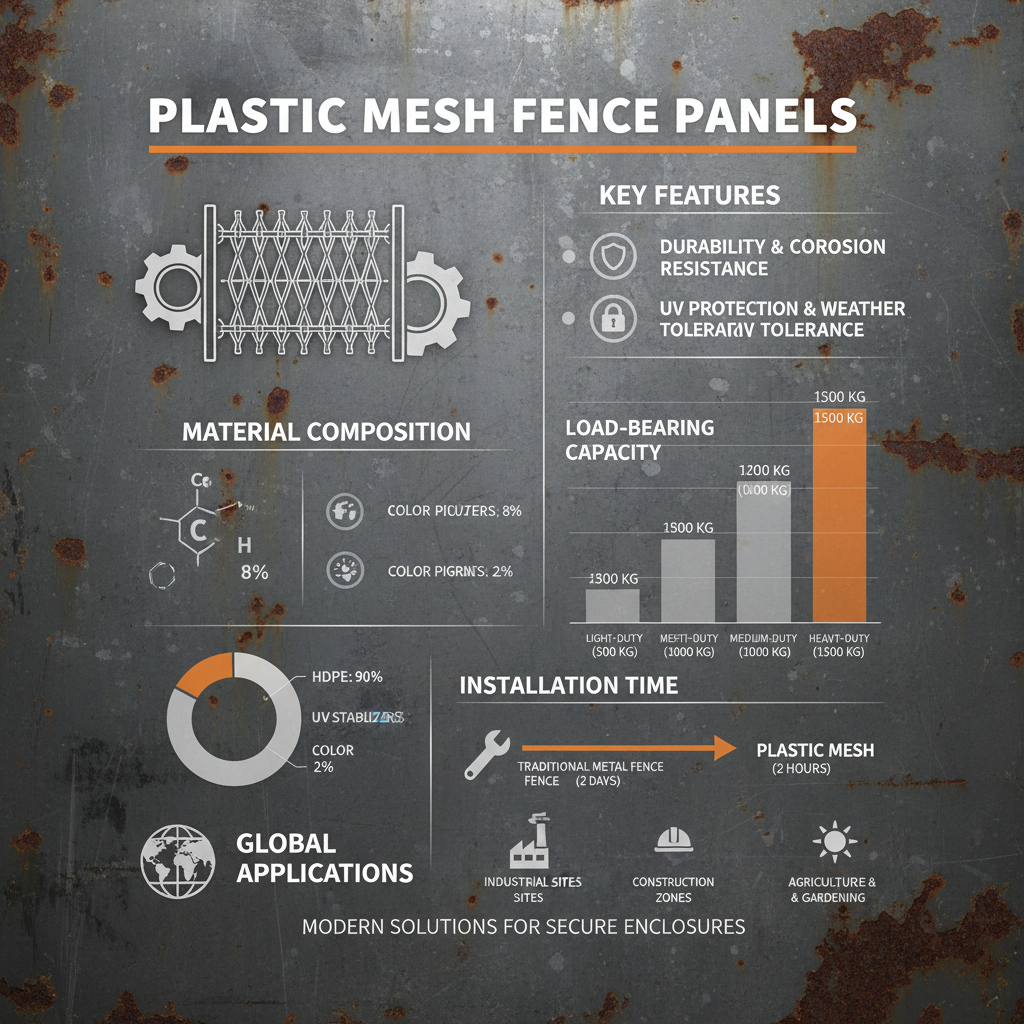
Conclusion: Find the Perfect Plastic Mesh Fence Panel with Peiling Tech
Plastic mesh fence panels offer a practical, cost-effective, and versatile fencing solution for various applications. Peiling Tech is your trusted source for high-quality panels, expert advice, and exceptional service. Browse our selection today and find the perfect fencing solution for your needs!
Frequently Asked Questions (FAQs)
How long will a plastic mesh fence panel last?
The lifespan of a plastic mesh fence panel depends on several factors, including the material used, the level of UV exposure, and the environmental conditions. Generally, polyethylene (PE) panels have the shortest lifespan (2-3 years), while polypropylene (PP) and PVC coated panels can last 5-10 years or longer. Regular cleaning and maintenance can help extend the life of your fence. Proper installation, minimizing stress on the material, is also crucial.
Can plastic mesh fence panels be recycled?
Recyclability varies depending on the type of plastic used. Polyethylene (PE) and polypropylene (PP) are recyclable, but recycling facilities may not always accept them. PVC is more challenging to recycle, but some facilities do offer recycling programs. Check with your local recycling center to determine if they accept these materials. At Peiling Tech, we are exploring sustainable materials and recycling options to minimize our environmental impact.
How easy is it to install plastic mesh fence panels?
Plastic mesh fence panels are relatively easy to install, requiring minimal tools and experience. Typically, installation involves attaching the panels to posts using zip ties, wire, or specialized clips. Proper post spacing is essential for a secure and stable fence. Detailed installation instructions are usually provided with the panels. For larger projects or more complex installations, professional assistance may be recommended.
-
Complete Guide to Choosing a Durable 4 foot wire fence rollNewsApr.16,2026
-
Guide to Choosing the Best Square Wire Fencing Roll for SecurityNewsApr.16,2026
-
High Quality Steel Welded Wire Rolled Fencing for Secure BoundariesNewsApr.16,2026
-
High Quality Black Fence Roll for Secure and Discreet PerimeterNewsApr.16,2026
-
Ultimate Guide to Temporary Fence Roll for Site Security and SafetyNewsApr.16,2026
-
High Quality Garden Mesh Roll Guide for Protecting Green SpaceNewsApr.09,2026