-

-
 Whatsapp:+86 17732187393
 -


Comprehensive Guide to Durable Plastic Coated Wire Panels and Their Applications
Understanding Plastic Coated Wire Panels: A Comprehensive Guide
Plastic coated wire panels are versatile components used in a wide array of applications, from animal containment to industrial fencing. Their durability, corrosion resistance, and cost-effectiveness make them a popular choice across various industries. This article delves into the benefits, applications, manufacturing process, and key considerations when selecting plastic coated wire panels. We will explore why choosing the right panel is essential for project success and longevity, and how Peiling Tech offers superior quality and customization options.
The Benefits of Plastic Coated Wire Panels
The advantages of utilizing plastic coated wire panels are numerous. The plastic coating provides excellent resistance to corrosion, making them ideal for outdoor applications and harsh environments. This resistance extends the lifespan of the panels significantly compared to untreated wire. They are also lighter than solid metal panels, simplifying installation and reducing structural load. Moreover, the plastic coating offers a degree of flexibility, making the panels less prone to cracking or breaking under stress. Finally, the smooth plastic surface is easier to clean and maintain than other fencing or panel materials. Peiling Tech specializes in producing high-quality panels designed for long-lasting performance.
Key Advantages: Corrosion resistance, lightweight design, extended lifespan, flexibility, and ease of maintenance.
Common Applications for Plastic Coated Wire Panels
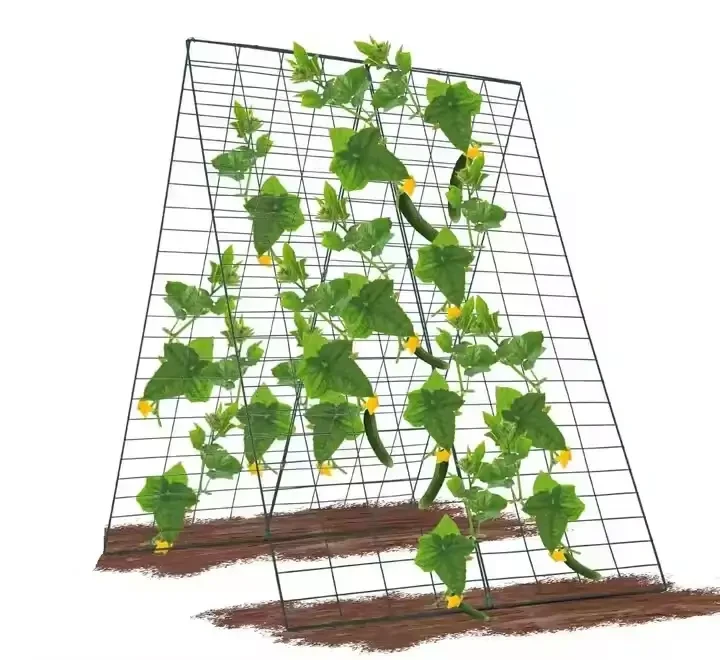
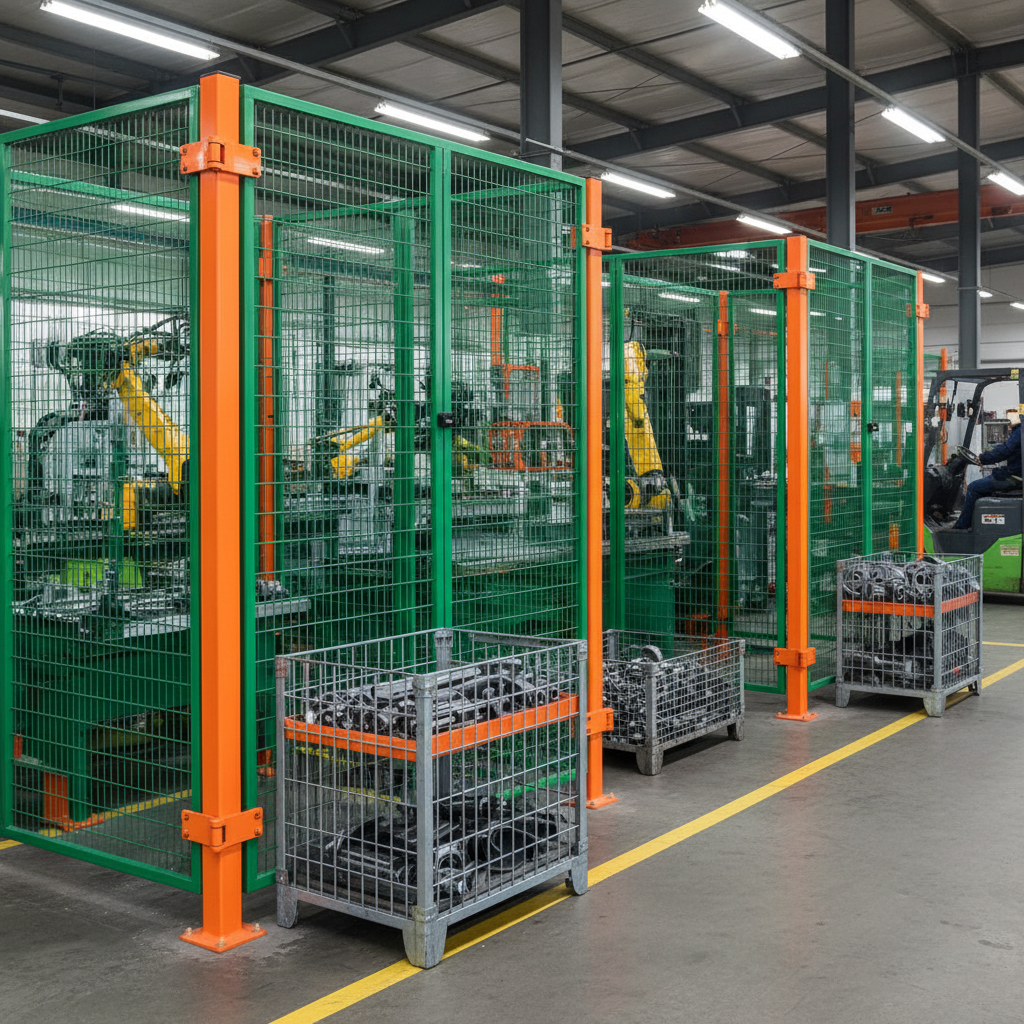
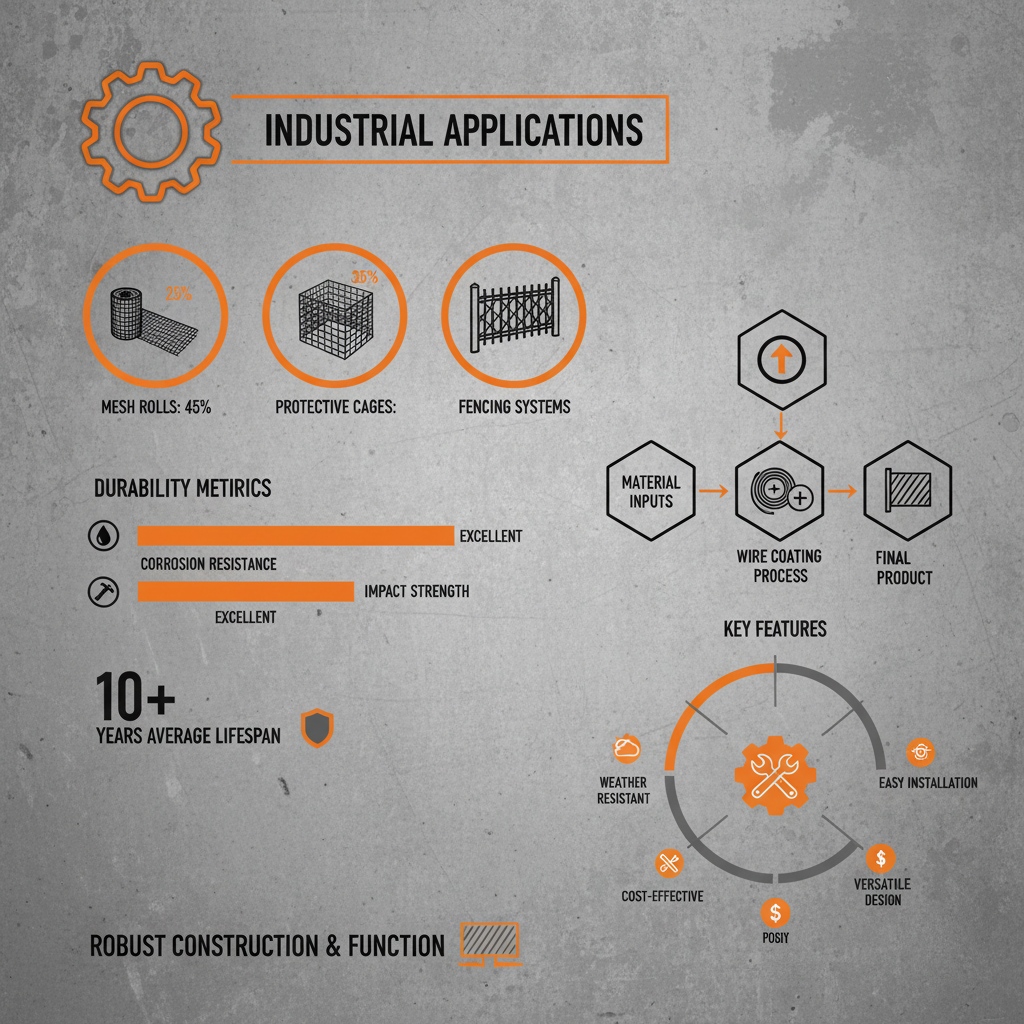
These panels find use in a diverse range of applications. Agriculture is a major sector, utilizing them for poultry fencing, livestock containment, and garden protection. In industrial settings, they serve as safety barriers, machine guards, and ventilation screens. Residential applications include garden fencing, pet enclosures, and decorative screens. Additionally, they are commonly used in construction for temporary fencing and site security. The versatility of plastic coated wire panels makes them a practical solution for a broad spectrum of needs.
Application Areas:
• Agricultural fencing (poultry, livestock)
• Industrial safety barriers & machine guards
• Residential garden & pet enclosures
• Construction site security
Plastic Coated Wire Panels: Materials and Manufacturing
Typically, these panels begin with a core of low-carbon steel wire, chosen for its strength and affordability. This wire is then galvanized, providing a base layer of corrosion protection. The final step involves applying a plastic coating – most commonly PVC (Polyvinyl Chloride) or PE (Polyethylene) – through a process called extrusion or dipping. Extrusion involves forcing molten plastic over the wire, while dipping immerses the wire in a liquid plastic bath. The choice of plastic affects the panel’s UV resistance, temperature tolerance, and overall durability. Peiling Tech offers a variety of plastic coatings to suit specific application requirements.
Comparing PVC and PE Coated Wire Panels
Both PVC and PE coatings offer excellent protection, but they possess distinct characteristics. PVC generally offers higher rigidity and better chemical resistance, making it suitable for more demanding industrial environments. PE, on the other hand, exhibits greater flexibility and impact resistance, particularly in colder temperatures. PE coatings also tend to be more cost-effective. The best choice depends on the specific environmental conditions and performance requirements of the application.
Selecting the Right Plastic Coated Wire Panel
When choosing a panel, consider the environment, the load it will bear, and the desired lifespan. Mesh size, wire gauge, and coating thickness are all crucial factors. Higher gauge wire provides greater strength, while smaller mesh sizes offer more containment. A thicker coating provides increased corrosion resistance. Partnering with a reputable supplier, like Peiling Tech, ensures you receive a high-quality product tailored to your specific needs. We offer customized solutions, including different mesh sizes, wire gauges, and coating options.
Conclusion: Invest in Durable Plastic Coated Wire Panels
Investing in high-quality plastic coated wire panels provides long-term value and peace of mind. Their durability, corrosion resistance, and versatility make them a superior choice for a wide range of applications. By selecting the right panel for your needs, you can ensure lasting performance and minimize maintenance costs. Peiling Tech is committed to providing exceptional products and customer service.
Frequently Asked Questions (FAQs)
What is the typical lifespan of plastic coated wire panels?
The lifespan of plastic coated wire panels varies based on environmental factors like UV exposure, chemical exposure, and physical stress. However, with proper installation and maintenance, these panels can reliably last 10-20 years or even longer. The quality of the coating and galvanization process significantly impacts longevity. Regularly inspect the panels for damage, such as cracks or corrosion, and address any issues promptly to extend their lifespan. Choosing a higher-quality coating, like that offered by Peiling Tech, can considerably enhance durability.
Are plastic coated wire panels recyclable?
Recycling plastic coated wire panels can be challenging due to the combination of materials. The steel core is readily recyclable, but separating the plastic coating requires specialized processes. Some recycling facilities are equipped to handle this type of material, while others may not. It's best to check with your local recycling center to determine if they accept plastic coated wire. Peiling Tech is continually exploring more sustainable materials and recycling options to minimize environmental impact.
What mesh sizes are available for plastic coated wire panels?
Plastic coated wire panels are available in a wide range of mesh sizes, typically ranging from 1/2 inch to 4 inches. The appropriate mesh size depends on the application. Smaller mesh sizes are ideal for containing smaller animals or providing greater security, while larger mesh sizes are suitable for general fencing or ventilation. Peiling Tech offers custom mesh size options to meet your specific requirements.
How do I properly install plastic coated wire panels?
Proper installation is crucial for ensuring the longevity and effectiveness of plastic coated wire panels. Use appropriate posts and hardware designed for wire mesh fencing. Ensure the posts are securely anchored in the ground. Tension the wire panels correctly to prevent sagging and maintain structural integrity. Avoid over-tightening, which can damage the coating. Consult the manufacturer's guidelines or a professional fencing installer for specific recommendations.
-
Complete Guide to Choosing a Durable 4 foot wire fence rollNewsApr.16,2026
-
Guide to Choosing the Best Square Wire Fencing Roll for SecurityNewsApr.16,2026
-
High Quality Steel Welded Wire Rolled Fencing for Secure BoundariesNewsApr.16,2026
-
High Quality Black Fence Roll for Secure and Discreet PerimeterNewsApr.16,2026
-
Ultimate Guide to Temporary Fence Roll for Site Security and SafetyNewsApr.16,2026
-
High Quality Garden Mesh Roll Guide for Protecting Green SpaceNewsApr.09,2026