-

-
 Whatsapp:+86 17732187393
 -


Comprehensive Guide to Plastic Coated Wire Garden Fencing Solutions
Plastic Coated Wire Garden Fencing: A Comprehensive Guide
Protecting your garden from pests, pets, or simply defining boundaries requires a robust and reliable fencing solution. Plastic coated wire garden fencing offers a versatile, durable, and cost-effective option. This article will delve into the benefits, applications, installation tips, and considerations when choosing the right plastic coated wire fencing for your garden. We'll explore why it's a preferred choice for both practical and aesthetic garden solutions.
Understanding Plastic Coated Wire Fencing
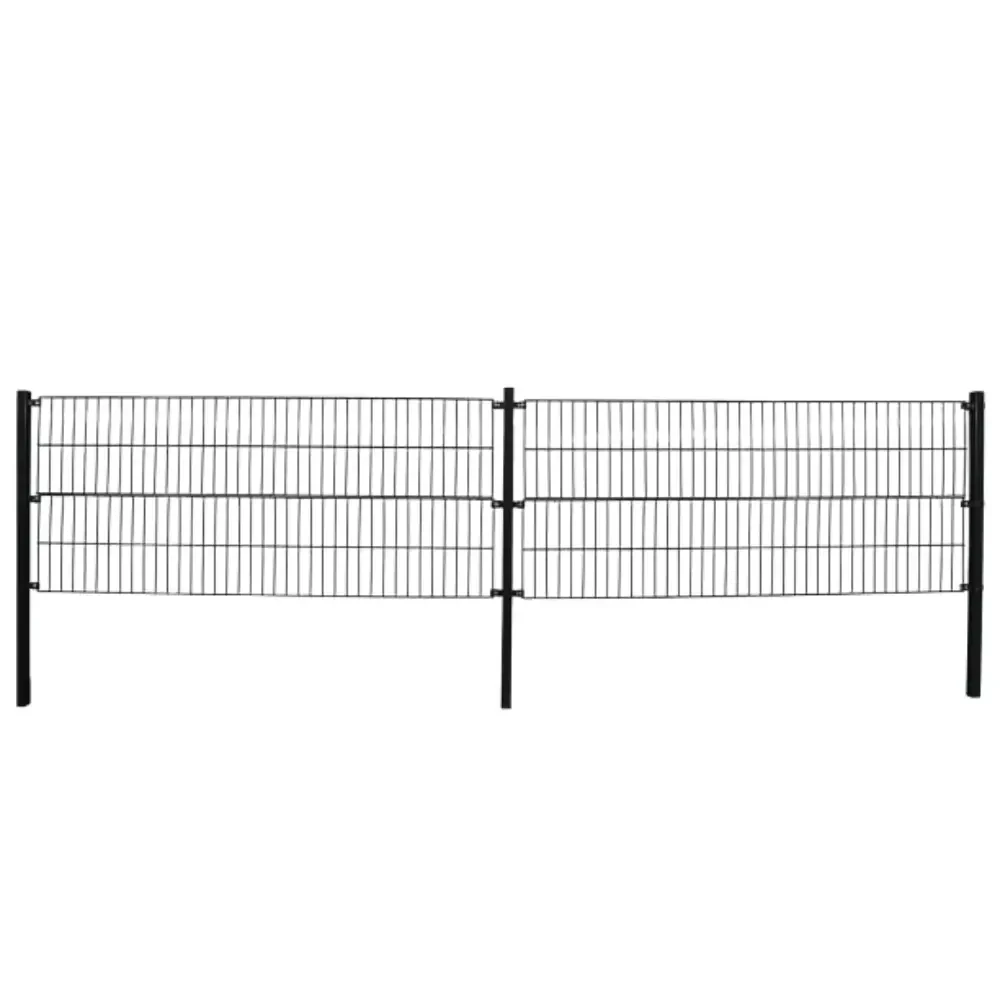
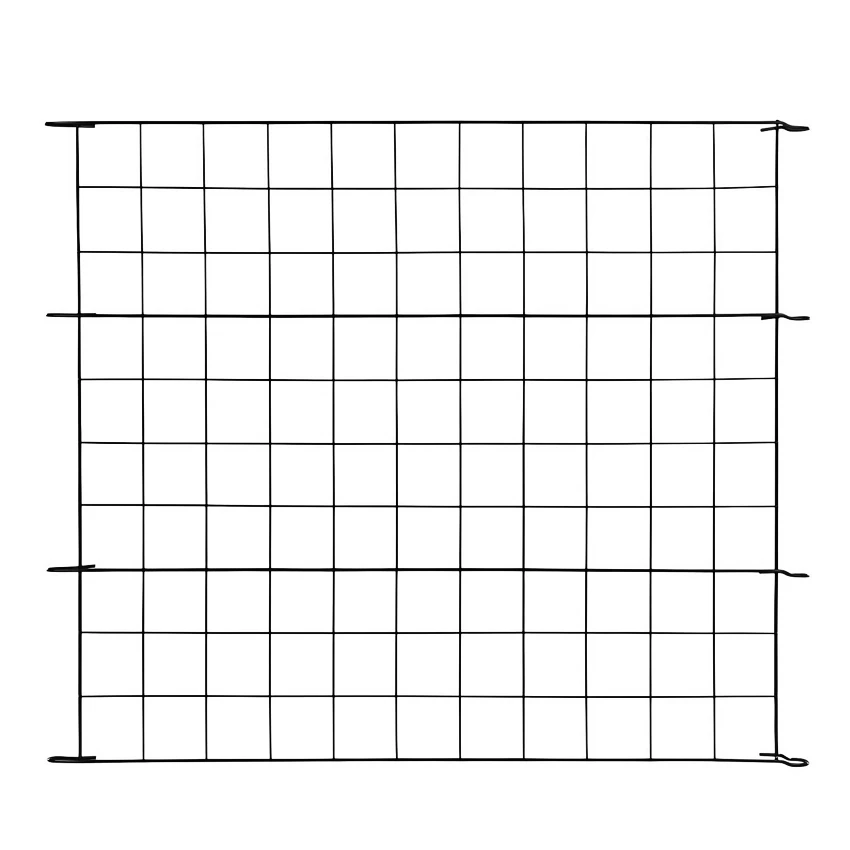
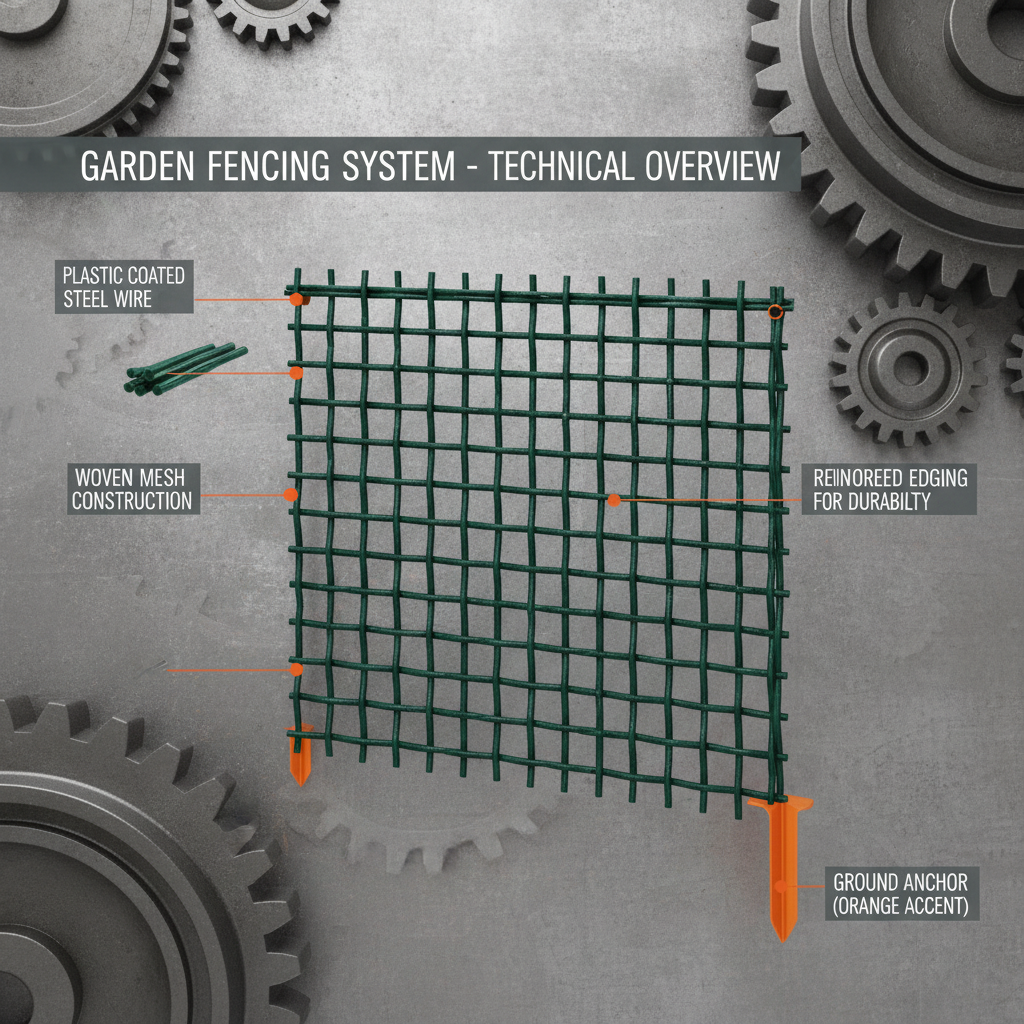
Plastic coated wire fencing, also known as PVC coated wire fencing, consists of a steel wire core encased in a protective layer of polyvinyl chloride (PVC). This coating provides exceptional resistance to corrosion, weathering, and UV degradation, making it ideal for outdoor applications. The wire is typically woven into a mesh, with varying aperture sizes to suit different needs. This fencing is strong, lightweight, and relatively easy to install. Its flexibility also allows it to conform to uneven ground, making it suitable for a variety of garden landscapes. You can find a wide selection of plastic coated wire fencing at Peilingtech.com.
Key Highlights: Excellent corrosion resistance, durable, lightweight, and easy to install. Flexible enough to follow garden contours.
Benefits of Choosing Plastic Coated Wire Garden Fencing
The advantages of using plastic coated wire fencing are numerous. Firstly, the PVC coating prevents rust and corrosion, extending the lifespan of the fence significantly. Secondly, it's a relatively inexpensive fencing option compared to wood or metal alternatives. Thirdly, it requires minimal maintenance, usually just an occasional wash to remove dirt and debris. Furthermore, it is available in a range of colors – typically green, black, and white – to blend seamlessly with your garden's aesthetic. Its strength ensures it can contain pets, deter pests, and define property lines effectively.
Key Benefits:
• Corrosion and rust resistant
• Cost-effective
• Low maintenance
• Available in various colors
Plastic Coated Wire Garden Fencing vs. Other Fencing Options
When comparing plastic coated wire fencing to other options like wood, metal, or chain link, several key differences emerge. Wood requires regular painting or staining to prevent rot, while metal is susceptible to rust. Chain link, while durable, can lack aesthetic appeal. Plastic coated wire fencing provides a good balance of durability, affordability, and appearance. It’s lighter and easier to handle than chain link, making installation simpler. While not as visually striking as some wooden fences, its range of color options allows it to blend well with most garden landscapes.
Choosing the Right Plastic Coated Wire Garden Fencing
When selecting plastic coated wire garden fencing, consider the height needed, the mesh size (aperture), and the wire gauge (thickness). Higher fencing is ideal for containing larger animals, while smaller mesh sizes are better for keeping out smaller pests. Thicker wire gauges offer greater strength and durability. Also consider the color - choose one that complements your garden’s design. At Peilingtech we offer a range of options to suit your specific requirements.
Installation Tips and Considerations
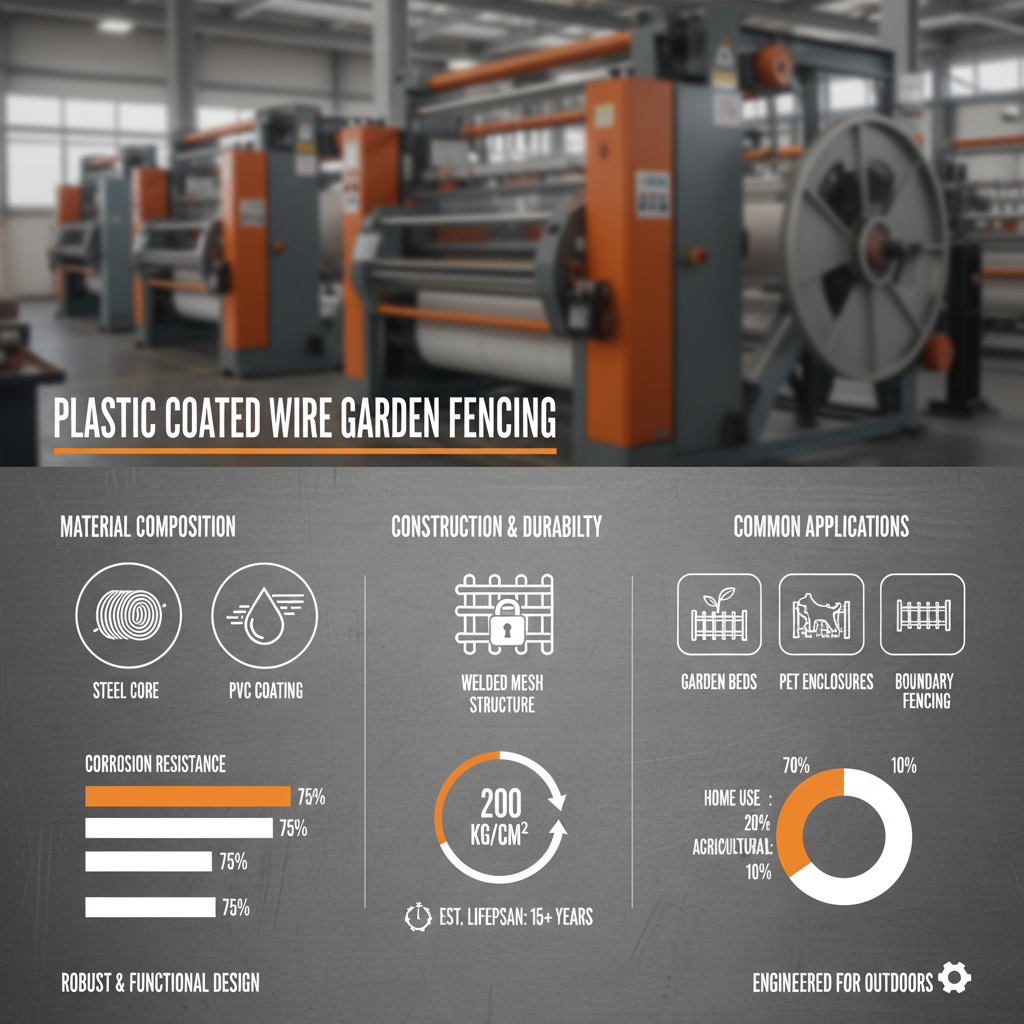
Installing plastic coated wire fencing is a straightforward process. You'll need fence posts (wooden or metal), wire cutters, fencing staples or clips, and potentially a stretcher wire for tensioning. Dig post holes at regular intervals, set the posts securely in concrete, and then attach the fencing to the posts using staples or clips. Ensure the fencing is taut to prevent sagging. Consider using a stretcher wire to help maintain tension over longer runs. Always wear appropriate safety gear, including gloves and eye protection.
Conclusion: A Practical and Attractive Garden Fencing Solution
Plastic coated wire garden fencing provides a compelling combination of durability, affordability, and ease of installation. Whether you're protecting your plants from animals, defining boundaries, or simply adding a decorative element to your garden, this fencing is an excellent choice. Explore the diverse range of options available at Peilingtech.com and find the perfect fencing solution for your needs.
Frequently Asked Questions (FAQs)
How long will plastic coated wire fencing last?
The lifespan of plastic coated wire fencing typically ranges from 10 to 20 years, depending on environmental factors and the quality of the coating. The PVC coating provides excellent protection against corrosion and UV degradation, significantly extending its lifespan compared to uncoated wire fencing. Regular maintenance, such as washing away dirt and debris, can further prolong its life. However, exposure to harsh chemicals or physical damage can reduce its durability.
What is the best way to attach the fencing to wooden posts?
The most common method is using fencing staples, which are specifically designed to attach wire fencing to wood. Use a staple gun for efficient installation. Alternatively, you can use fencing clips, which provide a more secure and neater finish. Ensure the staples or clips are driven in straight and securely to prevent the fencing from loosening. For added strength, consider using a stretcher wire running along the top and bottom of the fencing, attached to the posts.
Is plastic coated wire fencing safe for animals?
Generally, plastic coated wire fencing is considered safe for animals, but the mesh size is crucial. For smaller animals, such as rabbits or poultry, a smaller mesh size is essential to prevent them from getting their heads or paws stuck. Always inspect the fencing regularly for any sharp edges or damage that could potentially harm animals. Consider using a smooth-coated wire to minimize the risk of injury.
Can plastic coated wire fencing be used for security purposes?
While plastic coated wire fencing offers a deterrent, it's not typically considered a high-security solution. It's more effective for containing animals or marking boundaries than preventing unauthorized access. For enhanced security, consider using a thicker gauge wire and incorporating additional security measures, such as barbed wire or a security gate.
-
Complete Guide to Choosing a Durable 4 foot wire fence rollNewsApr.16,2026
-
Guide to Choosing the Best Square Wire Fencing Roll for SecurityNewsApr.16,2026
-
High Quality Steel Welded Wire Rolled Fencing for Secure BoundariesNewsApr.16,2026
-
High Quality Black Fence Roll for Secure and Discreet PerimeterNewsApr.16,2026
-
Ultimate Guide to Temporary Fence Roll for Site Security and SafetyNewsApr.16,2026
-
High Quality Garden Mesh Roll Guide for Protecting Green SpaceNewsApr.09,2026