-

-
 Whatsapp:+86 17732187393
 -


Comprehensive Guide to Welded Wire Utility Panels for Diverse Applications
Welded Wire Utility Panels: A Comprehensive Guide
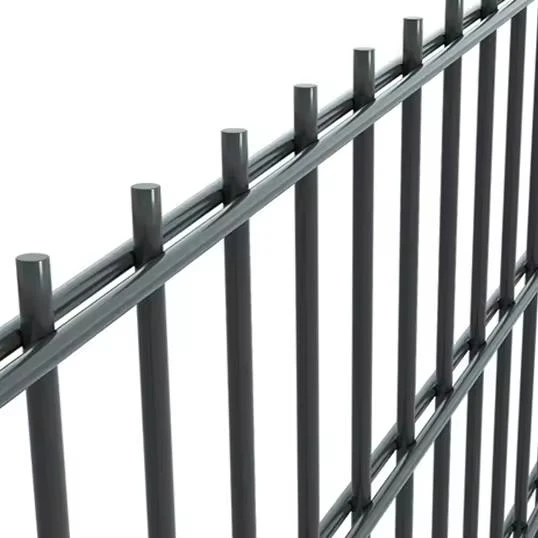
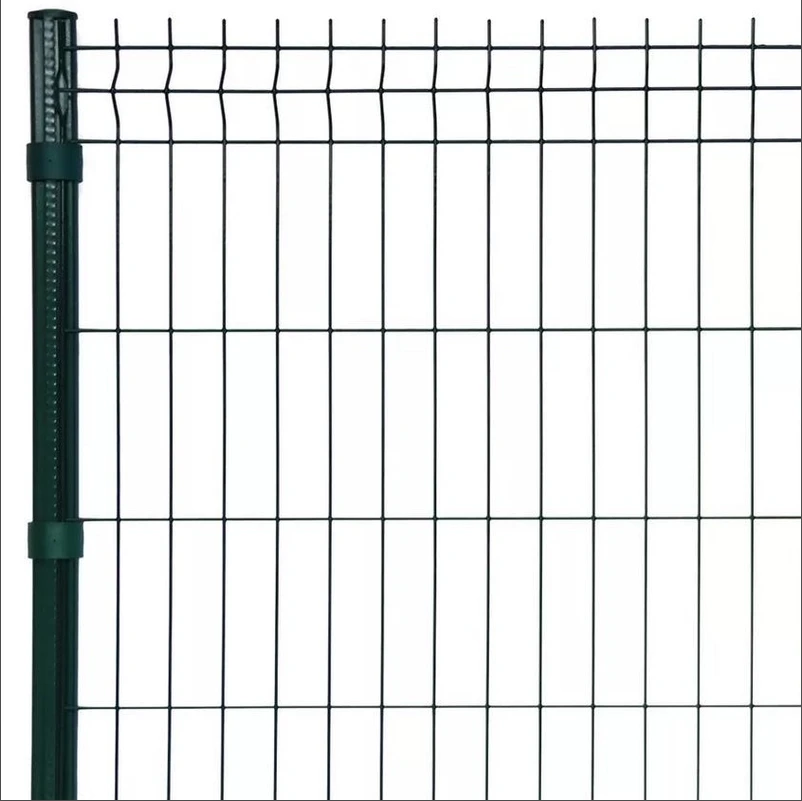
Welded wire utility panels are versatile solutions for a wide range of applications, from security fencing to animal containment and industrial enclosures. Offering durability, cost-effectiveness, and ease of installation, they've become a staple in construction, agriculture, and beyond. This article will explore the benefits, common applications, material options, and key considerations when choosing welded wire utility panels for your project. Understanding these factors will help you select the perfect panel to meet your specific needs.
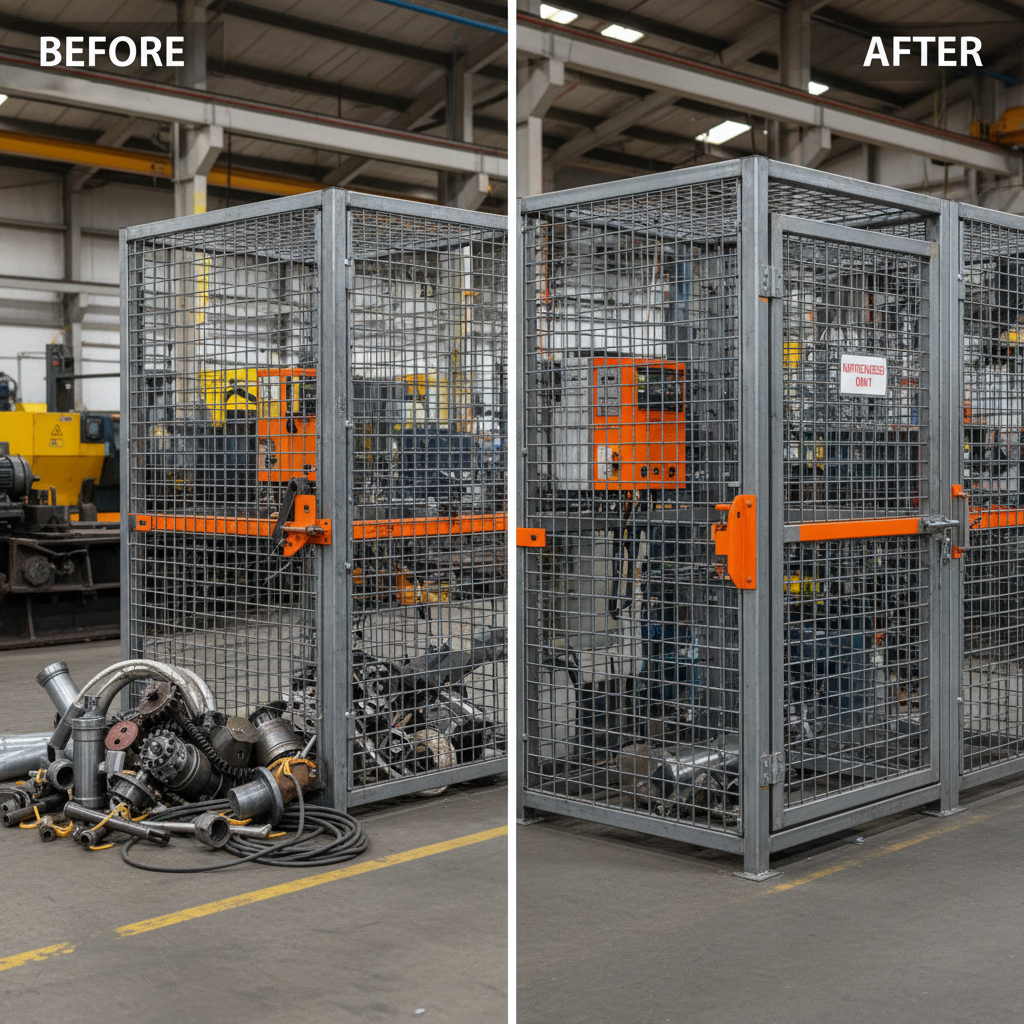
Understanding the Benefits of Welded Wire Utility Panels
The popularity of welded wire utility panels stems from several key advantages. First, they provide excellent strength and rigidity, resisting bending and warping even under stress. Their welded construction ensures a robust and lasting barrier. Second, they offer superior visibility compared to solid fencing, making them ideal for applications where monitoring is important. Third, installation is relatively straightforward and quick, reducing labor costs. Finally, they are a cost-effective fencing solution when compared to other materials like wood or wrought iron. This combination of benefits makes them a practical and efficient choice for diverse project requirements.
Key Highlights: Strong and rigid construction, excellent visibility, easy and quick installation, and cost-effective compared to alternatives.
Common Applications of Welded Wire Utility Panels
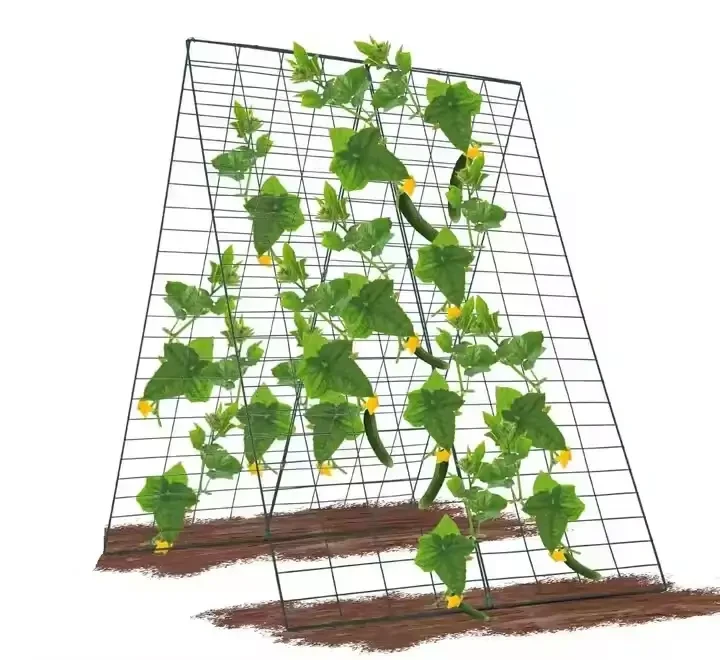
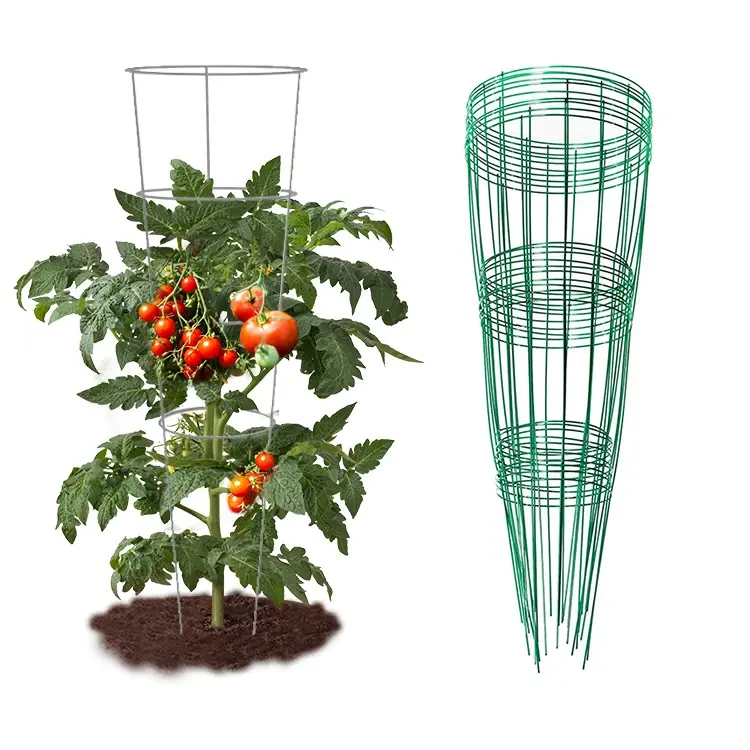
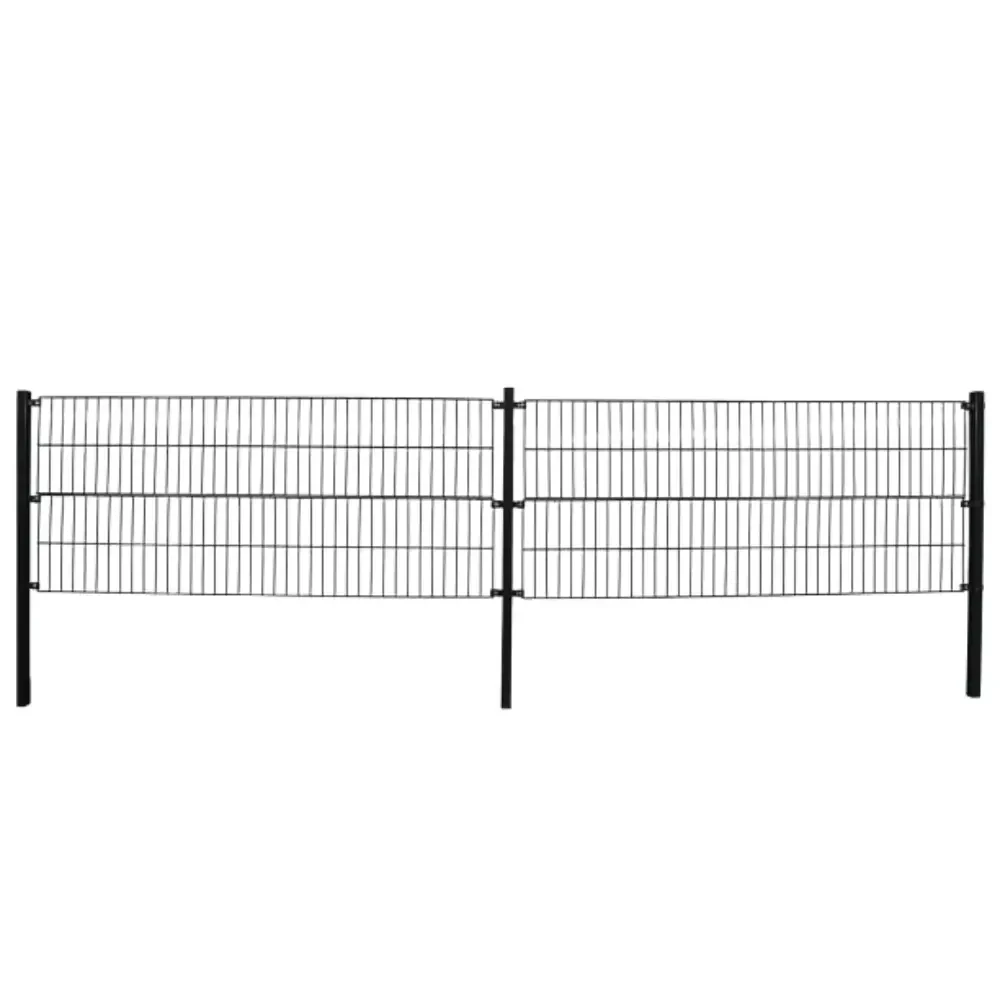
Welded wire utility panels find application across numerous industries. In agriculture, they’re used for creating animal enclosures like poultry runs, hog pens, and cattle fences. Construction sites utilize them for temporary perimeter fencing and security barriers. Industrial facilities employ them for machine guarding, safety enclosures, and storage area demarcation. Residential applications include garden fencing, pet enclosures, and supporting climbing plants. Their versatility makes them adaptable to a wide variety of needs. They are also widely utilized in waste management facilities for sorting and containing materials.
Application Areas:
• Agriculture: Animal Enclosures
• Construction: Temporary Fencing & Security
• Industrial: Machine Guarding & Safety
• Residential: Gardens, Pet Enclosures
Choosing the Right Welded Wire Utility Panel: Material and Specifications
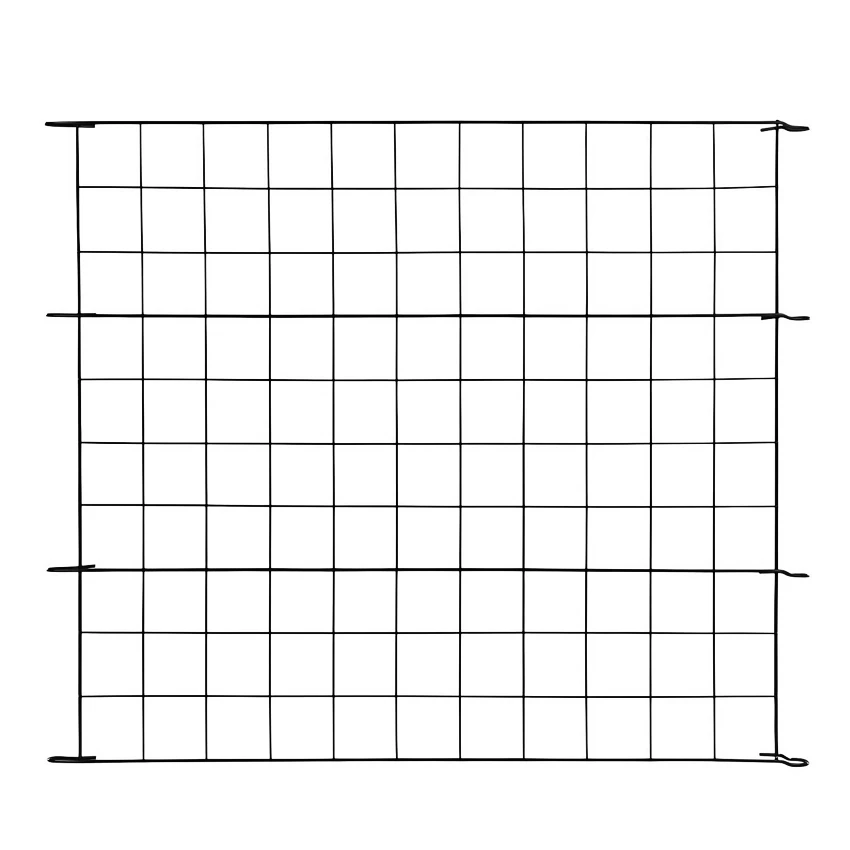
Selecting the appropriate welded wire utility panel involves considering material and specifications. Galvanized steel is the most common choice due to its corrosion resistance. Vinyl-coated panels offer enhanced durability and aesthetic appeal, and provide extra protection against the elements. Wire gauge (thickness) affects strength; lower gauge numbers indicate thicker, stronger wire. Mesh size (the spacing between wires) determines the level of security and containment. Panel height and width should be determined by the specific application requirements. When choosing a panel, prioritize quality materials and precise welding for long-lasting performance.
Installation Considerations for Welded Wire Utility Panels
Proper installation is crucial for maximizing the lifespan and effectiveness of your welded wire utility panels. Posts should be securely anchored in the ground using concrete or appropriate ground sleeves. The panels are typically attached to the posts using tension bands, hog rings, or wire ties. Ensure the panels are stretched taut to prevent sagging. Consider adding a top rail for increased stability, particularly in high-wind areas. Always follow local building codes and regulations regarding fencing installation. Consulting with a professional installer can guarantee a secure and long-lasting fence.
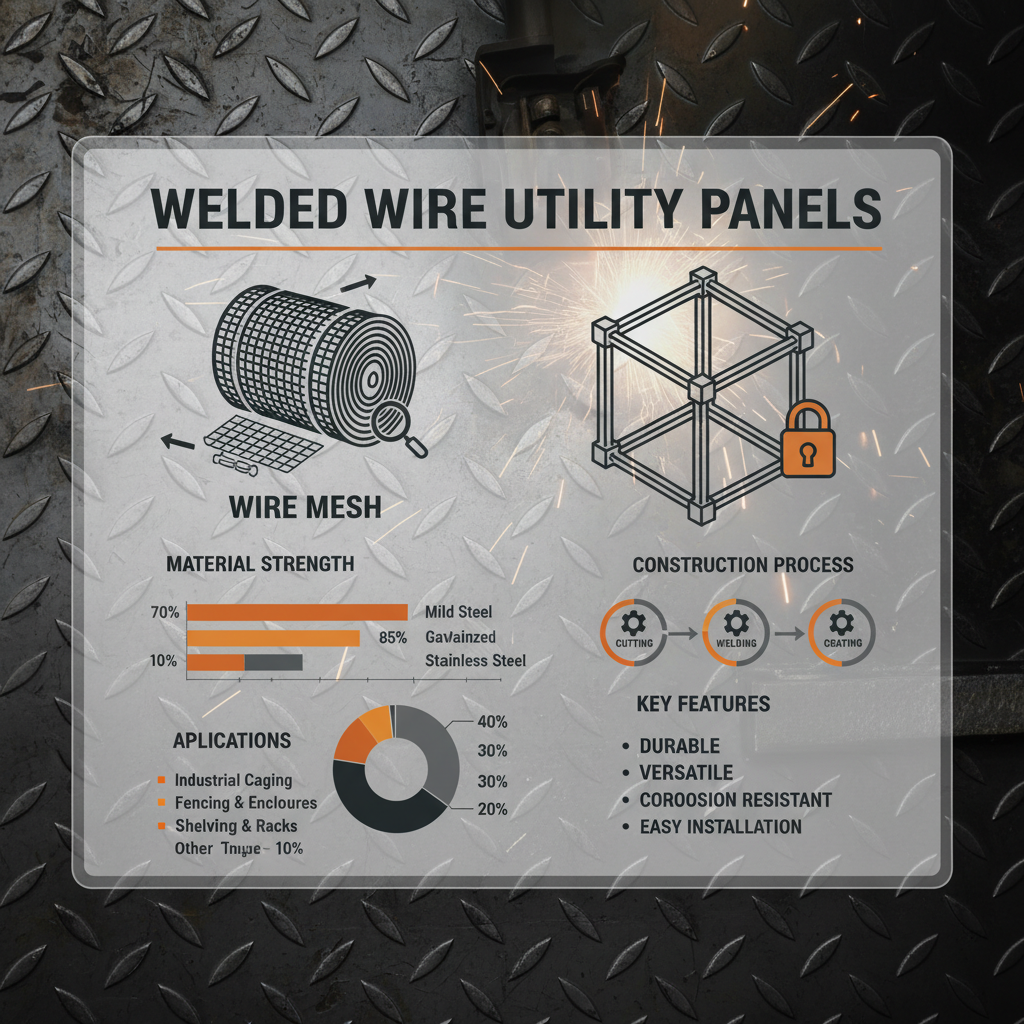
Sourcing High-Quality Welded Wire Utility Panels
When purchasing welded wire utility panels, choose a reputable supplier like Peiling Tech. Look for manufacturers who offer a wide range of sizes and materials to meet your specific needs. Consider factors like lead times, shipping costs, and customer support. Checking online reviews and requesting samples can help you assess the quality of the product and the reliability of the supplier. Prioritize suppliers who offer warranties and adhere to industry standards.
Conclusion: Finding the Right Panel for Your Needs
Investing in the right welded wire utility panels is a crucial step in ensuring the security, safety, and longevity of your project. By carefully considering the application, material, specifications, and installation process, you can make an informed decision that delivers optimal results. Don't compromise on quality – choose a reliable supplier and prioritize materials designed to withstand the test of time.
Frequently Asked Questions (FAQs)
What is the typical lifespan of welded wire utility panels?
The lifespan of welded wire utility panels varies based on the material and environmental conditions. Galvanized steel panels typically last 10-20 years with proper maintenance. Vinyl-coated panels can last even longer, up to 25 years or more, due to their superior corrosion resistance. Regular inspection and occasional cleaning can help extend the lifespan. Factors like salt spray (in coastal areas) and exposure to harsh chemicals can shorten the lifespan. Proper installation, minimizing ground contact, and addressing any damage promptly can all contribute to longevity.
Are welded wire panels suitable for high-security applications?
While welded wire panels offer good security, their suitability for high-security applications depends on the specific requirements. For basic perimeter security, they are often sufficient. However, for more critical applications, consider using smaller mesh sizes, thicker wire gauges, and reinforced panels. Combining welded wire with additional security features like barbed wire or security lighting can enhance protection. For extremely high-security needs, more robust fencing systems like chain-link or wrought iron may be necessary.
Can welded wire panels be used for temporary fencing?
Yes, welded wire panels are commonly used for temporary fencing, particularly on construction sites or for event perimeters. They are relatively lightweight and easy to install and remove. Temporary fencing panels are often supported by temporary fencing posts, which can be weighted or driven into the ground. Ensure the temporary fence is adequately secured to prevent unauthorized access and to comply with safety regulations.
What maintenance is required for welded wire utility panels?
Welded wire utility panels require minimal maintenance. Regular inspections for damage, such as broken wires or loose connections, are recommended. Removing any accumulated debris, such as vines or foliage, can help prevent corrosion. For galvanized steel panels, occasional painting or coating may be necessary to maintain corrosion resistance. Vinyl-coated panels generally require less maintenance as the coating provides a protective barrier.
-
Complete Guide to Choosing a Durable 4 foot wire fence rollNewsApr.16,2026
-
Guide to Choosing the Best Square Wire Fencing Roll for SecurityNewsApr.16,2026
-
High Quality Steel Welded Wire Rolled Fencing for Secure BoundariesNewsApr.16,2026
-
High Quality Black Fence Roll for Secure and Discreet PerimeterNewsApr.16,2026
-
Ultimate Guide to Temporary Fence Roll for Site Security and SafetyNewsApr.16,2026
-
High Quality Garden Mesh Roll Guide for Protecting Green SpaceNewsApr.09,2026