-

-
 Whatsapp:+86 17732187393
 -


Enhance Your Garden Security with Durable Wire Mesh Garden Fence Panels
Choosing the Right Wire Mesh Garden Fence Panels
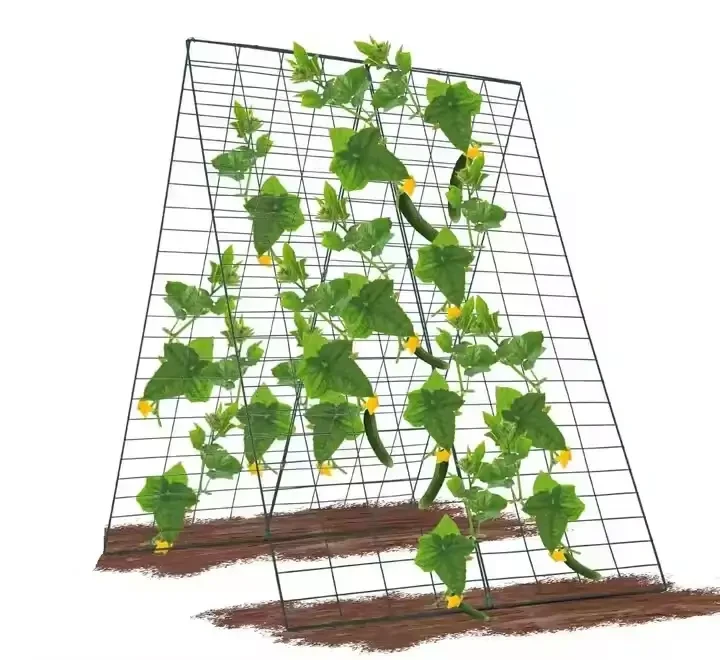
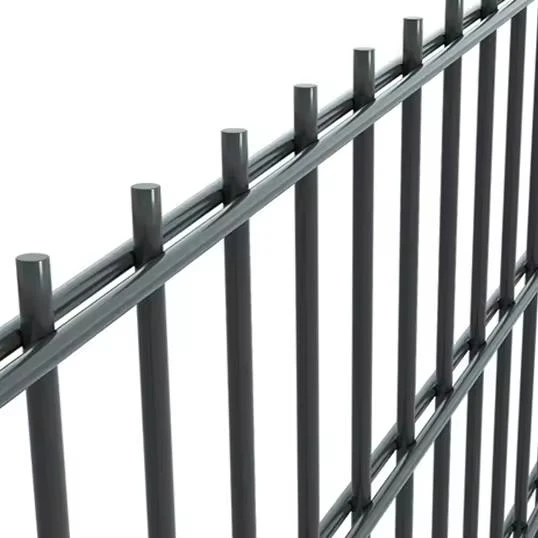
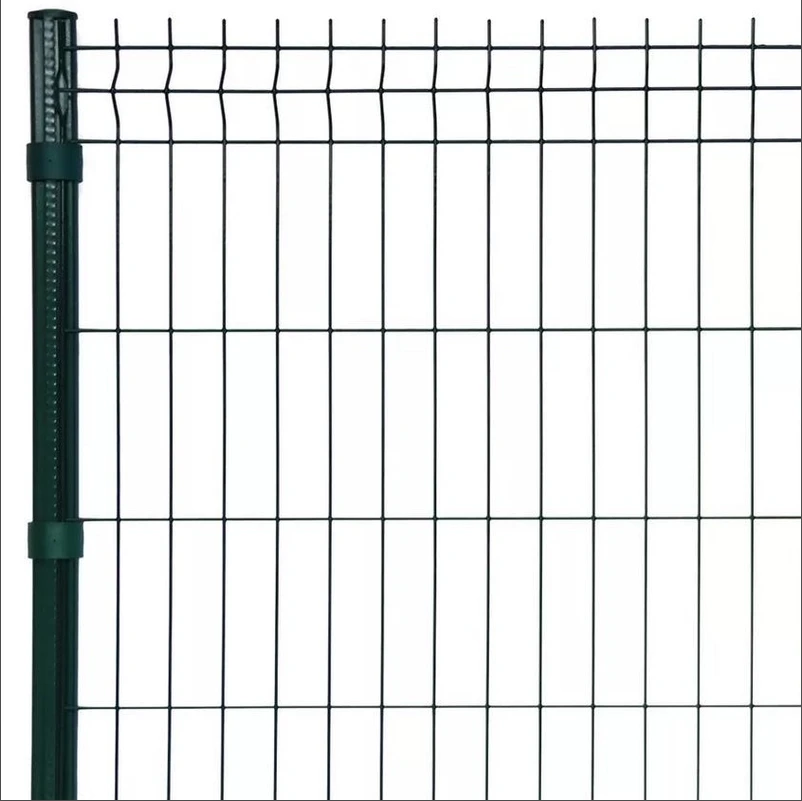
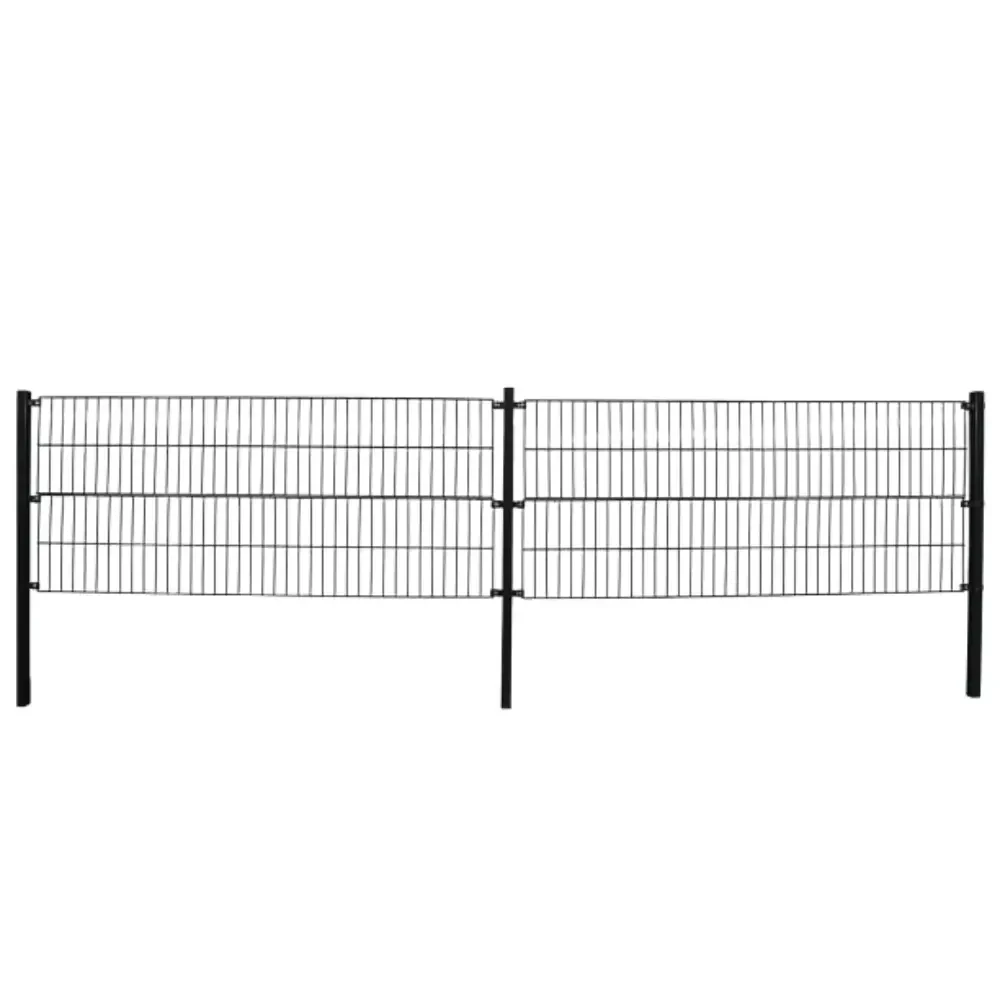
Securing your garden with a robust and aesthetically pleasing fence is crucial for both safety and curb appeal. Wire mesh garden fence panels offer a fantastic balance of security, durability, and cost-effectiveness. This guide will explore the benefits of these panels, different types available, installation considerations, and how to choose the best option for your needs. We’ll cover everything from selecting the right mesh size to understanding the various finishes available, ensuring your garden remains a safe and beautiful space.
The Benefits of Wire Mesh Garden Fence Panels
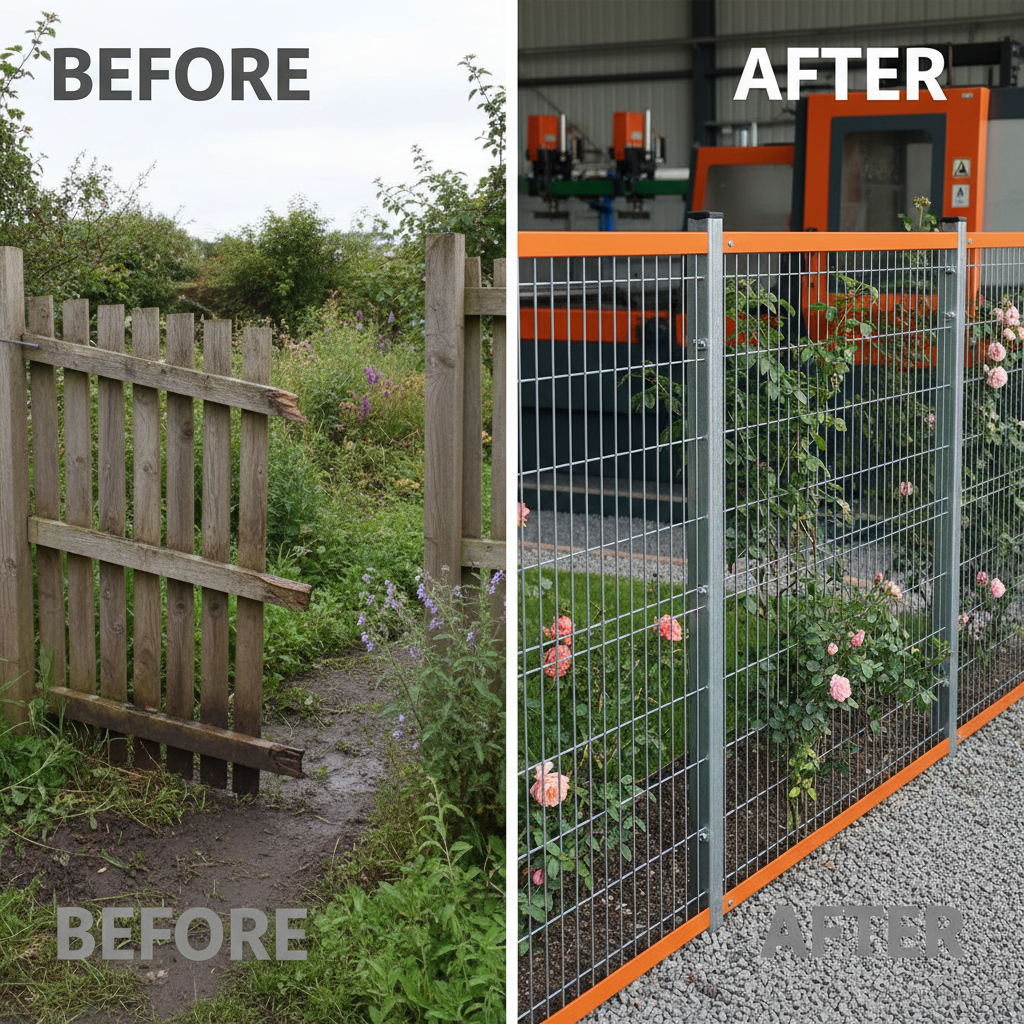
Compared to traditional wood or vinyl fences, wire mesh fence panels present several advantages. They are incredibly durable, resistant to rot, decay, and insect damage. This translates to lower long-term maintenance costs. The open mesh design allows for airflow and sunlight penetration, benefitting plant growth. Furthermore, they’re a cost-effective fencing solution, especially for larger gardens. Their lightweight nature also simplifies installation, reducing labor costs.
Key Highlights: Durability, cost-effectiveness, low maintenance, and allows for airflow and sunlight.
Types of Wire Mesh Garden Fence Panels
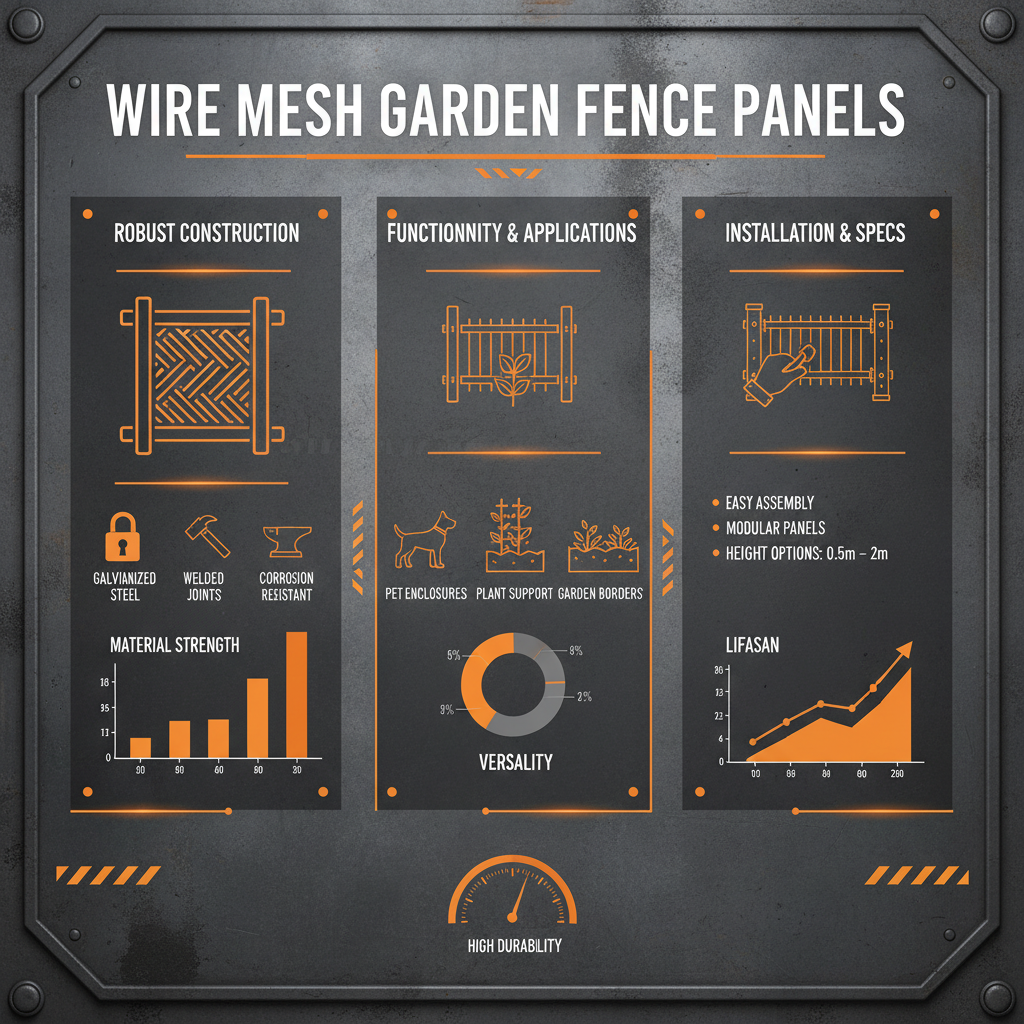
A variety of wire mesh panels cater to different needs and aesthetics. Common types include welded wire mesh, hexagonal wire netting, and chain link fencing. Welded wire mesh offers a clean, uniform appearance and is ideal for containing pets or securing vegetable gardens. Hexagonal wire netting is more flexible and suited for less formal boundaries. Chain link is known for its robust security and is a budget-friendly option. The gauge (thickness) of the wire and the aperture (mesh size) also vary, influencing the level of security and suitability for different animals or plants.
Mesh Type Benefits:
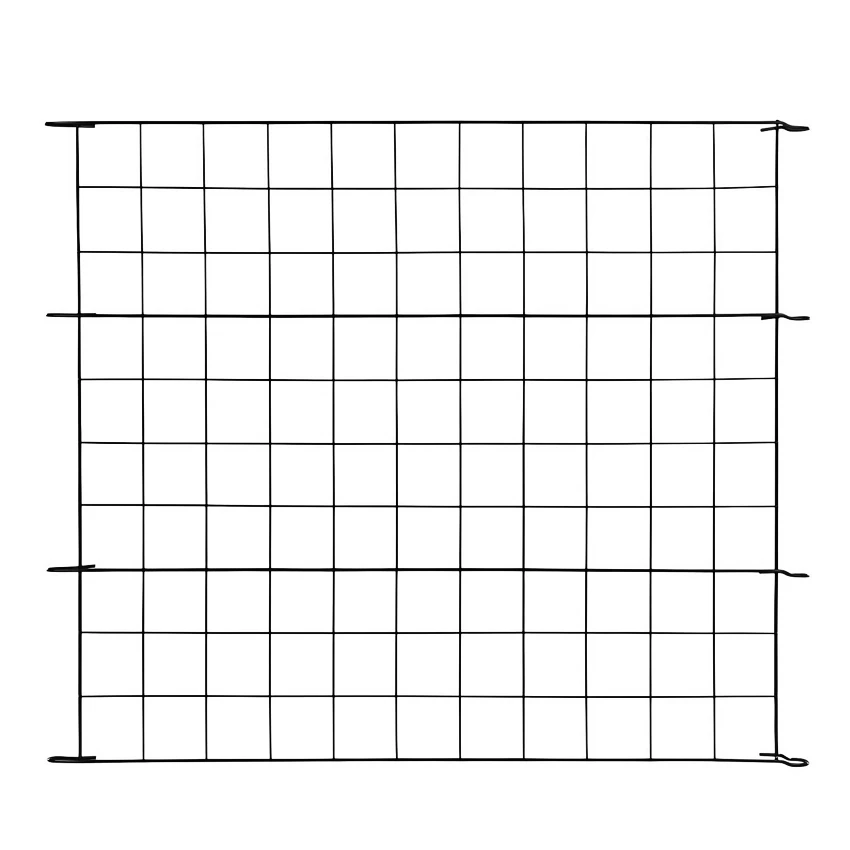
• Welded Wire: Clean appearance, good for pets & vegetables
• Hexagonal Netting: Flexible, informal boundaries
• Chain Link: Robust security, cost-effective
Wire Mesh Garden Fence Panels: Comparison Chart
Understanding the differences between the main types of wire mesh garden fence panels can help you make the best decision for your property. Here’s a detailed comparison:
Installation Considerations
Installing wire mesh garden fence panels is a relatively straightforward DIY project. However, proper planning is essential. Begin by marking the fence line and setting posts at regular intervals (typically 6-8 feet apart). Ensure the posts are securely anchored in the ground. Then, attach the wire mesh panels to the posts using suitable clips or wire. Consider the terrain and any slopes, adjusting the panel height accordingly. It's also crucial to check local regulations regarding fence height and placement.
Choosing the Right Panel for Your Garden
When selecting wire mesh garden fence panels, consider your specific needs. Are you protecting against small animals like rabbits, or larger ones like deer? What is the aesthetic you’re aiming for? What is your budget? Peiling Technology offers a wide range of options to suit every requirement. Our team can provide expert advice and help you choose the perfect panels for your garden. Don't hesitate to contact us for a free quote and consultation!
Conclusion: Secure Your Garden with Quality Wire Mesh
Investing in quality wire mesh garden fence panels is a smart and cost-effective way to protect your garden and enhance its beauty. With a variety of styles and materials available, you can find the perfect solution to meet your specific needs. Contact Peiling Technology today for a free consultation and discover the perfect fencing solution for your garden!
Frequently Asked Questions (FAQs)
What is the best wire gauge for keeping rabbits out?
For effective rabbit control, a wire gauge of 19 or lower is recommended. This refers to the thickness of the wire; lower numbers indicate thicker wire. Rabbits can chew through thinner gauges. A mesh size of 1 inch or smaller is also crucial to prevent them from squeezing through. Consider reinforcing the bottom of the fence with buried wire mesh to prevent digging. The wire mesh garden fence panels available at Peiling Technology offer a variety of gauges and mesh sizes to suit your needs.
How long will a wire mesh fence last?
The lifespan of a wire mesh fence depends on several factors, including the quality of the materials, the climate, and maintenance. Galvanized or PVC-coated wire mesh will last significantly longer than uncoated wire, as they resist rust and corrosion. With proper installation and occasional maintenance (cleaning and repairing any damage), a well-maintained wire mesh fence can last 10-20 years or even longer.
Can I paint wire mesh fencing?
Yes, you can paint wire mesh fencing, but proper preparation is essential. First, thoroughly clean the mesh to remove any dirt, grease, or rust. Then, apply a metal primer specifically designed for galvanized or coated metal. Finally, apply one or two coats of exterior-grade paint. Choose a paint color that complements your garden and surroundings. Avoid using dark colors, as they can absorb heat and potentially damage the wire mesh.
What's the difference between galvanized and PVC-coated wire mesh?
Galvanized wire mesh is coated with a layer of zinc to protect against rust. PVC-coated wire mesh has an additional layer of PVC plastic over the galvanization, offering even greater protection against corrosion and a more aesthetically pleasing finish. PVC coating also adds a degree of flexibility and reduces the risk of sharp edges. While PVC-coated wire mesh is generally more expensive, it offers superior durability and longevity.
-
Complete Guide to Choosing a Durable 4 foot wire fence rollNewsApr.16,2026
-
Guide to Choosing the Best Square Wire Fencing Roll for SecurityNewsApr.16,2026
-
High Quality Steel Welded Wire Rolled Fencing for Secure BoundariesNewsApr.16,2026
-
High Quality Black Fence Roll for Secure and Discreet PerimeterNewsApr.16,2026
-
Ultimate Guide to Temporary Fence Roll for Site Security and SafetyNewsApr.16,2026
-
High Quality Garden Mesh Roll Guide for Protecting Green SpaceNewsApr.09,2026