-

-
 Whatsapp:+86 17732187393
 -


Comprehensive Guide to Wire Mesh Fence Rolls for Global Trade and Security
Wire Mesh Fence Rolls: A Comprehensive Guide for Global Trade
Selecting the right wire mesh fence rolls is crucial for securing properties, livestock, or construction sites. This article provides an in-depth exploration of wire mesh fence rolls, covering types, applications, material considerations, and critical factors for international sourcing. We'll focus on understanding the nuances of global trade to ensure you acquire the best product for your specific needs. Proper fencing is an investment in security, and informed decision-making is paramount.
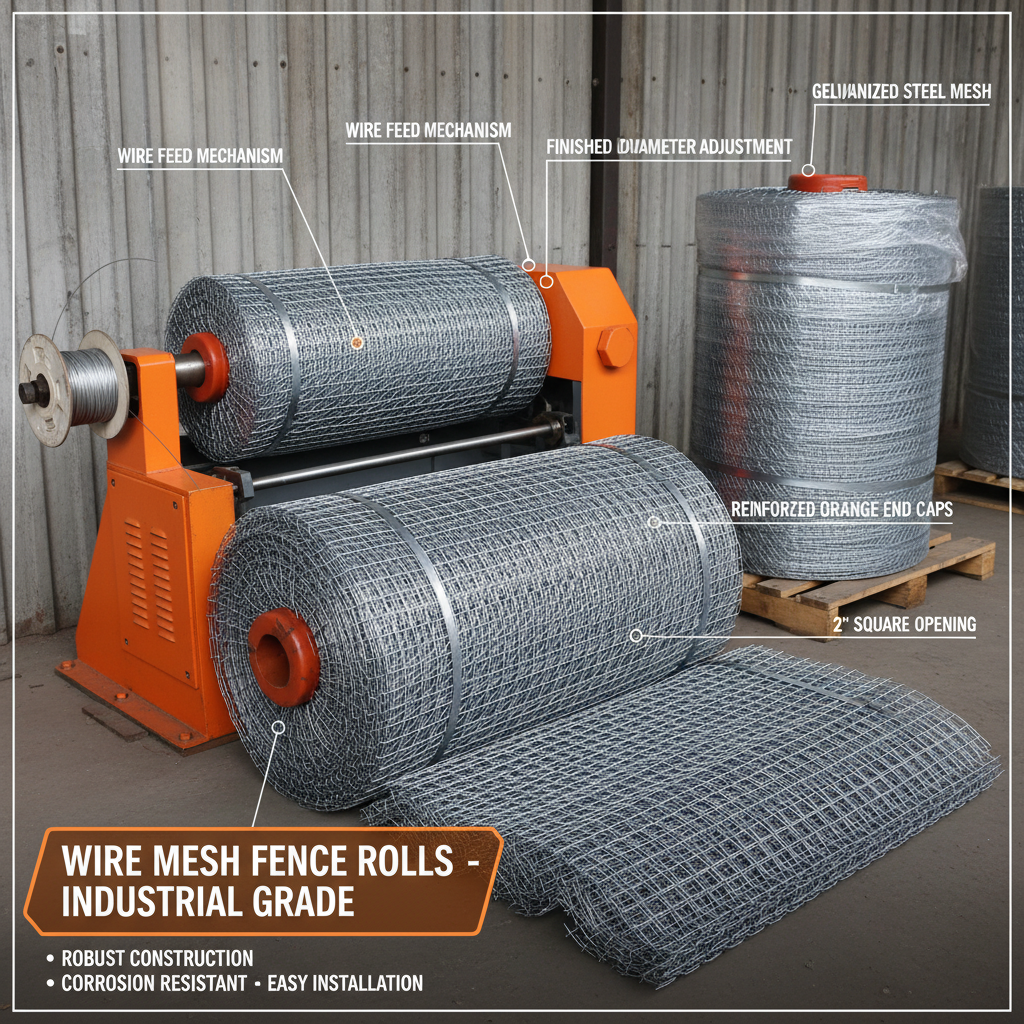
Understanding Different Types of Wire Mesh Fence Rolls
Wire mesh fence rolls come in a variety of types, each suited for different applications. Commonly available options include: welded wire mesh, chain link fence, hexagonal wire netting, and crimped wire mesh. Welded wire mesh offers excellent strength and rigidity, making it ideal for animal enclosures and security fencing. Chain link provides cost-effective security, while hexagonal netting is popular for poultry and garden fencing. Crimped wire mesh is known for its flexibility and is frequently used in industrial applications. Selecting the appropriate type hinges on your intended use and budget.
Key Takeaway: The optimal fence roll choice depends on factors like required security level, animal type, environmental conditions, and budget constraints.
Material Considerations: Galvanized Steel vs. Stainless Steel
The material of the wire mesh significantly impacts its durability and lifespan. Galvanized steel is a popular choice due to its cost-effectiveness and rust resistance. However, the level of galvanization varies, affecting longevity. Stainless steel offers superior corrosion resistance, making it ideal for harsh environments, such as coastal areas or industrial facilities. While more expensive, stainless steel requires less maintenance and has a longer lifespan. Consider the environment and budget when choosing between these materials. Peilingtech offers both galvanized and stainless steel options to suit diverse needs.
Material Comparison:
• Galvanized Steel: Cost-effective, good rust resistance, requires periodic maintenance.
• Stainless Steel: Superior corrosion resistance, long lifespan, higher initial cost, minimal maintenance.
Key Specifications to Consider When Purchasing Wire Mesh Fence Rolls
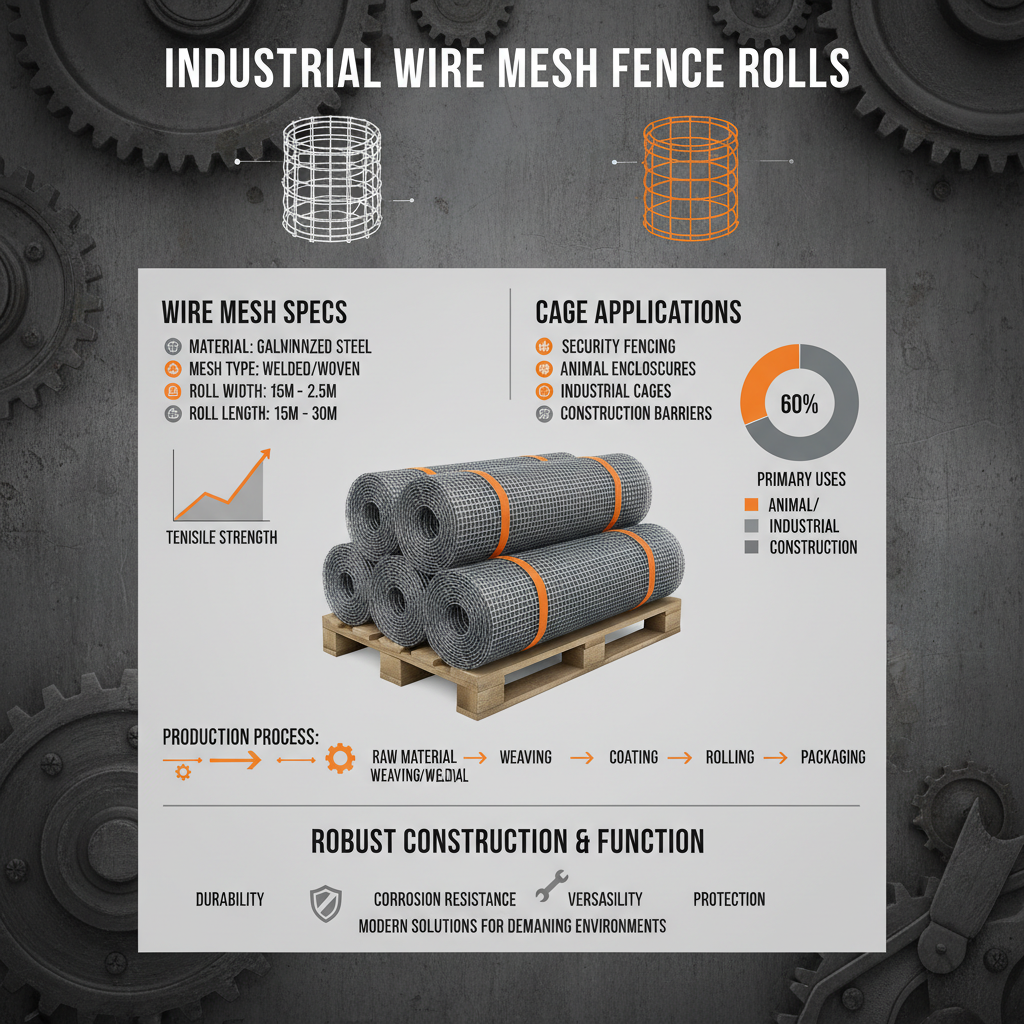
When sourcing wire mesh fence rolls, several specifications are vital. These include: wire diameter, aperture size (mesh opening), roll height, roll length, and surface treatment. Wire diameter impacts strength; larger diameters are stronger. Aperture size determines what can pass through the fence. Roll height and length dictate coverage area. Surface treatment, such as galvanization or PVC coating, influences corrosion resistance and aesthetics. Understanding these specifications ensures you receive a product that meets your exact requirements.
Navigating International Trade: Import/Export Considerations
Importing or exporting wire mesh fence rolls requires careful attention to international trade regulations. Key considerations include: tariffs, import duties, transportation costs, and compliance with country-specific standards. It's essential to work with a reputable supplier who understands these complexities and can provide accurate documentation. Ensure the supplier can meet your quality standards and deliver the product on time and within budget. Understanding Incoterms (International Commercial Terms) is also crucial for defining responsibilities between buyer and seller.
Choosing the Right Supplier: Peilingtech's Commitment to Quality
Selecting a reliable supplier is paramount for a successful procurement process. Peilingtech is a leading manufacturer and exporter of wire mesh fence rolls, dedicated to providing high-quality products and exceptional customer service. We offer a wide range of options, competitive pricing, and comprehensive support throughout the entire process. Our commitment to quality control ensures that every roll meets stringent industry standards. We prioritize building long-term relationships with our clients based on trust and mutual success.
Conclusion: Secure Your Investment with the Right Fence Roll
Investing in quality wire mesh fence rolls is essential for long-term security and peace of mind. By understanding the different types, materials, specifications, and trade considerations, you can make an informed decision that meets your specific needs. Peilingtech is your trusted partner for sourcing high-quality fence rolls globally.
Frequently Asked Questions (FAQs)
What is the typical lifespan of a galvanized steel wire mesh fence roll?
The lifespan of a galvanized steel wire mesh fence roll varies depending on environmental conditions and the quality of galvanization. In relatively mild environments, it can last 10-20 years. However, in coastal areas or industrial settings with high exposure to corrosive elements, the lifespan may be shorter, typically 5-10 years. Regular inspection and maintenance, such as applying a protective coating, can extend the lifespan. The thickness of the galvanization coating (measured in zinc coating weight) directly impacts durability.
What are the key factors to consider when importing wire mesh fence rolls from China?
When importing from China, focus on verifying the supplier's certifications (ISO 9001, etc.), conducting factory audits, and ensuring compliance with relevant international standards. Pay close attention to quality control processes, shipping terms (Incoterms), and payment methods (Letter of Credit is recommended for large orders). Obtain clear documentation, including a detailed invoice and packing list. It is also wise to be familiar with import regulations in your country to avoid delays and unexpected costs.
Can wire mesh fence rolls be customized to specific dimensions?
Yes, most reputable manufacturers, including Peilingtech, offer customization options. You can typically specify the roll height, roll length, aperture size, wire diameter, and surface treatment to meet your exact requirements. Customization may involve a minimum order quantity or longer lead times. It’s crucial to communicate your needs clearly to the supplier during the quotation process.
What are Incoterms and why are they important?
Incoterms (International Commercial Terms) are a set of standardized trade terms defined by the International Chamber of Commerce. They define the responsibilities of buyers and sellers, including transportation costs, insurance, and risk of loss. Using Incoterms clarifies the terms of sale and helps avoid disputes. Common Incoterms include FOB (Free on Board), CIF (Cost, Insurance, and Freight), and EXW (Ex Works). Understanding which Incoterm is used in a transaction is crucial for both parties to fulfill their obligations.
-
Complete Guide to Choosing a Durable 4 foot wire fence rollNewsApr.16,2026
-
Guide to Choosing the Best Square Wire Fencing Roll for SecurityNewsApr.16,2026
-
High Quality Steel Welded Wire Rolled Fencing for Secure BoundariesNewsApr.16,2026
-
High Quality Black Fence Roll for Secure and Discreet PerimeterNewsApr.16,2026
-
Ultimate Guide to Temporary Fence Roll for Site Security and SafetyNewsApr.16,2026
-
High Quality Garden Mesh Roll Guide for Protecting Green SpaceNewsApr.09,2026