-

-
 Whatsapp:+86 17732187393
 -


Guide to Choosing the Best green garden fencing roll for Landscape
The Ultimate Guide to Choosing a Green Garden Fencing Roll
Creating a serene and secure outdoor space requires a balance between functionality and aesthetics. A green garden fencing roll offers an ideal solution for homeowners and professional landscapers alike, providing an immediate boundary that blends seamlessly with the natural environment. Whether you are looking to protect your delicate flower beds from pets or seeking a subtle privacy screen, the right fencing roll can transform your backyard into a private sanctuary. In this guide, we will explore the various types, installation tips, and key benefits of using high-quality green fencing to enhance your garden's appeal and security.
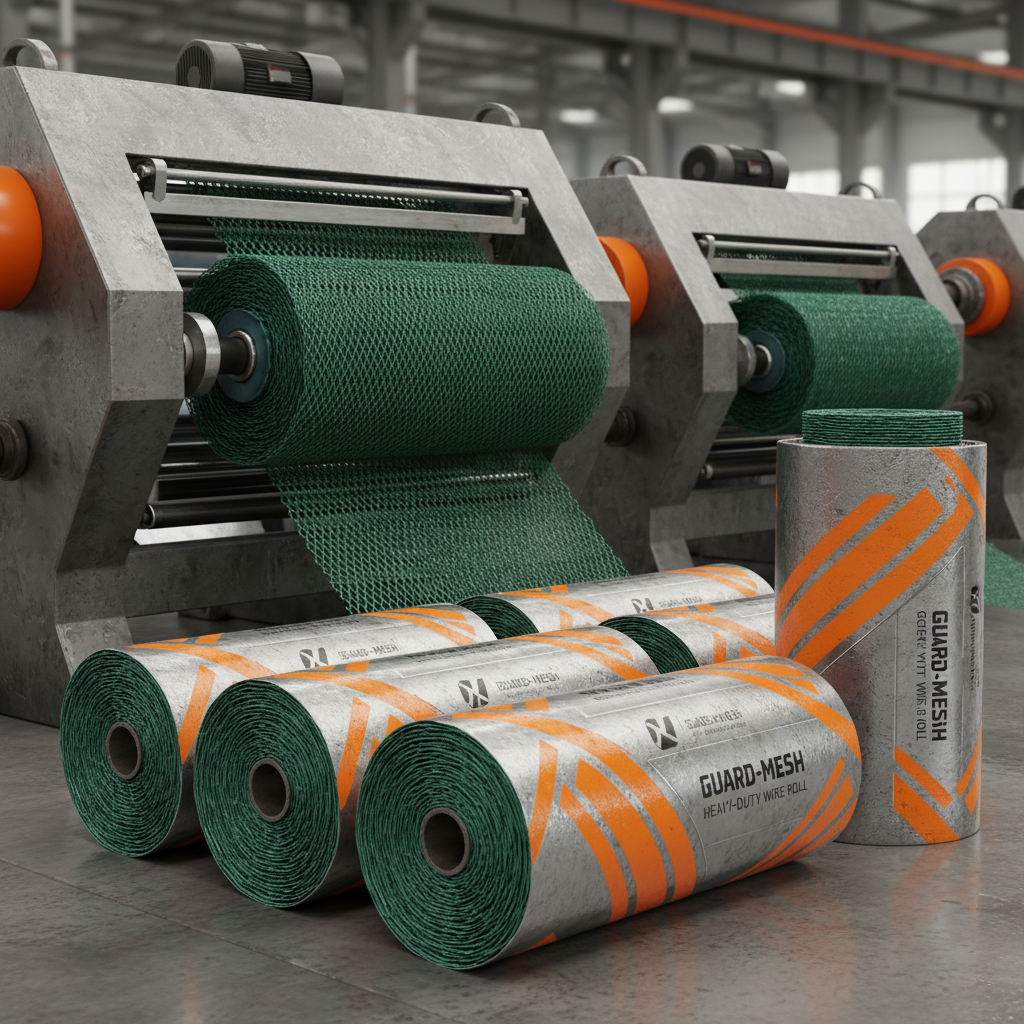
Why Choose a Green Garden Fencing Roll for Your Landscape?
One of the primary advantages of using a green garden fencing roll is its unobtrusive nature. Unlike wooden or metal fences that can feel imposing, a green roll mimics the surrounding foliage, making the boundary feel natural rather than artificial. Beyond aesthetics, these rolls are designed for durability and weather resistance, ensuring they withstand rain, wind, and intense sunlight without fading quickly. This makes them a cost-effective alternative for temporary projects or permanent low-profile boundaries.
Pro Tip: When selecting your fencing, ensure the material is UV-stabilized to prevent the green pigment from breaking down under prolonged sun exposure, maintaining that fresh look for years.
Comparing Materials for Green Garden Fencing Roll
Not all fencing rolls are created equal. Depending on your specific needs—whether it's keeping out rabbits or providing a windbreak—the material you choose will vary. HDPE (High-Density Polyethylene) is often preferred for its strength and flexibility, while PVC-coated wires provide a more rigid structure. Understanding these differences helps in maximizing the lifespan of your green garden fencing roll investment.
Installation Tips for Your Green Garden Fencing Roll
Installing a green garden fencing roll is a straightforward process, but proper preparation ensures the fence remains taut and professional-looking. First, clear the perimeter of any large debris or protruding roots. Use sturdy stakes—either wooden or metal—spaced every 2 to 3 meters. Unroll the fencing slowly, securing it to the stakes with heavy-duty cable ties or galvanized staples. To avoid sagging over time, always maintain a slight tension across the length of the roll during installation.
Versatile Applications of Green Garden Fencing
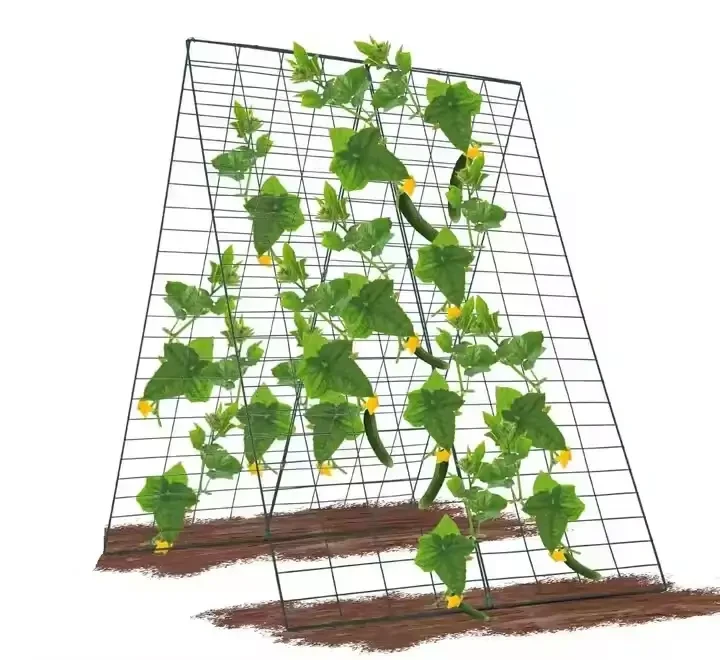
The utility of a green garden fencing roll extends far beyond simple boundary marking. Many gardeners use it as a support system for climbing plants, such as ivy or jasmine, allowing the fence to eventually disappear under a blanket of real greenery. Additionally, it serves as an effective barrier for composting areas or tool sheds, keeping unsightly equipment hidden from view. In commercial landscaping, these rolls are often used to protect newly planted sod or seedlings from foot traffic and wildlife.
Technical Specifications of the Green Garden Fencing Roll
When purchasing from a professional supplier, it is important to check the technical specifications to ensure the product meets your project requirements. Factors such as mesh size, roll width, and material density determine the level of protection provided. A high-density weave will offer more privacy, while a wider mesh is better for airflow and plant growth. Below are the standard specifications for our premium green garden fencing roll series.
Maintenance for Long-Term Fence Health
To ensure your green garden fencing roll remains in peak condition, minimal maintenance is required. We recommend a quarterly check to tighten any loose ties or replace stakes that may have shifted due to soil erosion. For plastic-based rolls, a simple rinse with a garden hose can remove dust and salt buildup, which prevents the material from becoming brittle. If you notice any tears from animal activity, small patches can be easily applied using industrial-strength outdoor adhesive or zip ties, extending the life of the fence significantly.
Conclusion: Enhancing Your Garden with a Green Fencing Roll
Investing in a high-quality green garden fencing roll is an efficient way to combine security, privacy, and natural beauty. By selecting the right material and following proper installation techniques, you can create a durable boundary that protects your plants and enhances your outdoor living space. Whether for a small vegetable patch or a sprawling estate, this versatile solution offers the perfect blend of invisibility and strength. Visit Peiling Tech today to find the perfect roll for your gardening needs.
Frequently Asked Questions (FAQs)
How long does a green garden fencing roll typically last?
The lifespan varies based on the material. High-quality UV-stabilized HDPE rolls can last between 5 to 10 years depending on the intensity of the sunlight and local weather conditions. PVC-coated metal rolls may last even longer, though they can be prone to rust if the coating is scratched. To maximize longevity, ensure the fence is installed with proper tension to avoid wear and tear from sagging or rubbing against sharp objects.
Can this fencing be used to stop pests like rabbits or deer?
Yes, but it depends on the mesh size. For small pests like rabbits, a fine-mesh green roll is highly effective. For larger animals like deer, you will need a taller roll (at least 1.5m to 2m) with a more rigid structure, such as PVC-coated wire. Combining a green fencing roll with a slightly buried edge can also prevent animals from burrowing underneath the fence into your garden beds.
Is a green garden fencing roll environmentally friendly?
Many modern rolls are made from recyclable polymers like HDPE, which reduces the environmental footprint compared to chemically treated lumber. Additionally, because it encourages the growth of climbing plants, it contributes to urban greenery and biodiversity. When the fence eventually reaches the end of its life, we recommend checking if the specific material is recyclable in your local municipality to ensure a sustainable disposal process.
How do I choose the right height for my roll?
Choosing the right height depends on your goal. For simple plant protection or "keep off the grass" markers, a 0.6m to 1.0m roll is sufficient. For privacy or creating a significant animal barrier, 1.2m to 1.5m is the standard choice. Always measure your area and consider the height of the surrounding vegetation; if you want the fence to be invisible, match it to the height of your existing hedges.
-
Complete Guide to Choosing a Durable 4 foot wire fence rollNewsApr.16,2026
-
Guide to Choosing the Best Square Wire Fencing Roll for SecurityNewsApr.16,2026
-
High Quality Steel Welded Wire Rolled Fencing for Secure BoundariesNewsApr.16,2026
-
High Quality Black Fence Roll for Secure and Discreet PerimeterNewsApr.16,2026
-
Ultimate Guide to Temporary Fence Roll for Site Security and SafetyNewsApr.16,2026
-
High Quality Garden Mesh Roll Guide for Protecting Green SpaceNewsApr.09,2026