-

-
 Whatsapp:+86 17732187393
 -


The Rise of Heavy Duty Mesh Panels in Industrial Applications
Understanding the Rise of Heavy Duty Mesh Panels
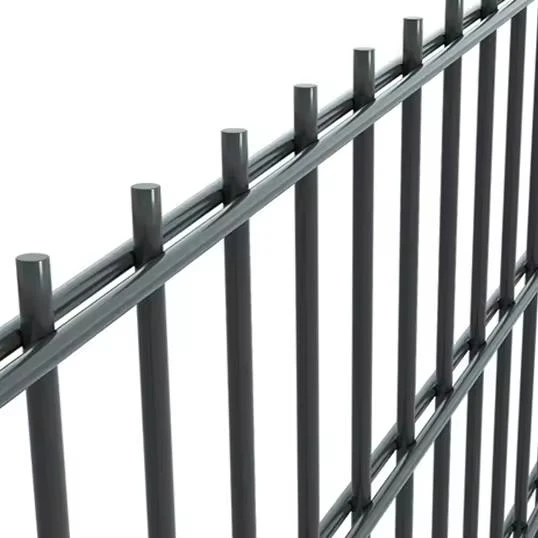
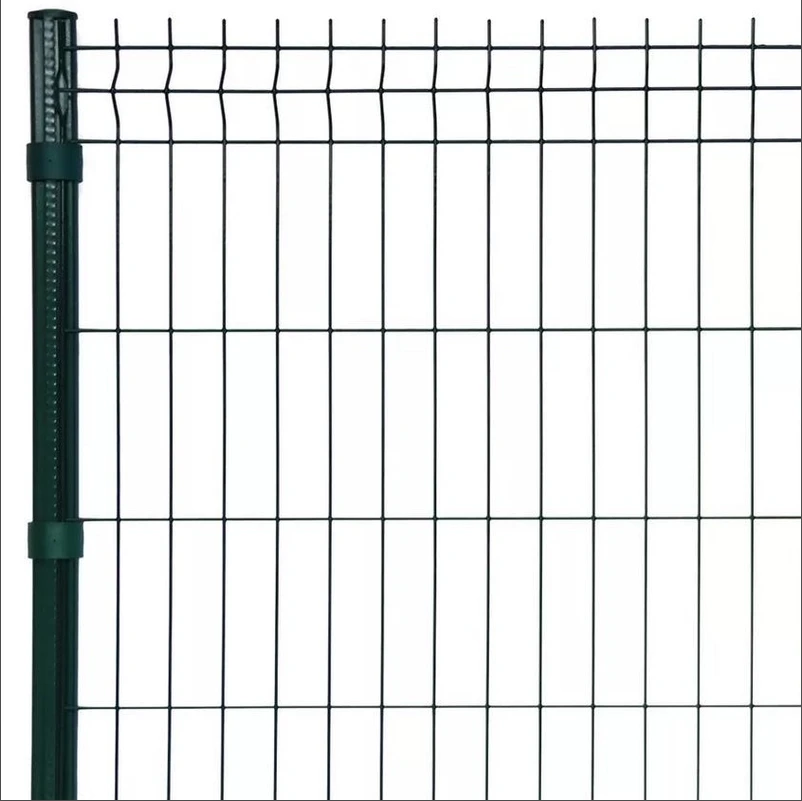
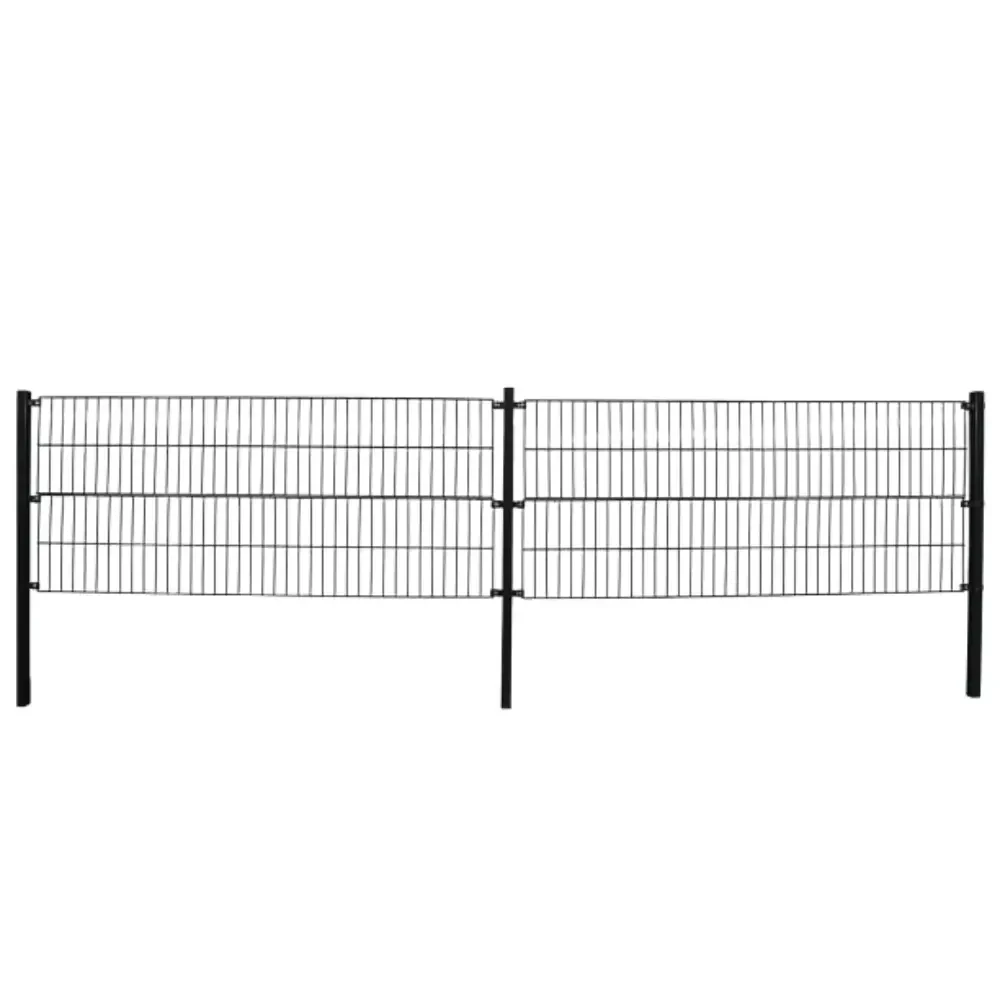
Heavy Duty Mesh Panels…they’re cropping up everywhere these days, aren’t they? It's more than just a trend; it feels like a fundamental shift in how industries are approaching material handling, security, and even architectural design. Frankly, I’ve been seeing them in applications I never would have imagined a few years ago. From conveyor systems in food processing plants to robust fencing for high-security facilities, the versatility is remarkable. And it’s all rooted in a simple premise: providing a strong, durable, and surprisingly lightweight alternative to traditional solid panels.
Table of Contents
- Heavy Duty Mesh Panels: The Basics
- Applications and Advantages
- Cost and Performance
- The Future of Mesh
Heavy Duty Mesh Panels: The Basics
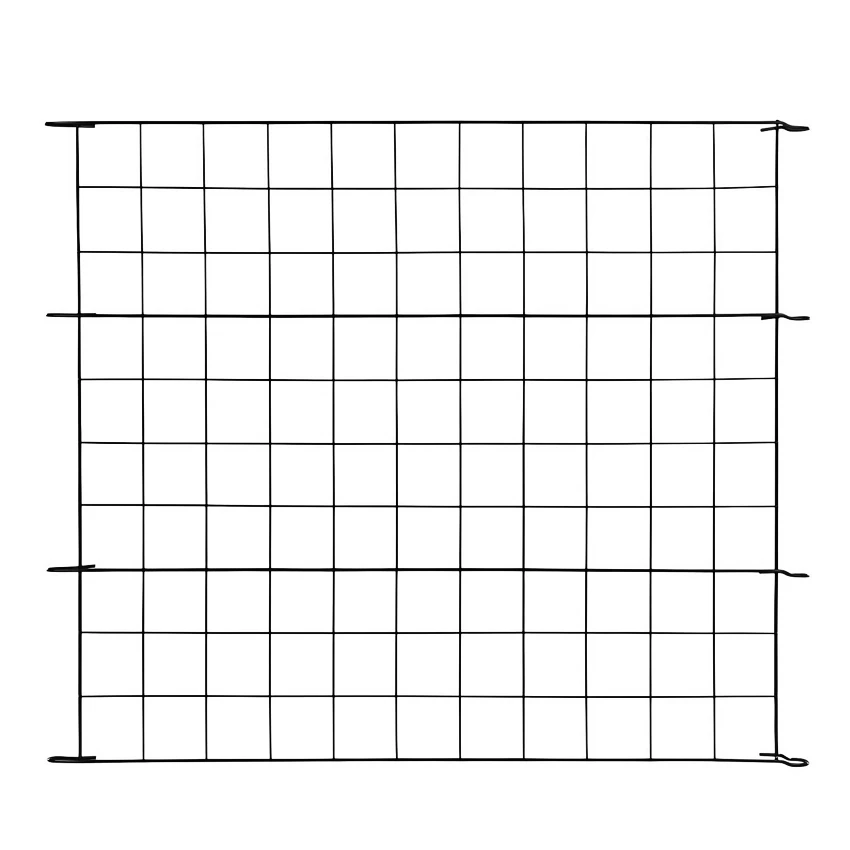
At their core, these panels are constructed from interwoven wires – typically stainless steel, carbon steel, or even specialized alloys – creating a grid-like structure. The 'heavy duty' designation refers to the wire gauge and the density of the weave. You know, it's not just about thickness. The way the wires are interlocked makes a huge difference in overall strength and resistance to deformation. I suppose the beauty of it is in its simplicity… and the precision manufacturing. Here’s a quick look at some typical specs:
| Specification | Typical Value | Units |
|---|---|---|
| Wire Diameter | 2.0 - 6.0 | mm |
| Aperture Size | 10 - 50 | mm |
| Tensile Strength | 500 - 1200 | MPa |
Applications and Advantages
The applications are really quite broad. You’ve got your standard industrial uses – machine guarding, conveyor belting, sorting systems… but then you start seeing it in architectural projects as facade cladding, security screens, and even decorative elements. Many engineers I've spoken with appreciate the airflow properties; it's often crucial in applications where heat dissipation is a concern. Plus, the weight-to-strength ratio is a significant advantage. It’s easier to handle and install than solid metal alternatives, reducing labor costs. And, oddly enough, it's become popular for animal enclosures. Apparently, it offers excellent visibility and ventilation.
Cost and Performance
The initial cost can sometimes be higher than some traditional options, but the long-term ROI is often compelling. The durability is key. These panels require minimal maintenance – typically just occasional cleaning – and they resist corrosion exceptionally well. One client, a food processing company, replaced their old plastic guards with heavy duty mesh panels and saw a significant reduction in downtime due to breakage. Here's a quick comparison of some suppliers, based on what I’ve gathered from industry contacts:
| Vendor | Price (per sq. meter) | Lead Time | Customization |
|---|---|---|---|
| Peiling Tech | $45 - $90 | 2-3 weeks | High |
| Global Mesh Inc. | $50 - $100 | 3-4 weeks | Medium |
| WireWeave Solutions | $60 - $120 | 4-6 weeks | Low |
The Future of Mesh
Sustainability is going to be a major driver. Demand for recyclable and durable materials is only increasing, and these panels fit the bill nicely. We’re also seeing innovation in mesh design – tighter weaves, new alloys, and even integrated sensor technology. I think we’ll see more “smart” mesh panels that can monitor stress, temperature, or even detect security breaches. The industry is, sort of, on the cusp of some really exciting developments.
Frequently Asked Questions about Heavy Duty Mesh Panels
- What is Heavy Duty Mesh Panels and how does it work?
- Heavy Duty Mesh Panels are created by weaving metal wires together, forming a robust grid. This structure provides high strength and durability while remaining relatively lightweight, allowing for diverse applications from security to industrial filtration.
- What are the main benefits of using Heavy Duty Mesh Panels in industrial applications?
- The key benefits include increased durability compared to traditional materials, cost-effectiveness due to lower maintenance, improved ventilation and airflow, and enhanced safety features for equipment guarding and personnel protection.
- How does Heavy Duty Mesh Panels compare to traditional alternatives?
- Compared to solid metal panels, mesh offers better visibility and airflow, reducing heat buildup. Compared to plastic alternatives, it provides superior strength, impact resistance, and lifespan, making it a more sustainable option overall.
- What industries can benefit most from Heavy Duty Mesh Panels implementation?
- Industries such as food processing, manufacturing, construction, security, agriculture, and architecture stand to gain significantly from implementing Heavy Duty Mesh Panels due to their versatility and resilience.
Conclusion on Heavy Duty Mesh Panels from China
So, what's the takeaway? Heavy duty mesh panels aren't just a niche product; they’re a strategically sound investment for businesses looking for durable, versatile, and cost-effective solutions.
- - Visit our website: https://www.peilingtech.com
-
Complete Guide to Choosing a Durable 4 foot wire fence rollNewsApr.16,2026
-
Guide to Choosing the Best Square Wire Fencing Roll for SecurityNewsApr.16,2026
-
High Quality Steel Welded Wire Rolled Fencing for Secure BoundariesNewsApr.16,2026
-
High Quality Black Fence Roll for Secure and Discreet PerimeterNewsApr.16,2026
-
Ultimate Guide to Temporary Fence Roll for Site Security and SafetyNewsApr.16,2026
-
High Quality Garden Mesh Roll Guide for Protecting Green SpaceNewsApr.09,2026