-

-
 Whatsapp:+86 17732187393
 -


Comprehensive Guide to Chicken Wire Cost Per Roll and Factors Affecting Price
Understanding Chicken Wire Cost Per Roll
Chicken wire, a versatile woven wire mesh, is a staple in various applications – from poultry enclosures and garden fencing to crafting and home improvement projects. Understanding the chicken wire cost per roll is crucial for budgeting effectively. This article delves into the factors influencing pricing, typical costs, and how to get the best value. We'll explore different gauges, roll sizes, and materials, helping you make informed decisions for your specific needs. Proper planning ensures you acquire the right chicken wire without overspending.
Factors Influencing Chicken Wire Pricing
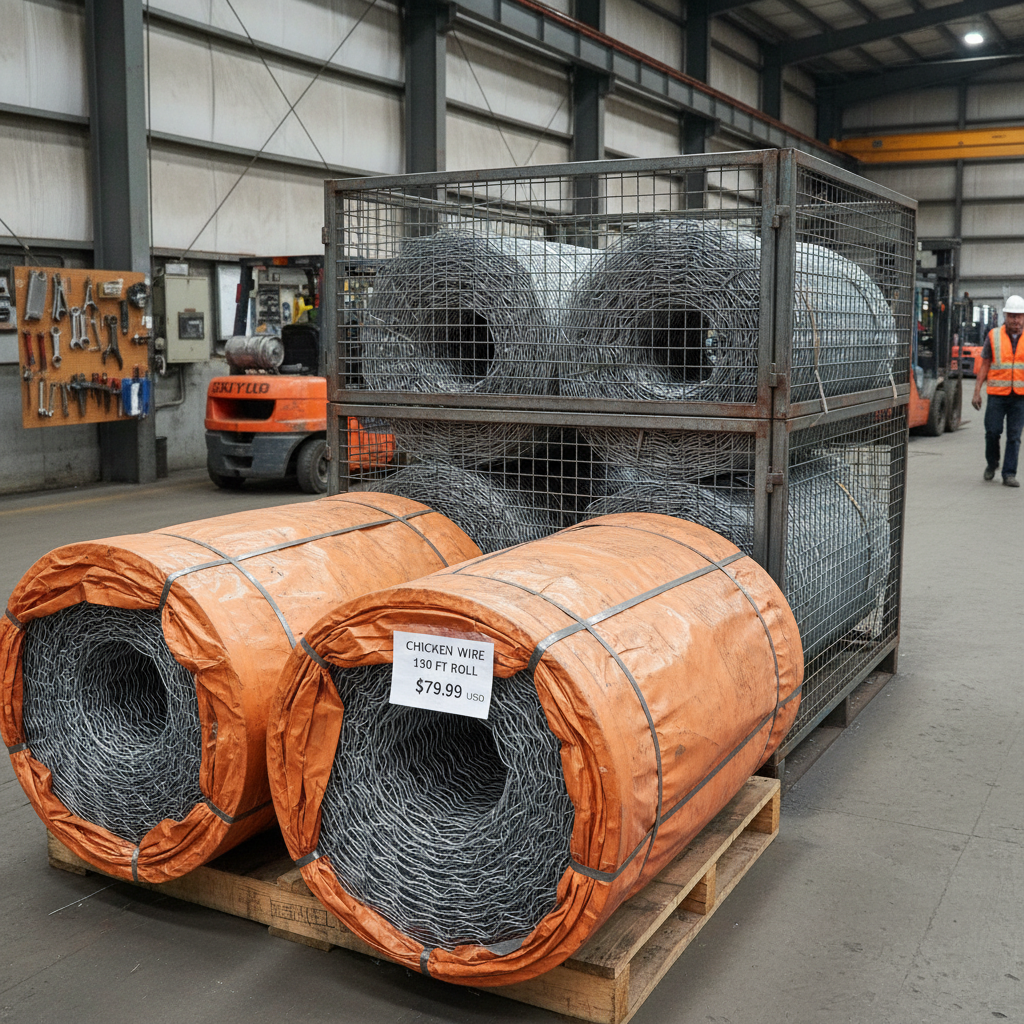
Several factors determine the price of chicken wire. The gauge (wire thickness) plays a significant role; heavier gauges are more durable but also more expensive. The mesh size (opening size) also affects cost – smaller mesh is generally pricier due to increased material usage. Furthermore, the roll length and width directly impact the overall price. The material—galvanized steel, PVC-coated steel, or stainless steel—also varies in cost, with stainless steel being the most expensive due to its superior corrosion resistance. Finally, the supplier and quantity purchased can influence the price; bulk purchases typically receive discounted rates.
Key Takeaway: Price depends on gauge, mesh size, roll size, material, and supplier.
Typical Chicken Wire Cost Per Roll Breakdown
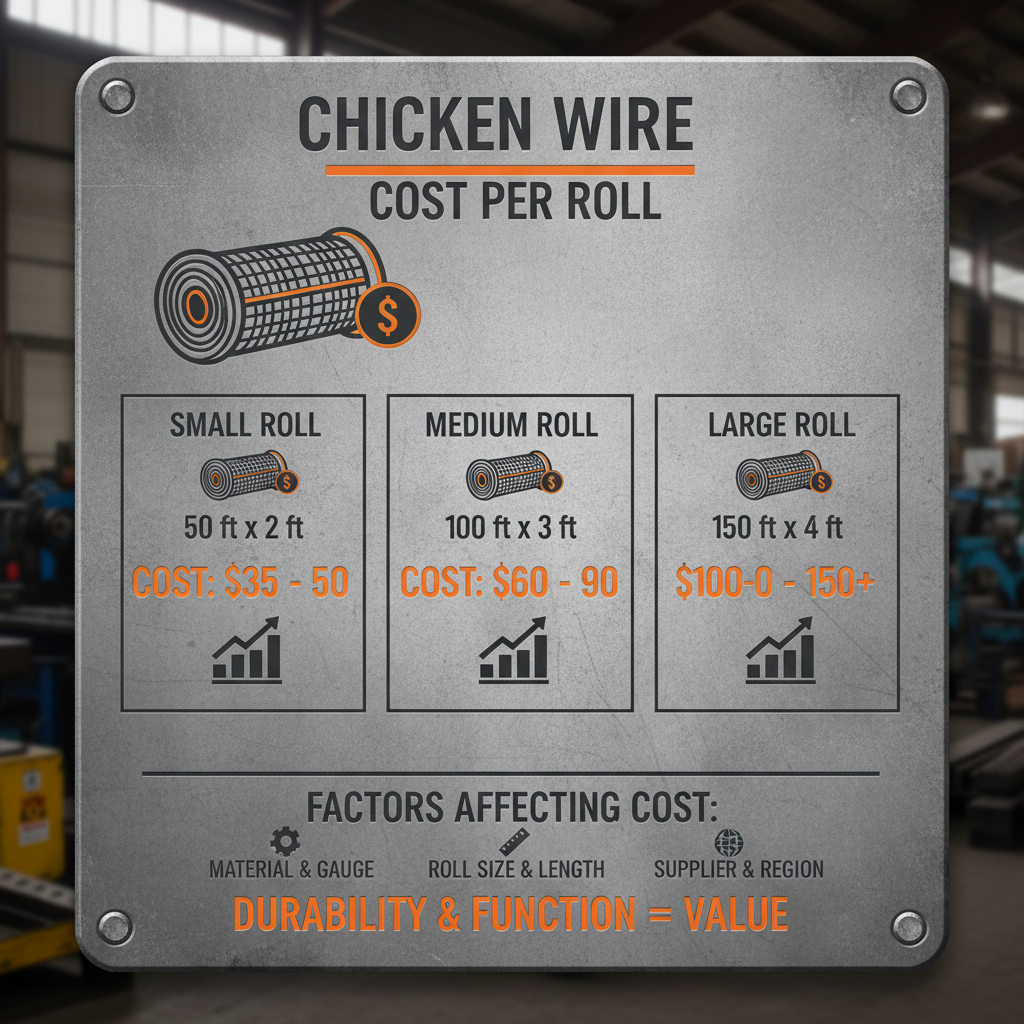
Let’s break down the typical costs for different types of chicken wire. Prices can fluctuate based on market conditions and supplier. These are estimates as of late 2023/early 2024. Remember to always verify current pricing with suppliers like Peiling Tech.
Comparing Material Costs
The material of your chicken wire significantly impacts the overall cost. Galvanized steel offers a balance of affordability and durability, making it a popular choice for general use. PVC-coated steel provides enhanced corrosion resistance and is ideal for environments with high moisture. Stainless steel, although the most expensive, offers superior durability and is recommended for applications where longevity and resistance to rust are paramount. Consider your environment and long-term needs when selecting a material.
Where to Buy Chicken Wire and Get the Best Deals
You can purchase chicken wire from various sources, including hardware stores, farm supply stores, and online retailers. Buying in bulk often yields significant discounts. Comparing prices from different suppliers is essential to secure the best deal. Peiling Tech offers competitive pricing and a wide selection of chicken wire options. Look for promotions and seasonal sales to save even more.
Tips for Saving Money on Chicken Wire
To minimize your chicken wire costs, consider these tips: Buy in bulk when possible. Compare prices from multiple suppliers. Choose the appropriate gauge for your application—avoid overspending on heavier gauges if not necessary. Look for sales and promotions. Finally, calculate the exact amount needed to avoid purchasing excess material. Planning carefully can lead to substantial savings.
Conclusion: Making Informed Choices
Understanding the chicken wire cost per roll requires considering various factors – from gauge and material to roll size and supplier. By carefully assessing your needs and comparing options, you can find the best quality chicken wire at the most competitive price. Investing in the right materials ensures a durable and effective solution for your project.
Frequently Asked Questions (FAQs)
What gauge of chicken wire is best for containing chickens?
For containing chickens, 19 or 20 gauge galvanized steel chicken wire is generally recommended. These gauges provide a good balance of strength and affordability. However, if you are dealing with larger breeds or have concerns about predators, 16 gauge is a more secure option, though more expensive. Ensure the mesh size is small enough to prevent chicks from escaping. Consider adding a layer of hardware cloth at the bottom of the enclosure to deter digging predators. Remember to regularly inspect the wire for any damage or weaknesses.
How much chicken wire do I need for a 50ft x 50ft garden?
To calculate the amount of chicken wire needed, you first need to determine the perimeter of the garden. A 50ft x 50ft garden has a perimeter of 200ft (2 x 50ft + 2 x 50ft). You’ll need at least 200 feet of chicken wire. However, it's always wise to add extra for overlapping sections, posts, and any necessary adjustments. Adding 10-20% extra is a good practice, meaning you should purchase approximately 220-240ft of chicken wire. The height of the fence will also impact the total square footage required.
Is PVC-coated chicken wire worth the extra cost?
PVC-coated chicken wire is worth the extra cost if you live in a humid or corrosive environment. The PVC coating provides excellent protection against rust and corrosion, extending the lifespan of the wire significantly. While more expensive upfront, it can save you money in the long run by reducing the need for frequent replacements. It’s also a good choice for applications where aesthetics are important, as the PVC coating is available in various colors.
How do I properly install chicken wire to prevent sagging?
To prevent sagging, use sturdy posts spaced no more than 8-10 feet apart. Secure the chicken wire to the posts with staples, ensuring they are evenly spaced. Consider using a tension wire along the top and bottom of the fence to provide additional support. Properly stretching the wire during installation is crucial; a wire stretcher can be helpful for this. For longer runs, consider using intermediate posts for added stability. Regularly inspect the wire and tighten it as needed to maintain tension.
-
Complete Guide to Choosing a Durable 4 foot wire fence rollNewsApr.16,2026
-
Guide to Choosing the Best Square Wire Fencing Roll for SecurityNewsApr.16,2026
-
High Quality Steel Welded Wire Rolled Fencing for Secure BoundariesNewsApr.16,2026
-
High Quality Black Fence Roll for Secure and Discreet PerimeterNewsApr.16,2026
-
Ultimate Guide to Temporary Fence Roll for Site Security and SafetyNewsApr.16,2026
-
High Quality Garden Mesh Roll Guide for Protecting Green SpaceNewsApr.09,2026