-

-
 Whatsapp:+86 17732187393
 -


Comprehensive Guide to Choosing Welded Wire Fence Panels for Dogs
Choosing the Right Welded Wire Fence Panels for Dogs: A Comprehensive Guide
Ensuring the safety and containment of your canine companion requires a reliable and durable fencing solution. Welded wire fence panels for dogs are a popular choice, offering excellent visibility, security, and longevity. This guide will explore the key factors to consider when selecting the perfect fencing for your furry friend, covering everything from wire gauge and panel height to coating options and installation considerations. We'll help you navigate the options and choose a fence that provides a secure and happy environment for your dog. Explore our range of high-quality panels at Peiling Tech.
Understanding the Key Features of Welded Wire Dog Fence Panels
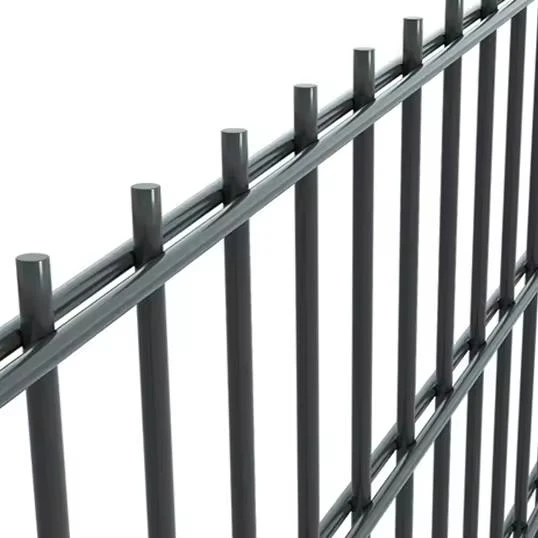
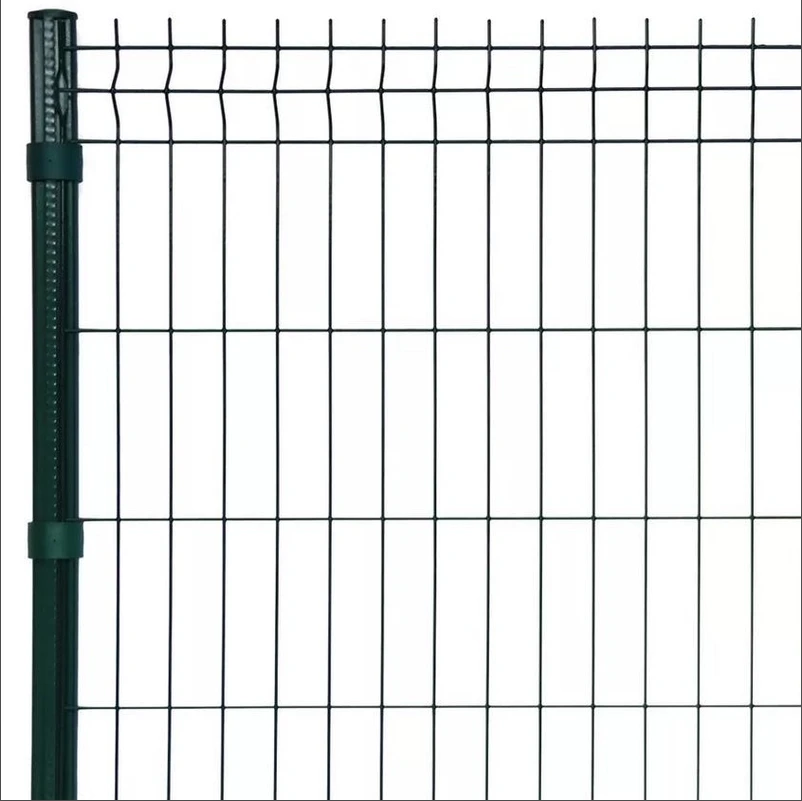
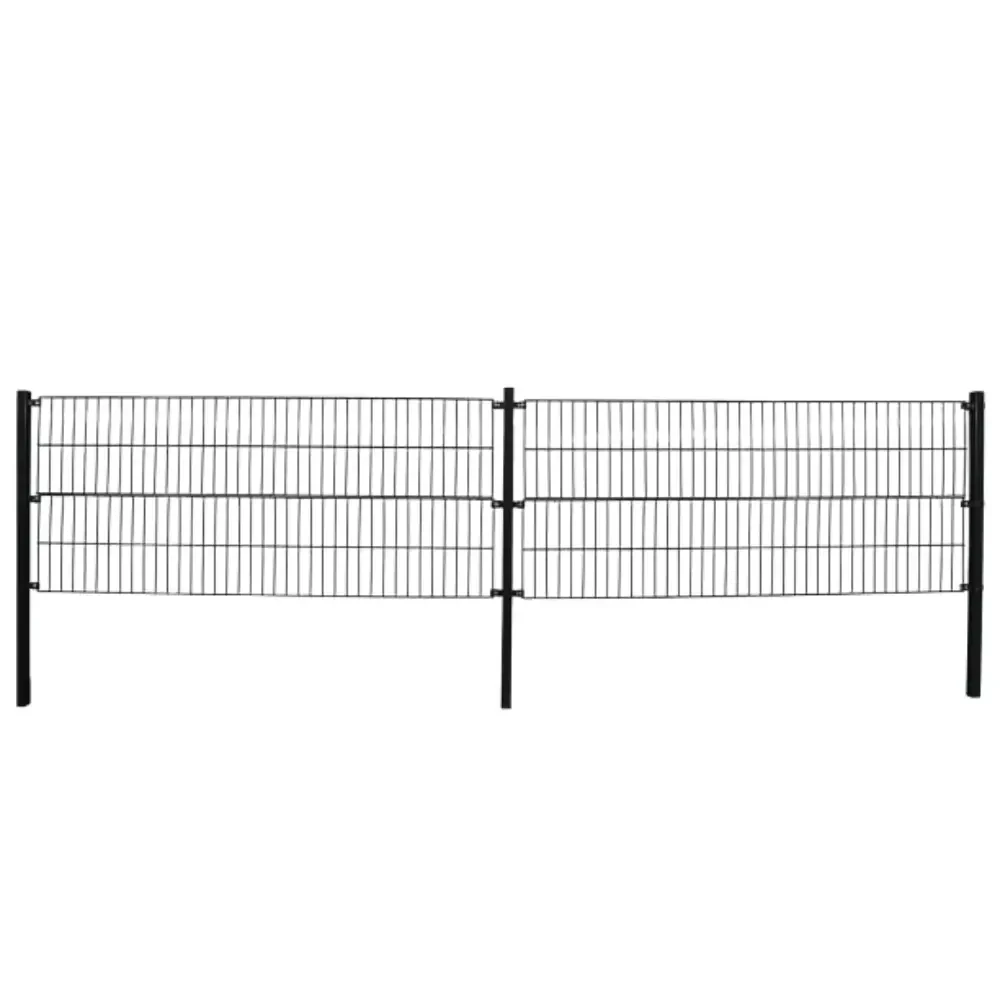
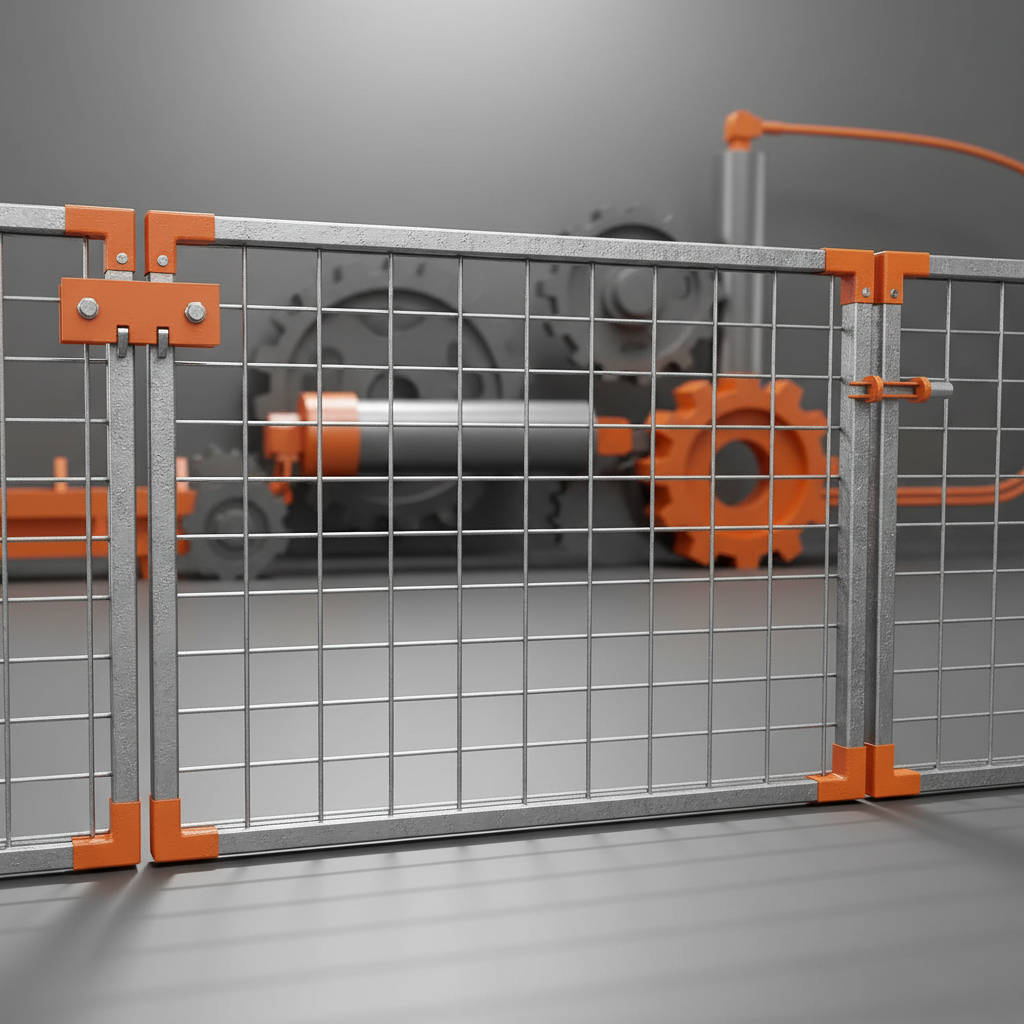
Welded wire fence panels consist of a series of wires welded together to form a rigid mesh. Several critical features determine their suitability for dog containment. These include the wire gauge (thickness), mesh size (spacing between wires), panel height, and coating type. Thicker wire gauges offer greater strength and durability, resisting bending or breaking from determined dogs. Smaller mesh sizes are crucial for preventing escapes, especially for smaller breeds or puppies. Panel height should be chosen based on your dog's size and jumping ability. Finally, coatings like galvanized or powder-coated steel provide corrosion resistance and prolong the fence’s lifespan. Peiling Tech offers a variety of panel options to meet different needs.
Key Considerations: Wire gauge, mesh size, panel height, and coating all contribute to the strength, security, and longevity of your dog fence.
Choosing the Right Wire Gauge: Strength and Durability
The wire gauge is a critical factor in determining the strength and durability of your welded wire fence panels for dogs. Lower gauge numbers indicate thicker wires. For larger, more active dogs, a heavier gauge wire (e.g., 6-gauge or 8-gauge) is highly recommended. Smaller dogs may be adequately contained with a lighter gauge wire (e.g., 10-gauge or 12-gauge). However, even with smaller dogs, a thicker gauge provides added peace of mind and longevity. Consider the potential for your dog to lean against or attempt to climb the fence when making your decision. The higher the gauge number, the less durable it will be.
Wire Gauge Guide:
• 6-Gauge: Excellent for large, powerful dogs.
• 8-Gauge: Good for medium to large dogs.
• 10-Gauge: Suitable for smaller dogs and less active breeds.
• 12-Gauge: Best for small breeds and low-energy dogs.
Mesh Size vs. Dog Breed: Preventing Escapes with Welded Wire Fence Panels
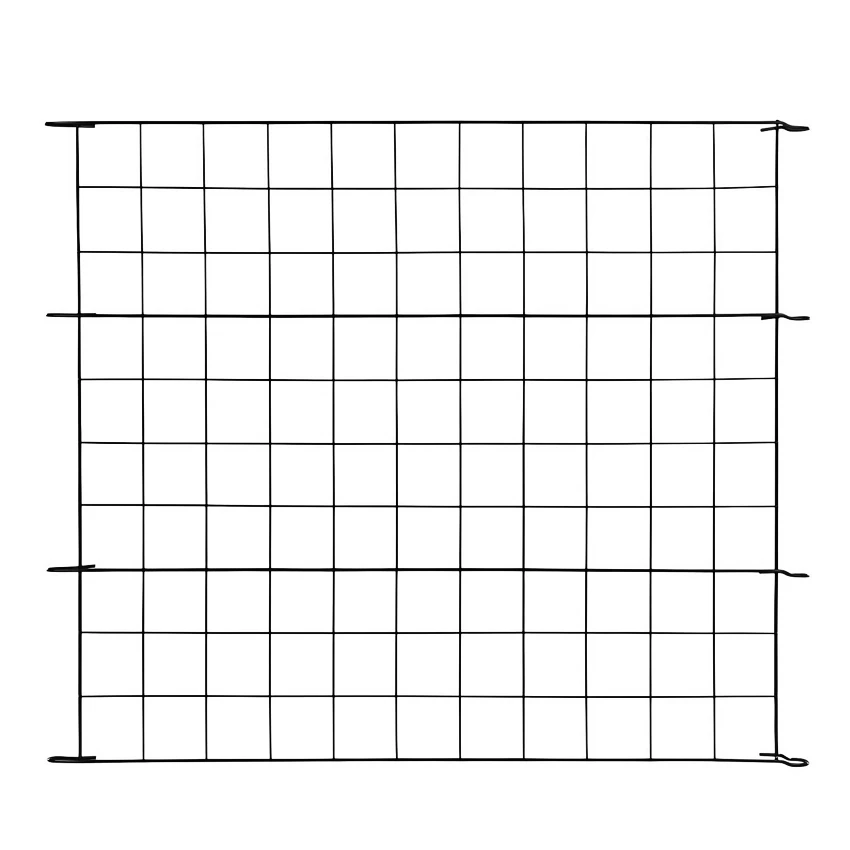
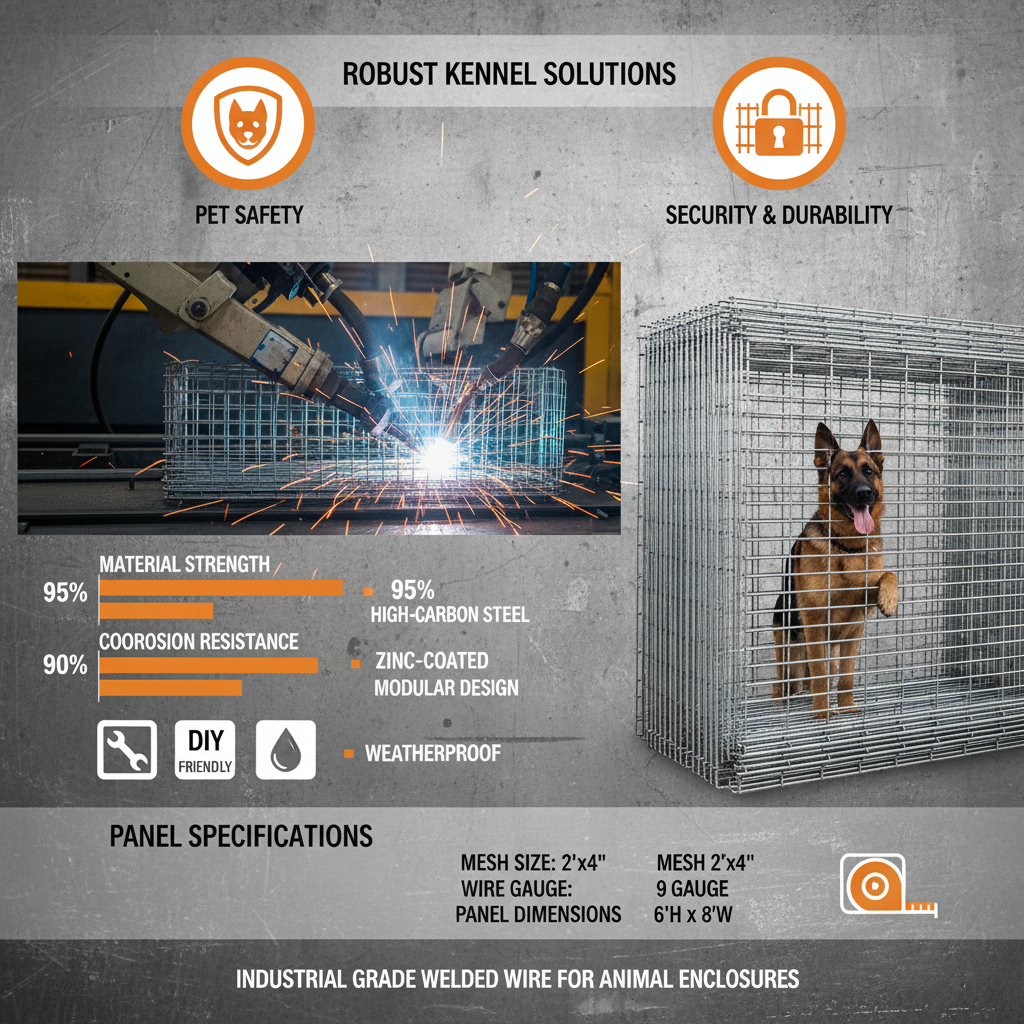
The mesh size (the spacing between the wires) is another crucial consideration. Smaller mesh sizes are essential for preventing escapes, particularly for smaller dogs, puppies, or breeds prone to squeezing through gaps. A 2" x 4" or 1" x 4" mesh is generally recommended for most dogs. Larger breeds with less inclination to squeeze through gaps might be contained with a 4" x 6" mesh, but this carries a higher risk of escape. Carefully evaluate your dog's breed characteristics and behavior when choosing the appropriate mesh size. You can explore various mesh sizes available at Peiling Tech.
Panel Height and Coating: Finalizing Your Fence Selection
Panel height should be determined by your dog's jumping ability. A general rule of thumb is to add 6-12 inches to your dog’s shoulder height. For determined jumpers, opting for a taller panel is always a safer bet. Regarding coatings, galvanized steel provides basic corrosion resistance. However, powder-coated finishes offer superior protection against rust and weathering, extending the life of your fence. Peiling Tech offers a range of coating options to suit different climates and budgets.
Conclusion: Choosing the Best Welded Wire Fence for Your Dog
Selecting the right welded wire fence panels for dogs is a critical investment in your pet’s safety and your peace of mind. By carefully considering wire gauge, mesh size, panel height, and coating options, you can create a secure and comfortable enclosure for your furry friend. Explore the wide range of quality panels available at Peiling Tech and find the perfect fencing solution to meet your specific needs.
Frequently Asked Questions (FAQs)
What is the typical lifespan of a welded wire dog fence panel?
The lifespan of a welded wire dog fence panel typically ranges from 10 to 20 years, depending on the quality of the materials, the coating applied, and environmental conditions. Galvanized steel panels generally last around 10-15 years, while powder-coated panels can last up to 20 years or longer. Factors like exposure to salt air, harsh chemicals, and extreme weather can accelerate corrosion and reduce the lifespan. Regular inspection and maintenance, such as cleaning and touch-up painting, can help prolong the fence's life. Choosing high-quality panels from a reputable supplier like Peiling Tech ensures a durable and long-lasting fencing solution.
How do I install welded wire fence panels for dogs?
Installing welded wire fence panels typically involves setting posts (wood or metal) at regular intervals, attaching the panels to the posts using wire ties or clips, and ensuring the fence is properly tensioned. It's crucial to dig post holes deep enough to provide stability and use concrete to secure the posts. It’s also important to ensure the bottom of the fence is close to the ground to prevent digging. For longer fences, consider using tension bars to maintain consistent tension. If you're not comfortable with DIY projects, it’s best to hire a professional fence installer. Resources and guidance can also be found on Peiling Tech’s website.
Can I add a digging guard to my welded wire fence?
Yes, adding a digging guard is a great way to prevent determined dogs from escaping under the fence. Common options include burying hardware cloth or wire mesh horizontally along the base of the fence, extending it outwards to create a barrier. Alternatively, you can install a concrete curb or use large rocks to block digging attempts. Another option is to install an "L" footer, which is buried wire mesh bent to create an "L" shape, extending underground and outward. Peiling Tech can advise on the best methods for adding a digging guard to your fence.
-
Complete Guide to Choosing a Durable 4 foot wire fence rollNewsApr.16,2026
-
Guide to Choosing the Best Square Wire Fencing Roll for SecurityNewsApr.16,2026
-
High Quality Steel Welded Wire Rolled Fencing for Secure BoundariesNewsApr.16,2026
-
High Quality Black Fence Roll for Secure and Discreet PerimeterNewsApr.16,2026
-
Ultimate Guide to Temporary Fence Roll for Site Security and SafetyNewsApr.16,2026
-
High Quality Garden Mesh Roll Guide for Protecting Green SpaceNewsApr.09,2026