-

-
 Whatsapp:+86 17732187393
 -


Comprehensive Guide to Garden Wire Panels for Beautiful Outdoor Spaces
Garden Wire Panels: A Comprehensive Guide
Garden wire panels are a versatile and increasingly popular solution for creating beautiful and functional outdoor spaces. From supporting climbing plants to defining garden borders, these panels offer a range of benefits for both home gardeners and professional landscapers. This article will explore the various types of garden wire panels, their applications, installation tips, and factors to consider when making a purchase. We'll cover everything you need to know to enhance your garden with these practical and aesthetically pleasing elements.
Understanding the Different Types of Garden Wire Panels
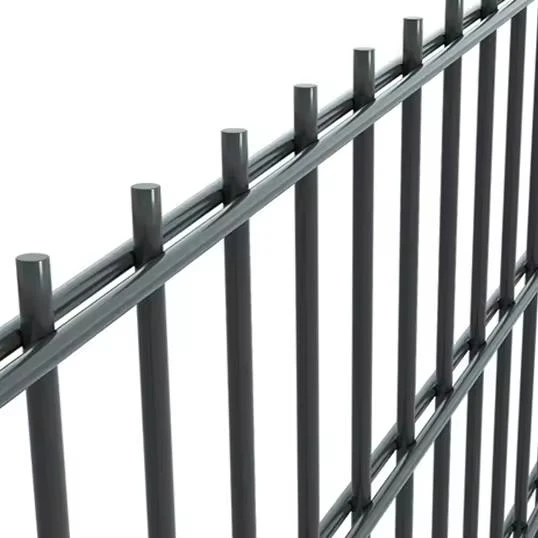
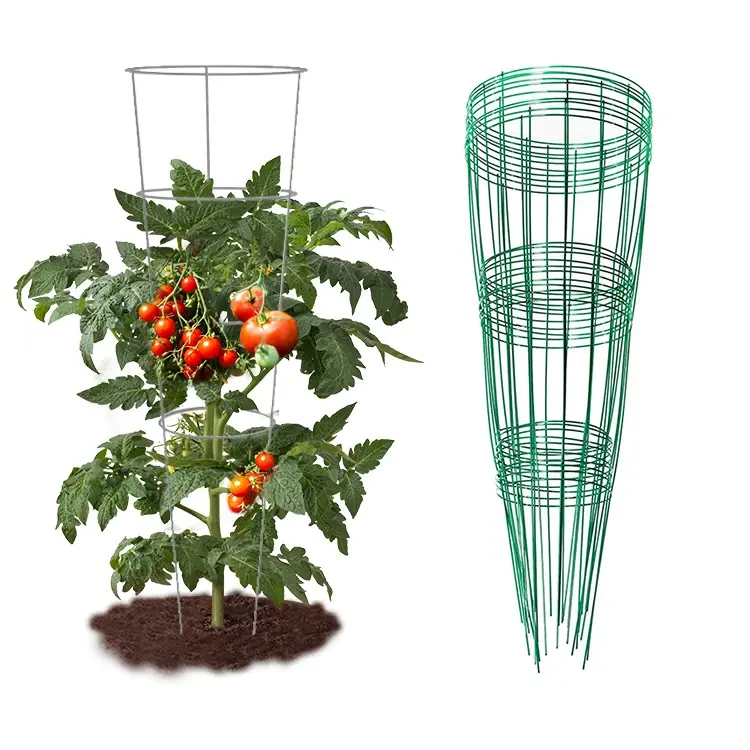
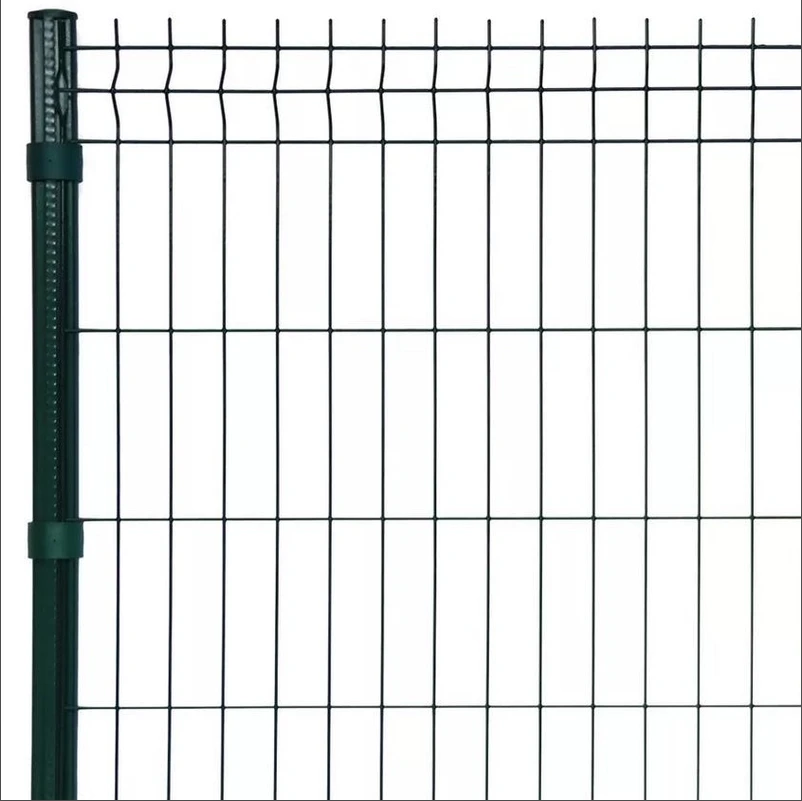
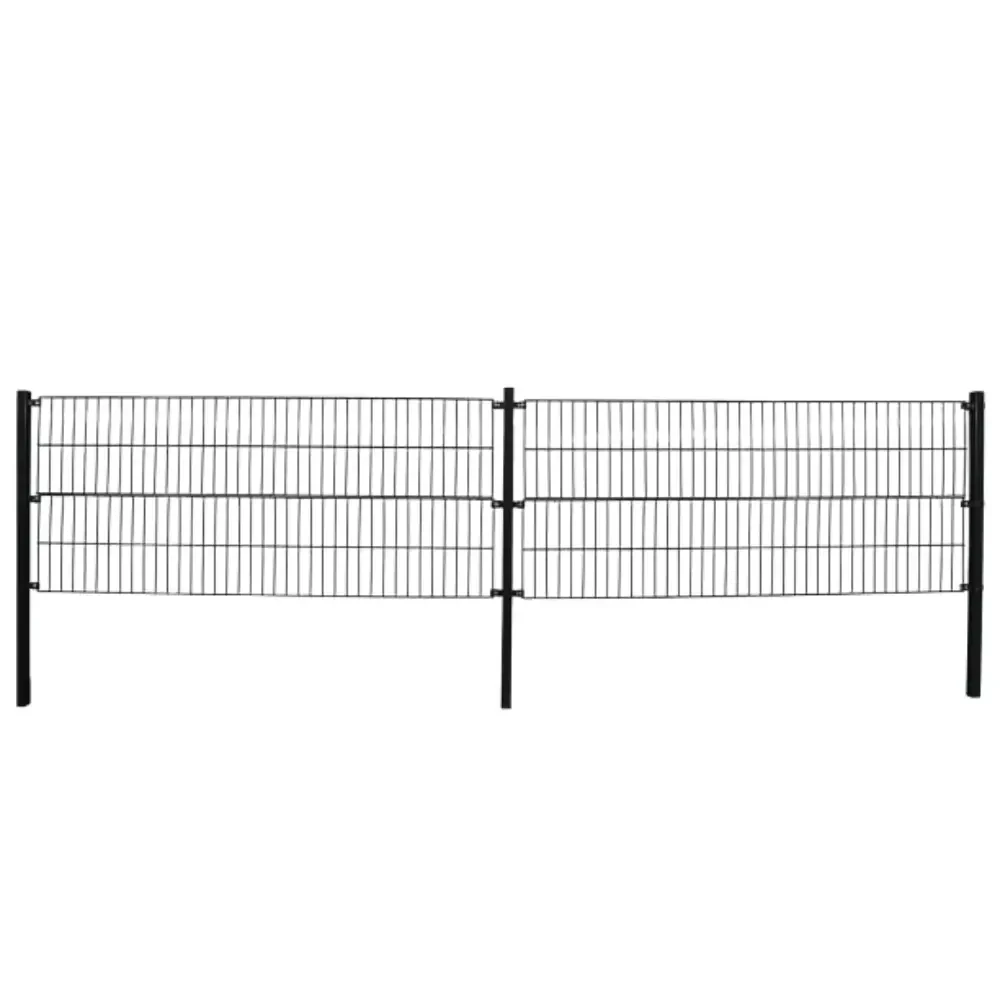
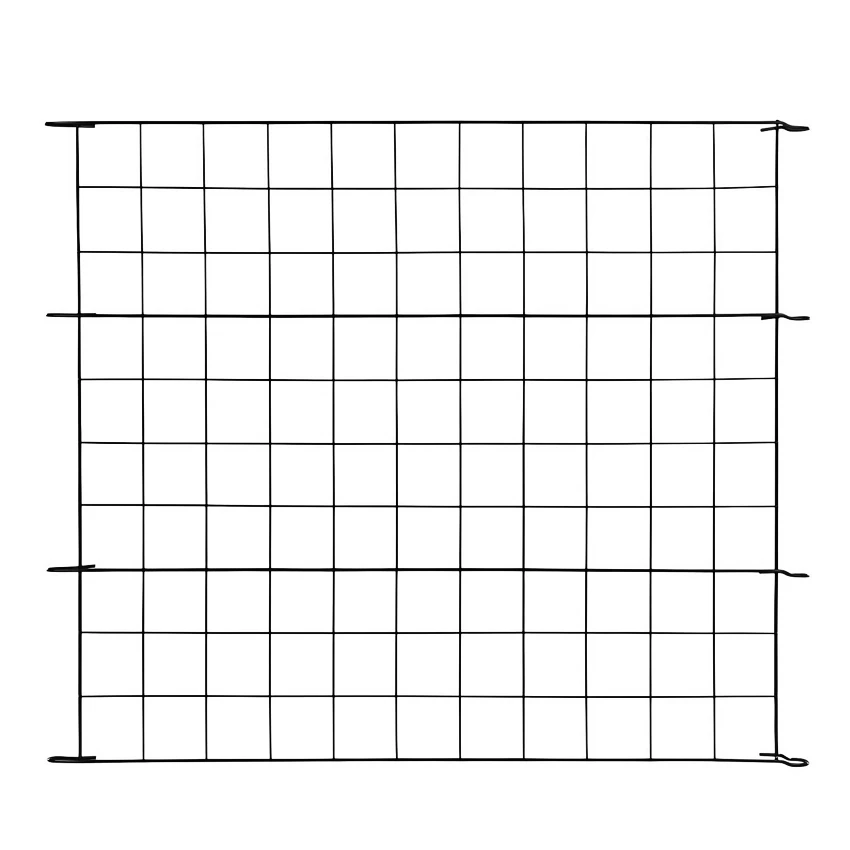
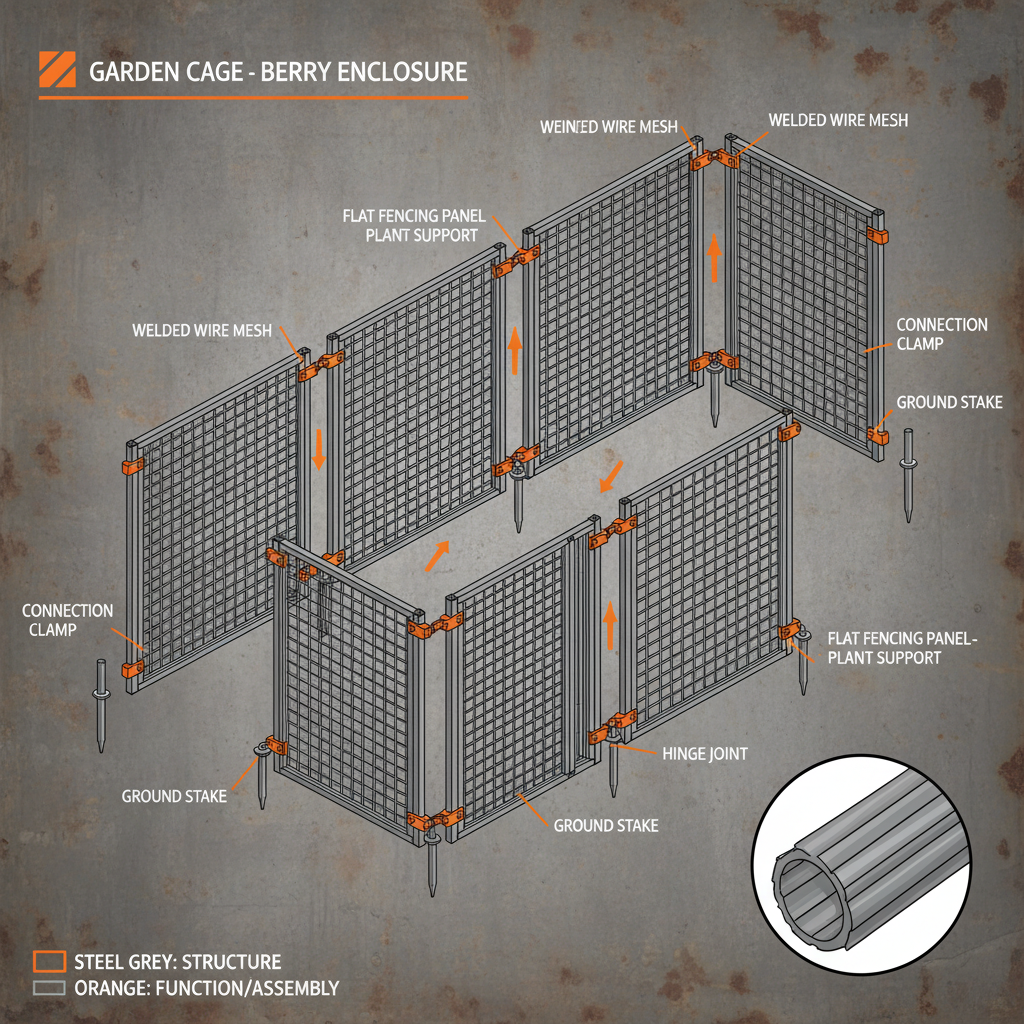
Garden wire panels come in a variety of materials and designs. The most common types include welded wire panels, chicken wire, and decorative wire mesh. Welded wire panels offer robust support for climbing plants and are ideal for creating strong garden structures. Chicken wire is a lighter-weight option often used for protecting plants from animals. Decorative wire mesh provides a visually appealing element, adding a touch of elegance to any garden. The choice of material depends on the specific application and desired aesthetic. Consider the weight of the plants you intend to support and the level of security required. Peilingtech offers a wide variety of these panels to suit any need.
Key Highlights: Versatile solutions for supporting plants, creating garden structures, and adding aesthetic appeal to outdoor spaces.
Applications of Garden Wire Panels
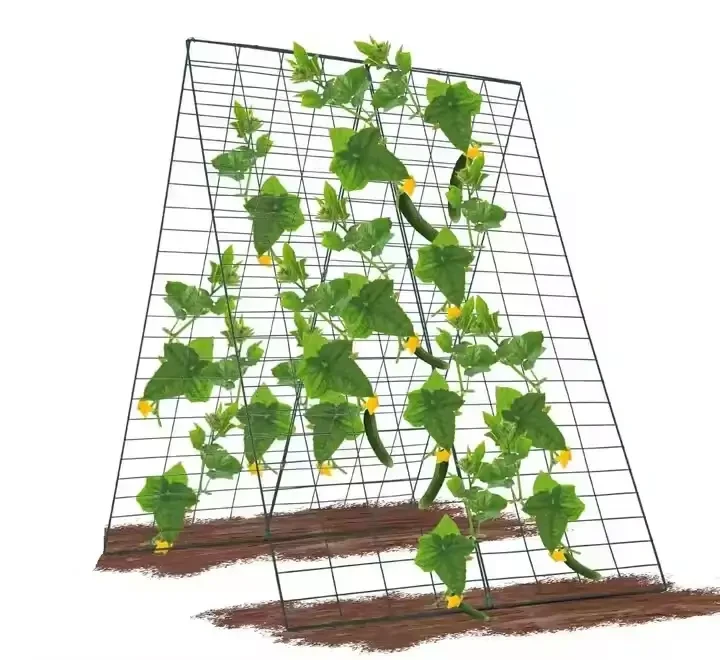
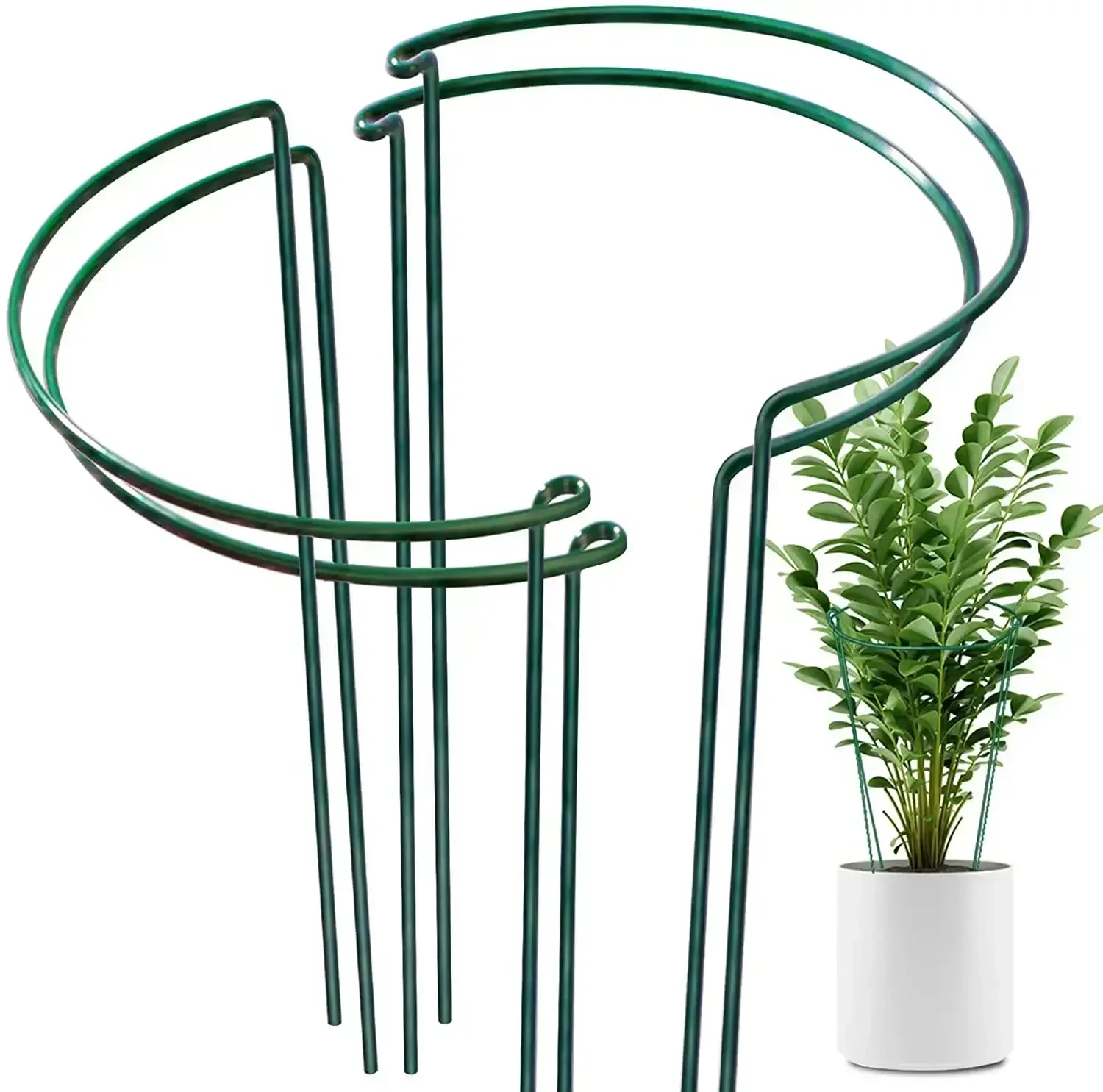
The applications for garden wire panels are remarkably diverse. They're frequently used to create supports for climbing plants like roses, clematis, and ivy, allowing them to grow vertically and add visual interest. Panels can also be used to construct garden beds, define borders, and even build small animal enclosures. In urban gardens, they can transform a blank wall into a living green space. Moreover, wire panels are an excellent choice for creating espaliered fruit trees, a traditional gardening technique that maximizes fruit production in limited spaces. They can also be incorporated into decorative garden screens for privacy or to break up large areas.
Application Benefits:
• Supports climbing plants
• Defines garden borders
• Creates small animal enclosures
• Transforms blank walls into living green spaces
Garden Wire Panels: Comparing Materials and Costs
Choosing the right material involves considering both cost and durability. Welded wire panels are generally the most expensive but offer the highest strength and longevity. Chicken wire is the most affordable option but requires more frequent replacement. Decorative wire mesh falls somewhere in between, offering a balance of aesthetics and durability. The gauge (thickness) of the wire also impacts the price; heavier gauge wire is more expensive but provides greater support. Peilingtech's product range caters to a variety of budgets and needs.
Note: Prices are approximate and vary by size and supplier.Installation Tips for Garden Wire Panels
Installing garden wire panels is generally a straightforward process. Start by securing sturdy posts – wooden or metal – into the ground at regular intervals. The spacing between posts will depend on the weight of the plants you plan to support. Attach the wire panels to the posts using galvanized wire, zip ties, or screws. Ensure the panels are taut and securely fastened to prevent sagging. For climbing plants, consider providing additional support, especially during their initial growth stages. Regularly inspect the installation to ensure it remains stable and secure. Remember to wear gloves and safety glasses during installation.
Choosing the Right Garden Wire Panel: Key Considerations
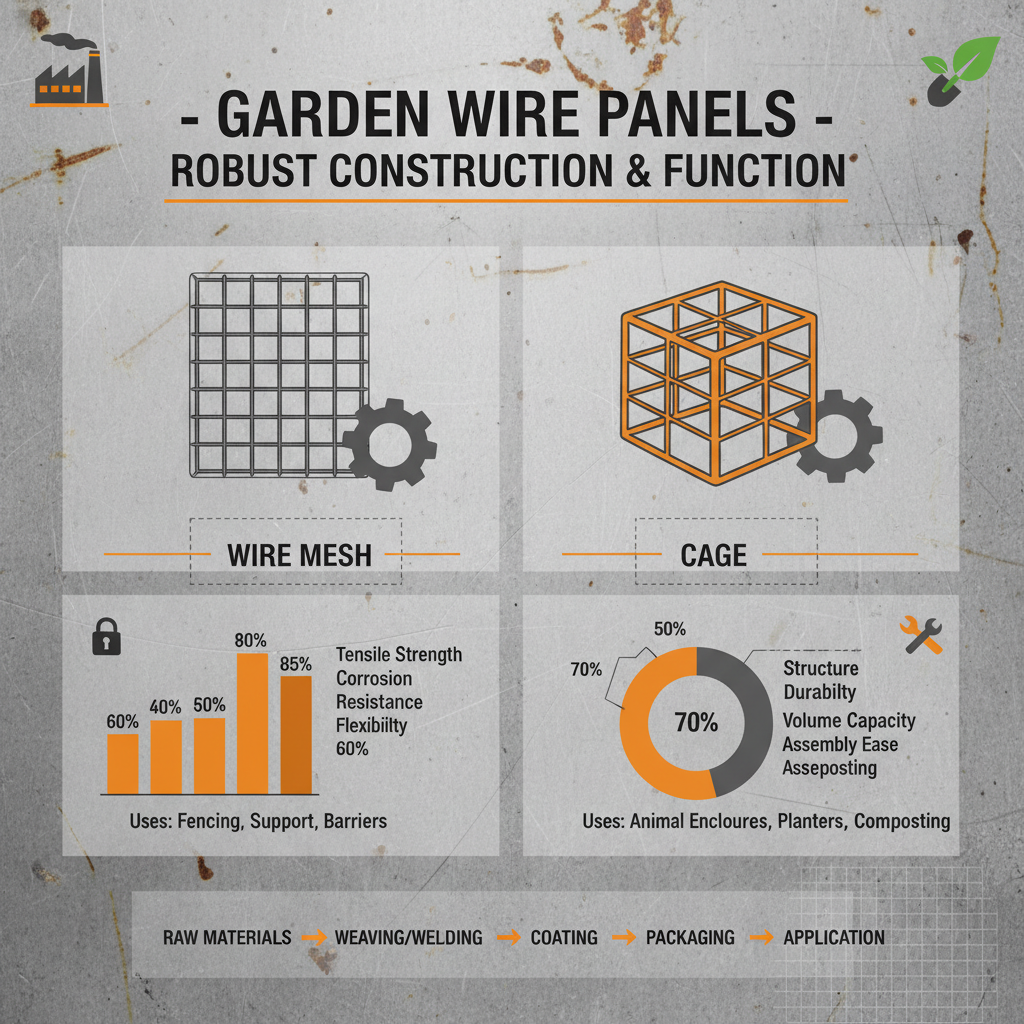
When selecting garden wire panels, several factors should be taken into account. Consider the type of plants you'll be supporting – heavier plants require stronger panels. Think about the overall aesthetic you're trying to achieve and choose a material and design that complements your garden style. Assess the environmental conditions – if you live in a coastal area, choose corrosion-resistant materials. Don't forget to measure the area where you'll be installing the panels to ensure you purchase the correct size. Finally, always opt for high-quality panels from a reputable supplier like Peilingtech to ensure durability and long-lasting performance.
Conclusion: Enhance Your Garden with Wire Panels
Garden wire panels are an affordable and effective way to add structure, support, and beauty to any outdoor space. By understanding the different types, applications, and installation techniques, you can create a garden that is both functional and aesthetically pleasing. Invest in quality panels from a trusted supplier like Peilingtech, and enjoy a thriving garden for years to come.
Frequently Asked Questions (FAQs)
What is the best wire panel for supporting heavy climbing plants?
For heavy climbing plants like wisteria or mature grape vines, welded wire panels with a thick gauge (e.g., 14 gauge or lower) are the most suitable choice. These panels provide the necessary strength and rigidity to support substantial weight without sagging or bending. Ensure the posts supporting the panels are also robust and securely anchored in the ground. Consider adding horizontal supports between the posts for extra stability.
How can I protect wire panels from rust?
Rust is a common concern, especially in humid or coastal environments. To protect your wire panels, opt for galvanized steel or powder-coated options. Galvanization provides a zinc coating that resists corrosion. Powder coating creates a durable, protective layer. Regularly inspect the panels for any signs of rust and apply a rust-inhibiting paint or sealant as needed. Avoid using harsh chemicals or abrasive cleaners that could damage the protective coating.
Are garden wire panels safe for use around pets and children?
While generally safe, it's important to exercise caution. Chicken wire can have sharp edges, so ensure any exposed edges are covered or smoothed. Avoid using panels with large openings that could pose an entanglement hazard for small pets or children. Regularly inspect the panels for any damage or loose wires. Proper installation and maintenance are key to ensuring safety.
What is the best way to attach climbing plants to wire panels?
Use plant ties, garden twine, or clips designed for climbing plants. Avoid using wire directly around the stems, as this can restrict growth and cause damage. Gently guide the plant's tendrils or stems through the openings in the wire panel. For heavier plants, provide additional support with plant stakes or trellises.
-
Complete Guide to Choosing a Durable 4 foot wire fence rollNewsApr.16,2026
-
Guide to Choosing the Best Square Wire Fencing Roll for SecurityNewsApr.16,2026
-
High Quality Steel Welded Wire Rolled Fencing for Secure BoundariesNewsApr.16,2026
-
High Quality Black Fence Roll for Secure and Discreet PerimeterNewsApr.16,2026
-
Ultimate Guide to Temporary Fence Roll for Site Security and SafetyNewsApr.16,2026
-
High Quality Garden Mesh Roll Guide for Protecting Green SpaceNewsApr.09,2026