-

-
 Whatsapp:+86 17732187393
 -


Find High Quality Chain Link Fence Rolls for Sale and Installation Guides
Chain Link Fence Rolls for Sale: A Comprehensive Guide
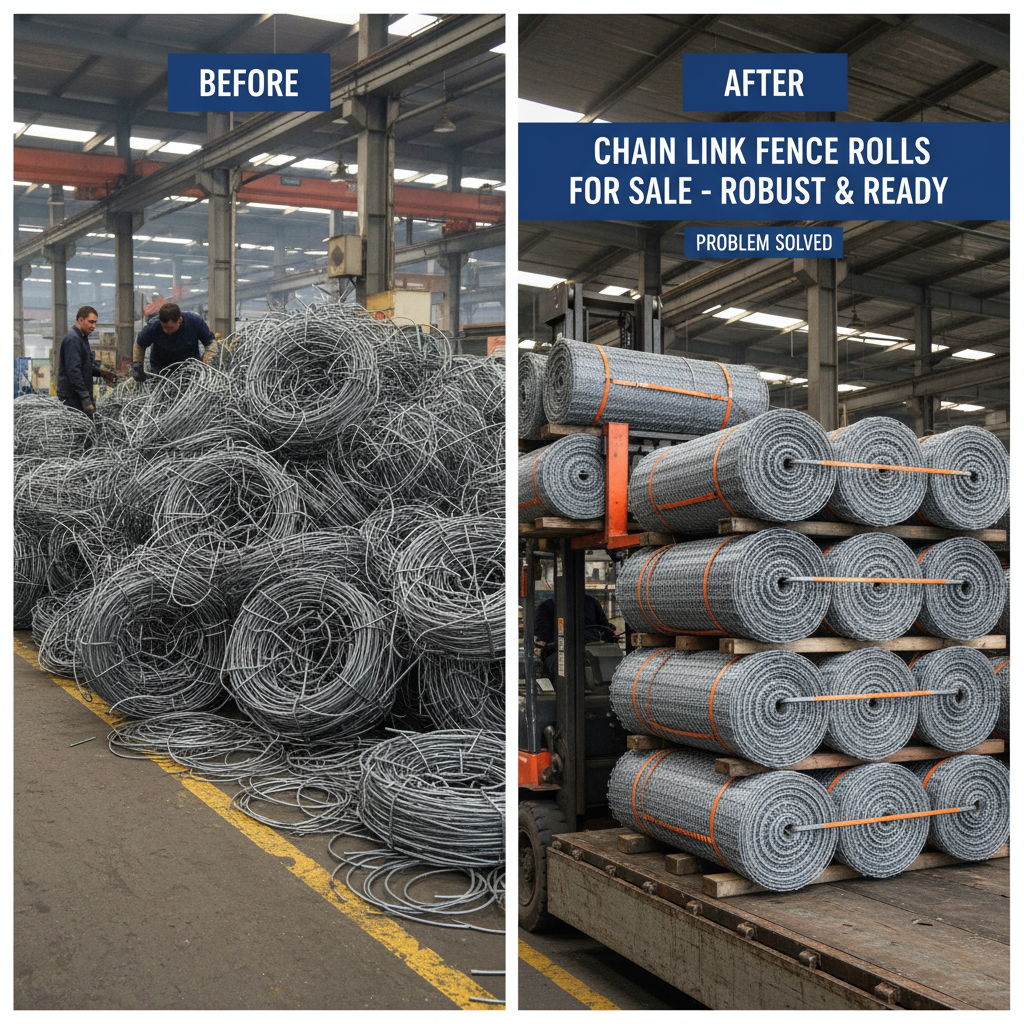
When securing your property, few options offer the blend of security, durability, and cost-effectiveness like a chain link fence. This guide will explore everything you need to know about chain link fence rolls for sale, from selecting the right gauge and height to understanding installation considerations. We’ll cover different types of coatings, common uses, and how to get the best value for your investment. Whether you're enclosing a backyard, securing a commercial property, or creating a pet enclosure, we'll provide the insights you need to make an informed decision.
Understanding Chain Link Fence Gauges and Heights
The gauge of the chain link fabric refers to its thickness – lower numbers indicate thicker, more durable wire. Common gauges range from 6 to 15. For residential applications, a 9-gauge or 11-gauge is generally sufficient. Commercial and high-security applications often require 6 or 8-gauge chain link. Height is another crucial factor. Typical residential heights range from 4ft to 6ft, while commercial properties might use 6ft, 8ft, or even higher. Selecting the appropriate gauge and height depends on your security needs, local regulations, and budget. Peiling Tech offers a wide range of gauges and heights to meet diverse requirements.
Key Highlights: Lower gauge numbers equal thicker, stronger wire. Height should be determined by security needs and local regulations. We offer customized chain link solutions for every budget and requirement.
Coatings: Galvanized vs. Vinyl-Coated Chain Link
Chain link fence rolls come with different coatings to enhance durability and aesthetics. Galvanized chain link is coated with zinc to resist rust and corrosion. It’s a cost-effective option suitable for many applications. However, vinyl-coated chain link offers superior protection against the elements and a more visually appealing finish. The vinyl coating comes in various colors, allowing you to customize the look of your fence. While more expensive than galvanized, vinyl-coated chain link provides long-lasting performance and reduces the need for maintenance. Explore Peiling Tech's coating options to find the perfect fit for your needs.
Coating Comparison:
• Galvanized: Cost-effective, good corrosion resistance.
• Vinyl-Coated: Superior corrosion resistance, aesthetic appeal, longer lifespan.
• Cost: Vinyl coated is generally more expensive
Choosing the Right Chain Link Fence Rolls for Sale: A Comparison
Selecting the right chain link fence roll involves considering several factors. The intended use, budget, and aesthetic preferences all play a role. Below is a comparison of common chain link options:
Applications for Chain Link Fencing: Residential & Commercial
Chain link fencing is incredibly versatile. Residential applications include securing backyards, creating pet enclosures, and providing privacy around pools. Commercially, it’s commonly used for perimeter security around industrial facilities, schools, and sports fields. It’s also a popular choice for temporary fencing at construction sites and events. The affordability and ease of installation make it a practical solution for a wide range of needs. Peiling Tech caters to both residential and commercial clients, offering tailored solutions for every application.
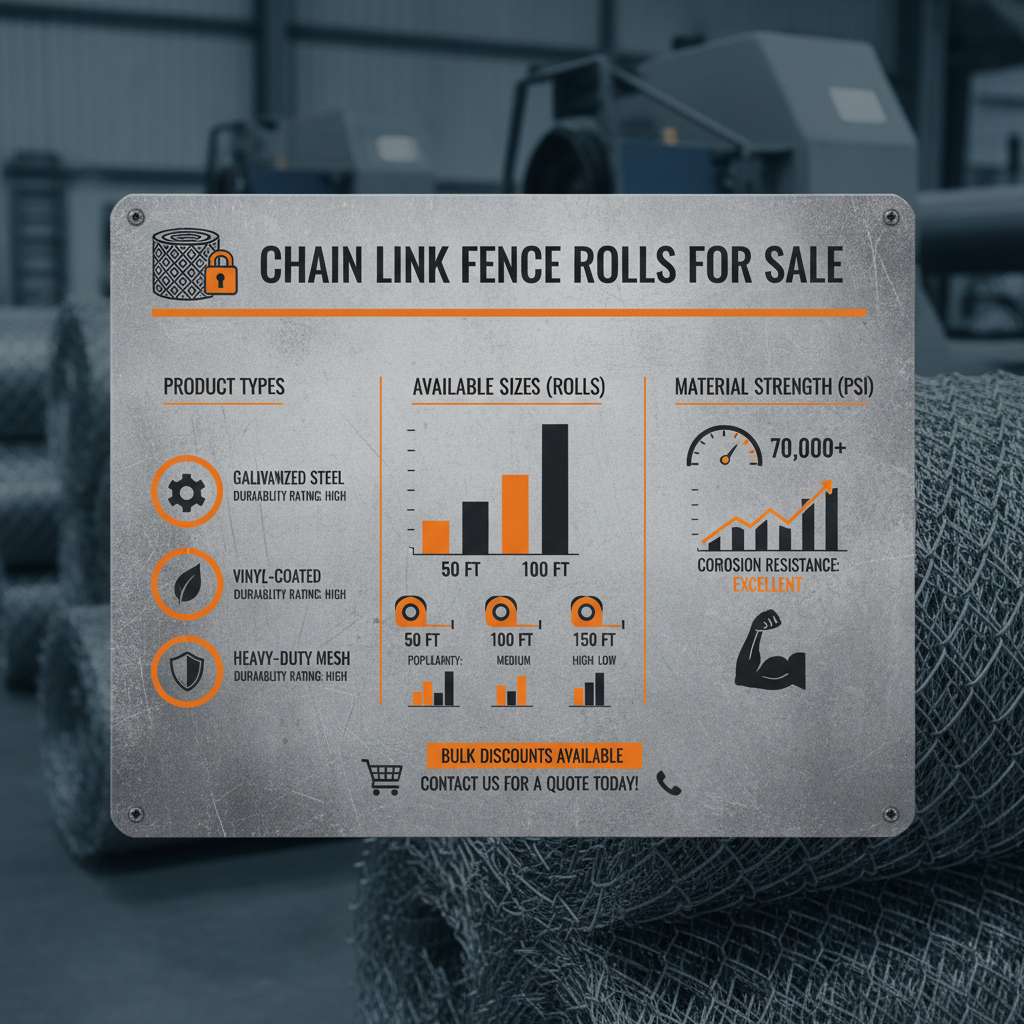
Product Specifications and Ordering Information
When ordering chain link fence rolls for sale, you’ll need to specify the gauge, height, length, and coating. We offer rolls typically ranging from 50ft to 100ft in length. Additionally, consider ordering the necessary accessories, such as tension bands, brace bands, and fittings, to ensure a complete installation. We offer competitive pricing and fast shipping on all our chain link fence products.
Conclusion: Secure Your Property with Quality Chain Link from Peiling Tech
Choosing the right chain link fence rolls for sale is a crucial investment in your property’s security and aesthetics. With a wide selection of gauges, heights, and coatings, Peiling Tech offers solutions for every need and budget. Contact us today to discuss your project and receive a personalized quote.
Frequently Asked Questions (FAQs)
What is the best way to prepare the ground for a chain link fence?
Proper ground preparation is essential for a long-lasting fence. Start by clearing the area of any vegetation, rocks, and debris. Mark the fence line accurately using stakes and string. Then, dig post holes to the appropriate depth (typically 2-3 feet, depending on local frost lines). Ensure the post holes are spaced evenly, typically 8-10 feet apart. Concrete is crucial to secure the posts, so pour concrete into each hole around the posts, ensuring they are plumb and level. Allow the concrete to cure completely before proceeding with the fence installation.
How long does it typically take to install a chain link fence?
The installation time varies depending on the length of the fence, the terrain, and the experience of the installer. A typical residential fence project, around 100-200 feet, can take 2-3 days to complete. Commercial projects, or those with complex terrain, may take longer. Factors like digging post holes, setting posts in concrete, and stretching the chain link fabric all contribute to the overall installation time. Contact us at Peiling Tech for a time estimate based on your specific needs.
What maintenance is required for a chain link fence?
Chain link fences are relatively low-maintenance, but regular inspection is key. Periodically check for any broken or loose links, and repair them promptly. Galvanized fences should be inspected for rust and may require occasional painting or coating. Vinyl-coated fences require minimal maintenance, but the coating should be checked for any damage or cracks. Keep the area around the fence clear of vegetation to prevent it from growing through the links and potentially compromising the fence's integrity.
Can I install a chain link fence myself, or should I hire a professional?
While it's possible to install a chain link fence yourself, it’s a physically demanding project that requires some DIY experience and the right tools. Incorrect installation can lead to instability and compromise the fence’s security. Hiring a professional installer ensures the job is done correctly and efficiently. Peiling Tech can provide recommendations for qualified installers in your area.
-
Complete Guide to Choosing a Durable 4 foot wire fence rollNewsApr.16,2026
-
Guide to Choosing the Best Square Wire Fencing Roll for SecurityNewsApr.16,2026
-
High Quality Steel Welded Wire Rolled Fencing for Secure BoundariesNewsApr.16,2026
-
High Quality Black Fence Roll for Secure and Discreet PerimeterNewsApr.16,2026
-
Ultimate Guide to Temporary Fence Roll for Site Security and SafetyNewsApr.16,2026
-
High Quality Garden Mesh Roll Guide for Protecting Green SpaceNewsApr.09,2026