-

-
 Whatsapp:+86 17732187393
 -


Understanding the Cost of a Roll of Chain Link Fence for Your Property
Understanding the Cost of a Roll of Chain Link Fence
When securing your property, chain link fence is a popular and cost-effective solution. But what exactly does a roll of chain link fence cost? The price can vary significantly based on several factors, including height, gauge (thickness of the wire), coating, and the length of the roll. This article will break down the typical costs associated with a roll of chain link fence, providing a comprehensive guide for homeowners and contractors alike. Understanding these variables will help you budget accurately and choose the right fencing for your needs. We’ll cover common materials, sizes, and associated expenses to give you a clear picture of the overall investment.
Factors Influencing the Cost of Chain Link Fence
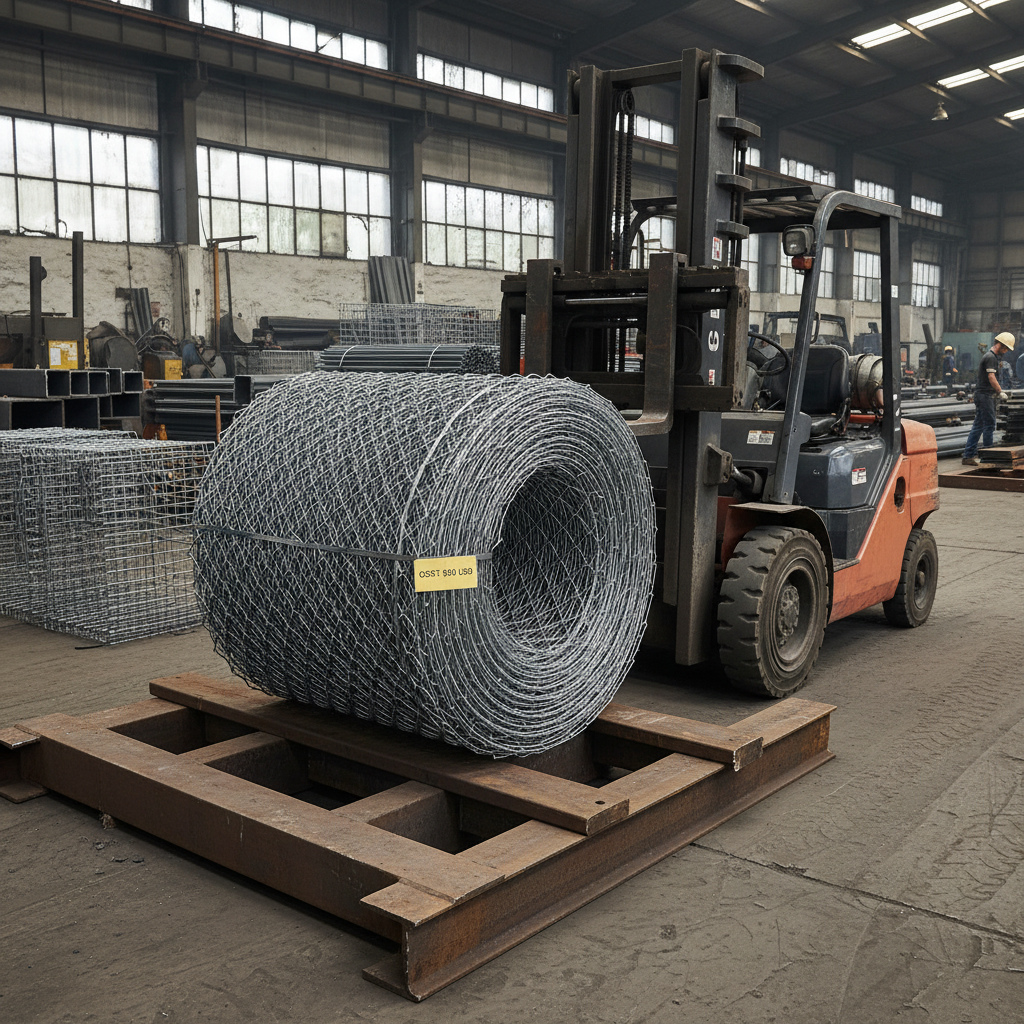
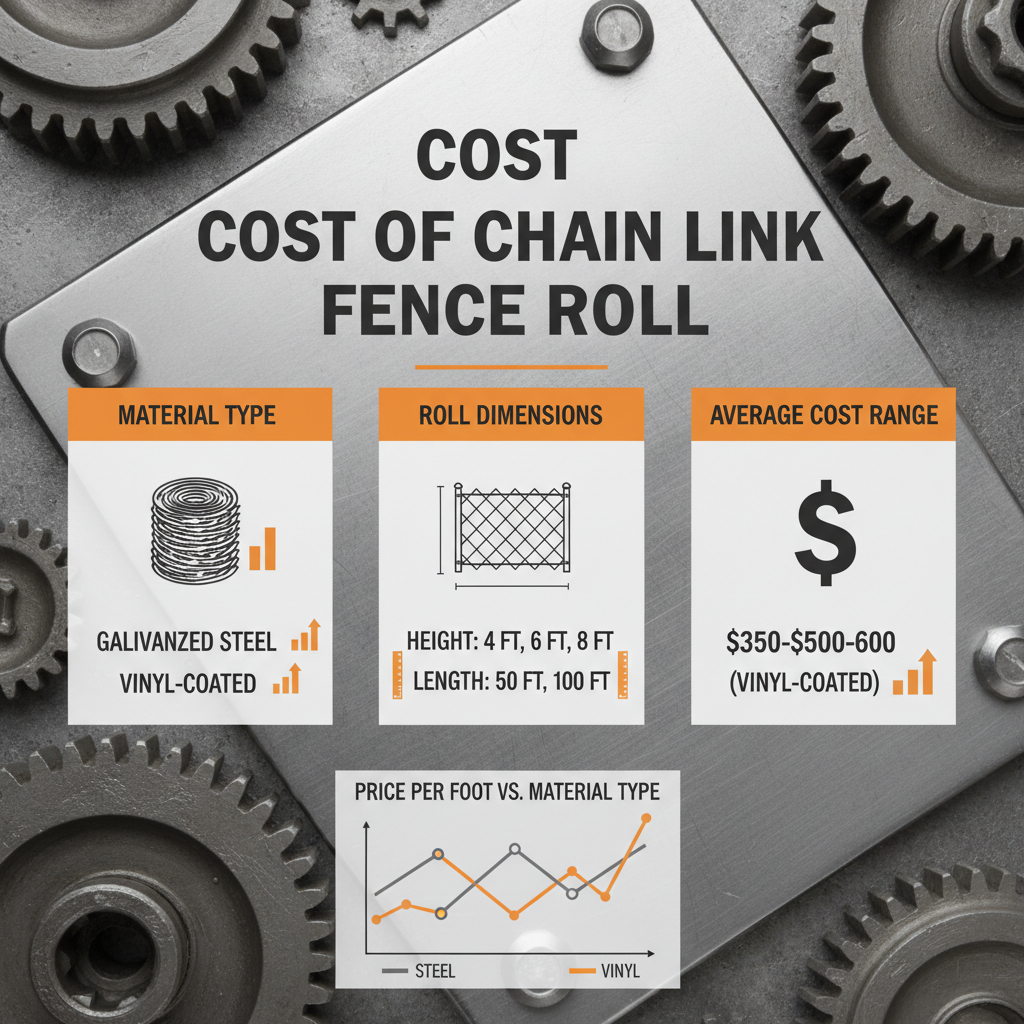
Several key factors determine the price of a chain link fence roll. The most significant is the height of the fence. Taller fences naturally require more material, leading to higher costs. Next is the wire gauge; lower gauge numbers indicate thicker wire, which is more durable but also more expensive. The coating also plays a role. Galvanized steel is the standard and most affordable, while vinyl-coated chain link offers added corrosion resistance and aesthetic appeal at a higher price. Finally, the length of the roll can impact the per-foot cost – larger rolls often offer better value. At Peiling Tech we provide chain link fence rolls of varying sizes and coatings to meet every customer's need.
Key Takeaway: Height, gauge, coating, and roll length are the primary drivers of chain link fence cost. Considering these factors will help you make an informed decision.
Typical Cost Ranges by Height and Gauge
Here's a breakdown of typical cost ranges for common chain link fence heights and gauges. These prices are approximate and can vary based on location, supplier, and market conditions. Costs are generally per roll (typically 50ft or 100ft). Remember to factor in the cost of posts, top rail, fittings, and installation when calculating the total fencing project cost.
Impact of Coating on Cost: Galvanized vs. Vinyl-Coated
The coating on your chain link fence significantly impacts both its lifespan and its price. Galvanized steel, with its zinc coating, is the most common and affordable option. It provides good corrosion resistance. However, vinyl-coated chain link offers superior protection against rust and the elements, along with a more aesthetically pleasing appearance. Generally, vinyl-coated chain link can cost 20-50% more than galvanized steel. The initial investment is higher, but the increased durability can lead to long-term savings. Choosing the right coating depends on your environment and aesthetic preferences.
Coating Comparison:
• Galvanized: Cost-effective, good corrosion resistance.
• Vinyl-Coated: Superior corrosion resistance, aesthetically pleasing, higher cost.
The Cost of Additional Materials & Installation
The cost of the chain link fabric is only part of the overall expense. You'll also need to budget for posts (line posts, corner posts, and gate posts), top rail, tension wire, bands, brace bands, and gate hardware. Installation costs can vary significantly depending on the complexity of the project and local labor rates. DIY installation can save money, but requires time, effort, and the right tools. Professional installation ensures the fence is properly installed and secure. On average, installation can add 30-50% to the total cost of the project. Peiling Tech offers fencing materials and can also connect you with trusted installers.
Conclusion: Planning Your Chain Link Fence Budget
Determining the cost of a roll of chain link fence involves considering several variables. By understanding the impact of height, gauge, coating, and additional materials, you can create a realistic budget for your fencing project. Remember to factor in installation costs, whether you plan to DIY or hire a professional. At Peiling Tech, we’re committed to providing high-quality chain link fencing materials at competitive prices. Contact us today for a quote and expert advice.
Frequently Asked Questions (FAQs)
What is the typical lifespan of a chain link fence?
The lifespan of a chain link fence varies depending on the coating and environmental conditions. Galvanized steel fences typically last 10-20 years with minimal maintenance. Vinyl-coated chain link can last 20-30 years or even longer, as the vinyl provides superior protection against rust and corrosion. Regular inspections and occasional cleaning can help extend the lifespan of your fence. Avoiding contact with harsh chemicals and saltwater is also recommended. Proper installation, using quality components from a reputable supplier like Peiling Tech, contributes significantly to longevity.
How much does professional installation typically cost?
Professional installation costs vary depending on location, the complexity of the project (terrain, obstacles), and the installer’s rates. Generally, you can expect installation to add 30-50% to the total cost of materials. Some installers charge by the foot, while others provide a flat rate. Getting quotes from multiple installers is essential to ensure you’re getting a fair price. Factors affecting the cost include the number of gates, the height of the fence, and any necessary site preparation.
What gauge chain link is best for security?
For maximum security, a lower gauge chain link is recommended. 9-gauge chain link is the most durable and difficult to cut, making it ideal for high-security applications. While more expensive than higher-gauge options, the added security is often worth the investment. 11.5-gauge is a good balance of security and cost for many residential applications. 14-gauge is the most affordable but offers the least security and is best suited for decorative or boundary fencing where security is less of a concern.
-
Complete Guide to Choosing a Durable 4 foot wire fence rollNewsApr.16,2026
-
Guide to Choosing the Best Square Wire Fencing Roll for SecurityNewsApr.16,2026
-
High Quality Steel Welded Wire Rolled Fencing for Secure BoundariesNewsApr.16,2026
-
High Quality Black Fence Roll for Secure and Discreet PerimeterNewsApr.16,2026
-
Ultimate Guide to Temporary Fence Roll for Site Security and SafetyNewsApr.16,2026
-
High Quality Garden Mesh Roll Guide for Protecting Green SpaceNewsApr.09,2026